Bringing Them Together
उन्हें साथ लाना
Mia brings Leo and Jack together, sets ground rules for a respectful conversation, and summarizes each person’s perspective neutrally. She checks that both feel accurately heard before they respond to one another.
मिया लियो और जैक को साथ बैठाती हैं, सम्मानजनक बातचीत के लिए कुछ बुनियादी नियम तय करती हैं और दोनों के नज़रिए को निष्पक्ष रूप से दोहराती हैं। जवाब देने से पहले वह यह पक्का करती हैं कि दोनों को लगे कि उनकी बात ठीक से समझी गई है।
संवाद11
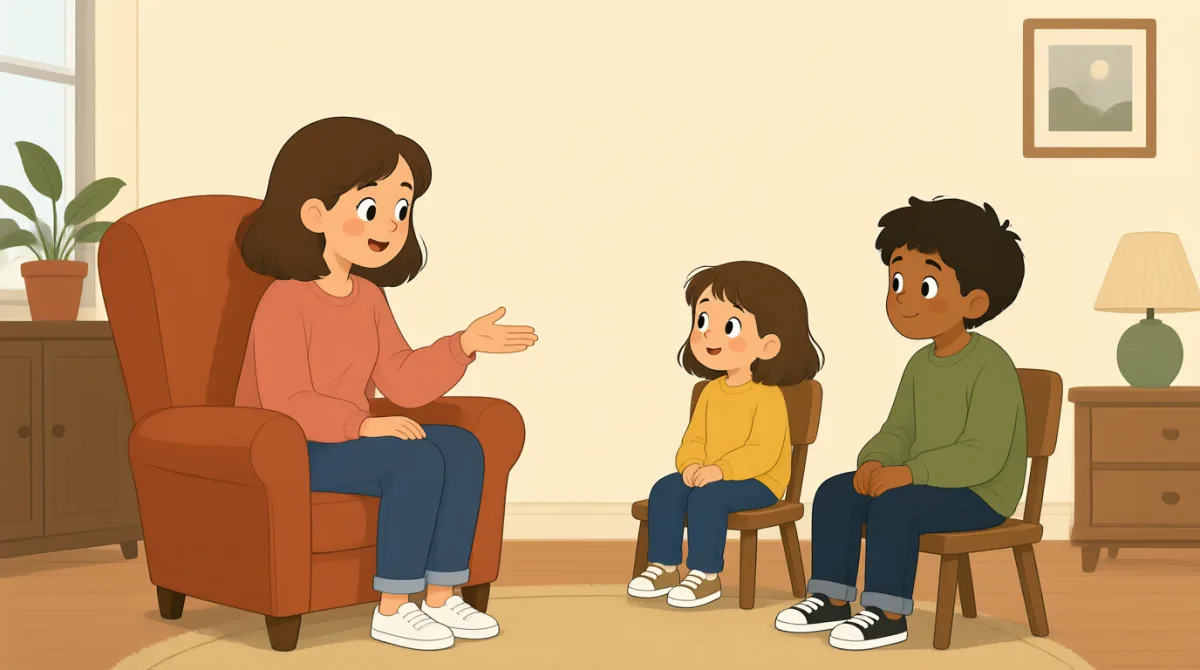

Thanks for meeting together. Before we begin, let’s agree on three ground rules: one person speaks at a time, we describe behavior rather than character, and we ask questions before drawing conclusions.
साथ मिलने के लिए धन्यवाद। शुरू करने से पहले, आइए तीन बुनियादी नियम तय कर लें: एक बार में एक ही व्यक्ति बोलेगा, हम व्यक्ति के स्वभाव पर नहीं बल्कि उसके व्यवहार पर बात करेंगे, और निष्कर्ष निकालने से पहले सवाल पूछेंगे।

That’s fair. I want to explain what happened, because from my perspective, Jack changed the handoff without telling me, then treated my concern as if I were being difficult.
यह ठीक है। मैं बताना चाहता हूँ कि क्या हुआ, क्योंकि मेरी नज़र से देखें तो जैक ने मुझे बताए बिना काम सौंपने का तरीका बदल दिया, फिर मेरी चिंता को ऐसे लिया जैसे मैं बेवजह मुश्किल खड़ी कर रहा हूँ।

I didn’t intend to dismiss him. I thought the deadline left us no choice, and I made a practical adjustment so the work wouldn’t stall.
मेरा उसे नज़रअंदाज़ करने का इरादा नहीं था। मुझे लगा कि समय-सीमा की वजह से हमारे पास कोई और रास्ता नहीं था, इसलिए मैंने काम रुकने से बचाने के लिए एक व्यावहारिक बदलाव किया।
Let me pause there. Leo, do you feel that summary captures your concern—that the change itself was difficult, but the lack of communication made it worse?
मैं ज़रा यहाँ रुकती हूँ। लियो, क्या आपको लगता है कि मेरी बात आपकी चिंता को सही तरह से समेटती है—कि बदलाव अपने आप में मुश्किल था, लेकिन इसकी जानकारी न दिए जाने से बात और बिगड़ गई?
Yes. I can adapt when circumstances change. What frustrated me was discovering the change afterward and being expected to absorb the consequences without any discussion.
हाँ। हालात बदलें तो मैं उनके मुताबिक ढल सकता हूँ। मुझे इस बात से परेशानी हुई कि मुझे बदलाव के बारे में बाद में पता चला और बिना किसी चर्चा के उसके नतीजे भुगतने की उम्मीद की गई।
Jack, is it accurate to say that you were focused on protecting the deadline, but you inferred that Leo would prefer speed over a conversation?
जैक, क्या यह कहना सही होगा कि आपका ध्यान समय-सीमा पूरी करने पर था, लेकिन आपने यह मान लिया कि लियो बातचीत करने के बजाय काम जल्दी पूरा करना पसंद करेगा?
That’s accurate, although I can see now that it was an assumption. I was under pressure, and I treated a judgment call as though it didn’t require coordination.
हाँ, यह सही है, हालाँकि अब समझ आता है कि मैंने यह बात मान ली थी। मुझ पर दबाव था और मैंने अपने विवेक से लिया गया फैसला ऐसे किया, जैसे उसके लिए तालमेल की ज़रूरत ही न हो।
I’m hearing two perspectives, not necessarily two incompatible goals. Leo needed visibility before the change affected his work; Jack needed enough discretion to respond quickly to a deadline.
मैं दो अलग नज़रिए सुन रही हूँ, ज़रूरी नहीं कि दो परस्पर-विरोधी लक्ष्य। बदलाव का असर उसके काम पर पड़ने से पहले लियो को इसकी जानकारी चाहिए थी; जैक को समय-सीमा के जवाब में जल्दी कदम उठाने की पर्याप्त स्वतंत्रता चाहिए थी।
That sounds right. I’m not asking Jack to seek approval for every decision. I need a reasonable chance to flag risks before a change becomes irreversible.
यह सही लगता है। मैं जैक से हर फैसले के लिए मंज़ूरी लेने को नहीं कह रहा हूँ। मुझे इतना उचित मौका चाहिए कि बदलाव को अंतिम रूप दिए जाने से पहले मैं संभावित जोखिम बता सकूँ।
And I’m not asking Leo to accept every decision silently. I need him to recognize that sometimes a quick adjustment is necessary, even if the communication isn’t perfect.
और मैं लियो से यह नहीं कह रहा कि वह हर फैसले को चुपचाप स्वीकार कर ले। मैं चाहता हूँ कि वह समझे कि कभी-कभी जल्दी बदलाव करना ज़रूरी होता है, भले ही जानकारी देने का तरीका पूरी तरह सही न हो।
Do you both agree that this is an accurate, neutral account of where things stand? If so, we can move from proving who was right to deciding what would make the next handoff workable.
क्या आप दोनों सहमत हैं कि मैंने मौजूदा स्थिति का सही और निष्पक्ष ब्यौरा दिया है? अगर हाँ, तो हम यह साबित करने के बजाय कि कौन सही था, इस पर ध्यान दे सकते हैं कि अगली बार काम सौंपने का तरीका कैसे बेहतर बनाया जाए।
शब्दावली8
- ground rulesबुनियादी नियम
Basic rules that everyone agrees to follow during a discussion. Here, they create a respectful and orderly conversation.
वे बुनियादी नियम जिनका पालन करने के लिए चर्चा में शामिल सभी लोग सहमत हों। यहाँ, इनसे बातचीत सम्मानजनक और व्यवस्थित रहती है।
- from my perspectiveमेरी नज़र से
A phrase used to introduce how a situation looks or feels to you. It signals that this is your viewpoint, not necessarily an objective fact.
यह वाक्यांश बताता है कि कोई स्थिति आपको कैसी दिखती या महसूस होती है। इससे पता चलता है कि आप अपना नज़रिया बता रहे हैं, ज़रूरी नहीं कि कोई निर्विवाद तथ्य।
- absorb the consequencesनतीजे भुगतना
To deal with the results or negative effects of something. Leo feels he had to handle the effects of a change he did not help decide.
किसी बात के परिणामों या बुरे असर से निपटना। लियो को लगता है कि उसे ऐसे बदलाव के असर संभालने पड़े, जिसके फैसले में उसकी कोई भूमिका नहीं थी।
- a judgment callअपने विवेक से लिया गया फैसला
A decision based on personal assessment rather than a clear rule or complete information. Jack recognizes that this kind of decision may still require coordination.
ऐसा फैसला जो किसी स्पष्ट नियम या पूरी जानकारी के बजाय व्यक्ति के अपने आकलन पर आधारित हो। जैक समझता है कि ऐसे फैसले के लिए भी तालमेल की ज़रूरत हो सकती है।
- under pressureदबाव में
In a stressful situation with limited time or difficult demands. Jack explains that pressure influenced his decision-making.
ऐसी तनावपूर्ण स्थिति में होना जहाँ समय कम हो या माँगें कठिन हों। जैक बताता है कि दबाव ने उसके फैसले को प्रभावित किया।
- enough discretionपर्याप्त निर्णय-स्वतंत्रता
Sufficient freedom to make decisions independently. Jack wants to respond quickly without needing approval for every adjustment.
अपने दम पर फैसले लेने की पर्याप्त आज़ादी। जैक हर बदलाव के लिए मंज़ूरी माँगे बिना जल्दी कदम उठाना चाहता है।
- flag risksजोखिमों की ओर ध्यान दिलाना
To point out or draw attention to possible problems. Leo wants an opportunity to identify risks before a change becomes final.
संभावित समस्याओं को बताना या उन पर ध्यान दिलाना। लियो बदलाव को अंतिम रूप दिए जाने से पहले जोखिम पहचानने का मौका चाहता है।
- move from proving who was rightयह साबित करने से आगे बढ़ना कि कौन सही था
To stop arguing about blame and begin focusing on a practical solution. Mia uses this phrase to redirect the conversation toward future cooperation.
दोष किसका है, इस पर बहस रोककर व्यावहारिक समाधान पर ध्यान देना शुरू करना। मिया इस वाक्यांश का इस्तेमाल बातचीत को भविष्य में मिलकर काम करने की ओर मोड़ने के लिए करती हैं।
मुख्य वाक्य8
- 1
Before we begin, let’s agree on three ground rules: one person speaks at a time, we describe behavior rather than character, and we ask questions before drawing conclusions.
शुरू करने से पहले, आइए तीन बुनियादी नियम तय कर लें: एक बार में एक ही व्यक्ति बोलेगा, हम व्यक्ति के स्वभाव पर नहीं बल्कि उसके व्यवहार पर बात करेंगे, और निष्कर्ष निकालने से पहले सवाल पूछेंगे।
This is useful for establishing respectful discussion rules in a tense meeting. You can adapt it by replacing the rules with expectations appropriate to your situation.
तनावपूर्ण बैठक में सम्मानजनक बातचीत के नियम तय करने के लिए यह वाक्य उपयोगी है। आप अपनी स्थिति के मुताबिक अपेक्षाएँ रखकर इसमें बदलाव कर सकते हैं।
- 2
What frustrated me was discovering the change afterward and being expected to absorb the consequences without any discussion.
मुझे इस बात से परेशानी हुई कि मुझे बदलाव के बारे में बाद में पता चला और बिना किसी चर्चा के उसके नतीजे भुगतने की उम्मीद की गई।
This sentence clearly separates the triggering event from its emotional impact. Use “What frustrated me was…” to explain a problem without directly attacking someone’s character.
यह वाक्य उस घटना को उसके भावनात्मक असर से साफ़ तौर पर अलग करता है। किसी के स्वभाव पर सीधे हमला किए बिना समस्या बताने के लिए “What frustrated me was…” का इस्तेमाल करें।
- 3
I was under pressure, and I treated a judgment call as though it didn’t require coordination.
मुझ पर दबाव था और मैंने अपने विवेक से लिया गया फैसला ऐसे किया, जैसे उसके लिए तालमेल की ज़रूरत ही न हो।
This is a concise way to acknowledge responsibility while explaining the circumstances. It can be reused when admitting that a decision was made too independently.
परिस्थितियाँ बताते हुए अपनी ज़िम्मेदारी स्वीकार करने का यह एक संक्षिप्त तरीका है। जब आप मानना चाहें कि आपने कोई फैसला बहुत स्वतंत्र रूप से लिया, तो इसका फिर से इस्तेमाल कर सकते हैं।
- 4
I’m hearing two perspectives, not necessarily two incompatible goals.
मैं दो अलग नज़रिए सुन रही हूँ, ज़रूरी नहीं कि दो परस्पर-विरोधी लक्ष्य।
This sentence helps a mediator reframe conflict as a possible difference in approach rather than a fundamental opposition. It is useful when both sides may ultimately want the same outcome.
यह वाक्य मध्यस्थ को विवाद को बुनियादी विरोध के बजाय काम करने के तरीके में संभावित अंतर के रूप में देखने में मदद करता है। जब दोनों पक्ष आखिरकार एक ही नतीजा चाहते हों, तब यह उपयोगी है।
- 5
I’m not asking Jack to seek approval for every decision.
मैं जैक से हर फैसले के लिए मंज़ूरी लेने को नहीं कह रहा हूँ।
This structure makes a request sound reasonable by clarifying what you are not demanding. Replace the name and action to express limits without appearing controlling.
आप क्या नहीं माँग रहे हैं, यह स्पष्ट करके यह ढाँचा आपके अनुरोध को उचित बनाता है। दबाव डालने वाला लगे बिना अपनी सीमाएँ बताने के लिए नाम और कार्रवाई बदलकर इसका इस्तेमाल करें।
- 6
I need a reasonable chance to flag risks before a change becomes irreversible.
मुझे इतना उचित मौका चाहिए कि बदलाव को अंतिम रूप दिए जाने से पहले मैं संभावित जोखिम बता सकूँ।
This sentence makes a specific, practical request about timing and communication. It can be reused when you need input before a decision becomes difficult to undo.
यह वाक्य समय और बातचीत से जुड़ा एक स्पष्ट, व्यावहारिक अनुरोध करता है। जब आपको ऐसा सुझाव देना हो जिसे बाद में बदलना मुश्किल हो जाए, उससे पहले अपनी बात रखने का मौका माँगने के लिए इसका इस्तेमाल करें।
- 7
I need him to recognize that sometimes a quick adjustment is necessary, even if the communication isn’t perfect.
मैं चाहता हूँ कि वह समझे कि कभी-कभी जल्दी बदलाव करना ज़रूरी होता है, भले ही जानकारी देने का तरीका पूरी तरह सही न हो।
This sentence acknowledges an imperfect process while defending the need for flexibility. Use it to express a balanced expectation rather than an absolute demand.
यह वाक्य लचीलेपन की ज़रूरत पर ज़ोर देते हुए प्रक्रिया की कमियों को भी स्वीकार करता है। बिना कोई कठोर माँग रखे संतुलित अपेक्षा बताने के लिए इसका इस्तेमाल करें।
- 8
If so, we can move from proving who was right to deciding what would make the next handoff workable.
अगर हाँ, तो हम यह साबित करने के बजाय कि कौन सही था, इस पर ध्यान दे सकते हैं कि अगली बार काम सौंपने का तरीका कैसे बेहतर बनाया जाए।
This is a professional way to shift from blame to problem-solving. It is especially useful in mediation, project reviews, and other discussions about preventing future conflict.
दोषारोपण से समस्या का समाधान करने की ओर बढ़ने का यह एक पेशेवर तरीका है। मध्यस्थता, परियोजना की समीक्षा और भविष्य में विवाद रोकने से जुड़ी अन्य चर्चाओं में यह खास तौर पर उपयोगी है।