Learning a New Skill/Hobby
เรียนรู้ทักษะหรืองานอดิเรกใหม่
Someone is discussing their progress or challenges in learning a new skill for a hobby (e.g., playing a musical instrument, painting, coding). They might be asking for advice or sharing their learning journey.
คนคนหนึ่งกำลังพูดถึงความคืบหน้าหรือความท้าทายในการเรียนรู้ทักษะใหม่เพื่อทำเป็นงานอดิเรก เช่น เล่นดนตรี วาดภาพ หรือเขียนโค้ด พวกเขาอาจขอคำแนะนำหรือเล่าประสบการณ์การเรียนรู้ของตัวเอง
บทสนทนา9
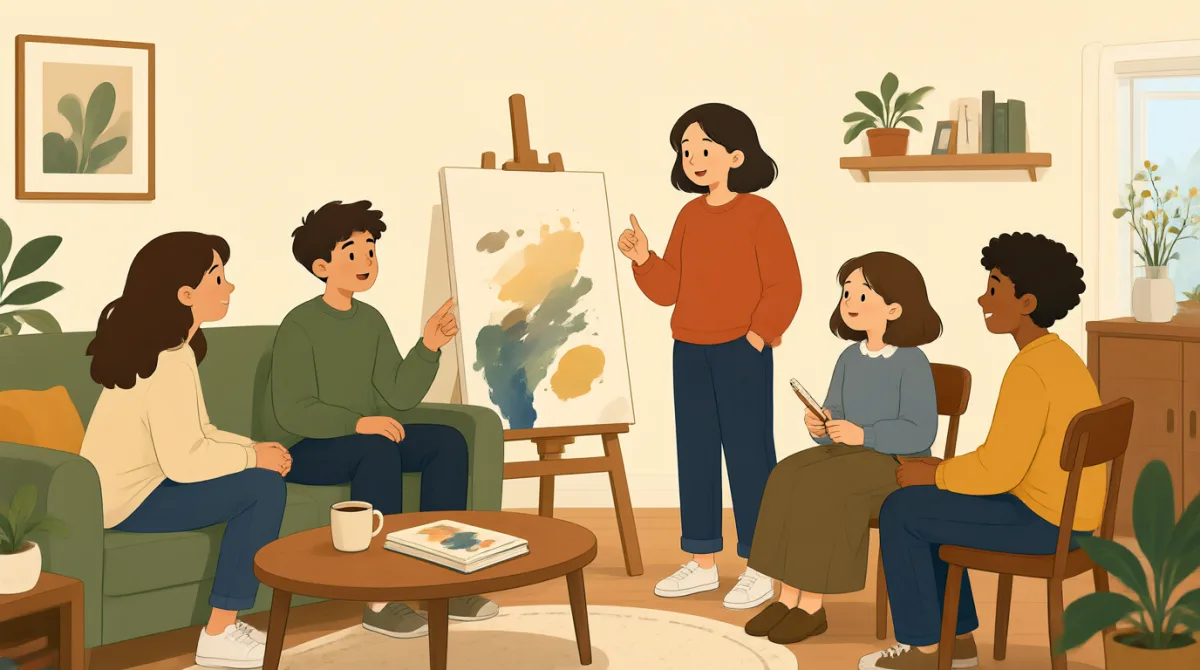

Hey Leo, how's that guitar learning going? You mentioned you picked it up a few months ago.
เฮ้ เลโอ หัดกีตาร์ไปถึงไหนแล้วนะ? เห็นบอกว่าเริ่มหัดเมื่อสองสามเดือนก่อนนี่

Oh, hey Emma! It's… a work in progress, I guess. Some days it feels like I'm making real headway, and others it's just endless buzzing strings.
อ้อ หวัดดี เอ็มมา! ก็...ยังต้องฝึกอีกเยอะมั้ง บางวันก็รู้สึกว่าพัฒนาขึ้นจริง ๆ แต่บางวันก็มีแต่เสียงสายกีตาร์สั่นแกรก ๆ ไม่หยุด
Totally understand! I had the same struggle when I started painting. What's the biggest challenge you're facing right now?
เข้าใจเลย! ตอนเริ่มวาดรูปฉันก็ลำบากเหมือนกัน ตอนนี้อะไรเป็นเรื่องที่ท้าทายที่สุดสำหรับนายเหรอ?
Definitely changing chords smoothly. My fingers just don't want to cooperate sometimes. And barre chords? Forget about it.
คงเป็นการเปลี่ยนคอร์ดให้ลื่นไหลนี่แหละ บางทีนิ้วก็ไม่ยอมทำตามใจเลย ส่วนคอร์ดทาบน่ะเหรอ ไม่ต้องพูดถึงเลย
Ah, the dreaded barre chords! Everyone struggles with those. Have you tried practicing a specific exercise for transitions? Like, just two chords back and forth really slowly?
อ๋อ คอร์ดทาบสุดโหด! ทุกคนก็ลำบากกับมันทั้งนั้น ลองฝึกแบบฝึกหัดเฉพาะสำหรับเปลี่ยนคอร์ดหรือยัง? อย่างฝึกสลับแค่สองคอร์ดไปมาแบบช้า ๆ น่ะ
I have a bit, but maybe not consistently enough. I tend to just jump into trying to play actual songs, which probably isn't the best approach.
ลองฝึกอยู่บ้าง แต่คงไม่สม่ำเสมอพอ ฉันมักจะกระโดดไปลองเล่นเพลงจริงเลย ซึ่งคงไม่ใช่วิธีที่ดีที่สุดเท่าไหร่
That's a common trap! Breaking it down into smaller, manageable chunks really helps. And don't underestimate the power of just 15-20 minutes of focused practice every day instead of one long session once a week.
นั่นเป็นกับดักที่เจอกันบ่อยเลย! แบ่งเป็นส่วนเล็ก ๆ ที่จัดการได้จะช่วยได้มาก แล้วก็อย่ามองข้ามพลังของการฝึกอย่างตั้งใจวันละแค่ 15-20 นาที แทนที่จะซ้อมยาว ๆ สัปดาห์ละครั้งนะ
That's smart advice. I probably need to be more disciplined with my daily routine. Thanks, Emma, I'll definitely give that a try.
คำแนะนำดีมากเลย ฉันคงต้องมีวินัยกับกิจวัตรประจำวันให้มากกว่านี้ ขอบใจนะ เอ็มมา เดี๋ยวฉันลองทำตามดูแน่นอน
No problem! Keep at it, you'll get there. And let me know if you discover any good online resources or apps for guitar, I'm always curious.
ไม่เป็นไร! ฝึกต่อไปนะ เดี๋ยวก็ทำได้เอง แล้วถ้าเจอแหล่งเรียนรู้ออนไลน์หรือแอปกีตาร์ดี ๆ ก็บอกฉันด้วยนะ ฉันชอบลองอะไรใหม่ ๆ อยู่แล้ว
คำศัพท์10
- headwayความคืบหน้า
Headway means progress or advancement in something you are learning or doing. Use it to talk about making improvements, like 'I'm making good headway in my guitar lessons.'
“Headway” หมายถึงความคืบหน้าหรือพัฒนาการในสิ่งที่กำลังเรียนรู้หรือทำอยู่ ใช้พูดถึงการพัฒนาขึ้น เช่น “I'm making good headway in my guitar lessons.” (ฉันกำลังพัฒนาการเล่นกีตาร์ได้ดีเลย)
- buzzingเสียงสั่นพร่า
Buzzing describes a low, vibrating sound, often negative when referring to guitar strings that sound wrong due to poor playing. It's useful for describing frustrating sounds in music practice.
“Buzzing” หมายถึงเสียงต่ำ ๆ ที่สั่นพร่า มักใช้ในแง่ลบเมื่อพูดถึงสายกีตาร์ที่เสียงเพี้ยนเพราะเล่นไม่ถูก เป็นคำที่มีประโยชน์เวลาอธิบายเสียงน่าหงุดหงิดระหว่างฝึกดนตรี
- challengeความท้าทาย
A challenge is a difficult task or problem that tests your skills. In hobbies, say 'The biggest challenge is changing chords' to discuss obstacles in learning.
“Challenge” คือโจทย์หรือปัญหาที่ยากและทดสอบทักษะของเรา เวลาพูดถึงงานอดิเรก อาจพูดว่า “The biggest challenge is changing chords” (เรื่องที่ท้าทายที่สุดคือการเปลี่ยนคอร์ด) เพื่อบอกถึงอุปสรรคในการเรียนรู้
- chordsคอร์ด
Chords are groups of musical notes played together on an instrument like a guitar. Essential for music learners to know when discussing playing songs.
“Chords” คือกลุ่มโน้ตดนตรีที่เล่นพร้อมกันบนเครื่องดนตรี เช่น กีตาร์ เป็นคำพื้นฐานที่คนเรียนดนตรีควรรู้เมื่อต้องพูดถึงการเล่นเพลง
- cooperateทำตาม
To cooperate means to work together willingly. Here, 'fingers don't cooperate' humorously means they don't move as you want. Use it for body parts not responding during practice.
“To cooperate” หมายถึงร่วมมือหรือทำตามอย่างเต็มใจ ในที่นี้ “fingers don't cooperate” (นิ้วไม่ยอมทำตาม) เป็นการพูดติดตลกว่า นิ้วไม่ขยับไปตามที่เราต้องการ ใช้พูดถึงส่วนต่าง ๆ ของร่างกายที่ไม่ตอบสนองตอนฝึกได้
- barre chordsคอร์ดทาบ
Barre chords are guitar chords where you press multiple strings with one finger across the fret. They're tough for beginners; mention them when sharing guitar struggles.
“Barre chords” คือคอร์ดกีตาร์ที่ใช้นิ้วหนึ่งกดพาดลงบนหลายสายพร้อมกัน คอร์ดแบบนี้ยากสำหรับมือใหม่ ใช้คำนี้เวลาพูดถึงปัญหาในการฝึกกีตาร์ได้
- consistentlyอย่างสม่ำเสมอ
Consistently means doing something regularly without stopping. Important for learning skills, like 'Practice consistently every day to improve.'
“Consistently” หมายถึงทำบางอย่างเป็นประจำต่อเนื่อง ไม่หยุด ๆ หาย ๆ สำคัญต่อการฝึกทักษะ เช่น “Practice consistently every day to improve.” (ฝึกทุกวันอย่างสม่ำเสมอเพื่อพัฒนาฝีมือ)
- disciplinedมีวินัย
Disciplined means having self-control and following a plan strictly. Use it for routines, such as 'I need to be more disciplined with my practice schedule.'
“Disciplined” หมายถึงควบคุมตัวเองได้และทำตามแผนอย่างเคร่งครัด ใช้พูดถึงกิจวัตร เช่น “I need to be more disciplined with my practice schedule.” (ฉันต้องมีวินัยกับตารางฝึกซ้อมให้มากกว่านี้)
- manageableจัดการได้
Manageable means easy to handle or control. In learning, break tasks into 'manageable chunks' to make big goals less overwhelming.
“Manageable” หมายถึงจัดการหรือควบคุมได้ ในการเรียนรู้ การแบ่งงานเป็น “manageable chunks” (ส่วนย่อยที่จัดการได้) ช่วยให้เป้าหมายใหญ่ดูไม่น่าหนักใจเกินไป
- resourcesแหล่งเรียนรู้
Resources are materials or tools that help you learn, like books or websites. Say 'online resources' when recommending learning aids for hobbies.
“Resources” คือสื่อหรือเครื่องมือที่ช่วยให้เราเรียนรู้ เช่น หนังสือหรือเว็บไซต์ ถ้าจะแนะนำตัวช่วยเรียนรู้งานอดิเรก ก็ใช้คำว่า “online resources” (แหล่งเรียนรู้ออนไลน์) ได้
ประโยคสำคัญ9
- 1
How's that guitar learning going? You mentioned you picked it up a few months ago.
หัดกีตาร์ไปถึงไหนแล้วนะ? เห็นบอกว่าเริ่มหัดเมื่อสองสามเดือนก่อนนี่
This is a casual way to ask about someone's progress in a hobby. 'Picked it up' is an idiom meaning 'started learning.' Useful for starting conversations about personal interests; use it with friends to show you remember their hobbies.
ประโยคนี้เป็นวิธีถามความคืบหน้าเรื่องงานอดิเรกแบบกันเอง “Picked it up” เป็นสำนวนที่หมายถึง “เริ่มเรียนรู้” ใช้เปิดบทสนทนาเรื่องสิ่งที่อีกฝ่ายสนใจได้ดี และแสดงให้เห็นว่าเราจำงานอดิเรกของเพื่อนได้
- 2
It's a work in progress, I guess.
ก็ยังต้องฝึกอีกเยอะมั้ง
This idiom means something is still developing and not complete. 'I guess' adds uncertainty. Great for intermediate learners to express ongoing efforts humbly, like in skill-building talks.
สำนวนนี้หมายถึงสิ่งที่ยังอยู่ระหว่างพัฒนาและยังไม่เสร็จสมบูรณ์ ส่วน “I guess” ช่วยสื่อความไม่แน่ใจ เป็นประโยคที่ผู้เรียนระดับกลางใช้พูดถึงความพยายามที่ยังดำเนินอยู่แบบถ่อมตัวได้ดี เช่น ตอนคุยเรื่องฝึกทักษะ
- 3
Totally understand! I had the same struggle when I started painting.
เข้าใจเลย! ตอนเริ่มวาดรูปฉันก็ลำบากเหมือนกัน
'Totally understand' shows empathy. 'Had the same struggle' shares a similar experience using past tense. Use this pattern to build rapport when someone describes challenges in hobbies.
“Totally understand” ใช้แสดงความเห็นอกเห็นใจ ส่วน “Had the same struggle” ใช้เล่าประสบการณ์คล้ายกันในอดีต ลองใช้รูปแบบนี้เพื่อสร้างความรู้สึกเชื่อมโยงเมื่อมีคนเล่าความท้าทายในการทำงานอดิเรก
- 4
What's the biggest challenge you're facing right now?
ตอนนี้อะไรเป็นเรื่องที่ท้าทายที่สุดสำหรับนายเหรอ?
This question uses present continuous 'you're facing' to ask about current problems. It's useful for deepening discussions on learning difficulties; the superlative 'biggest' focuses on the main issue.
คำถามนี้ใช้ present continuous ใน “you're facing” เพื่อถามถึงปัญหาที่กำลังเจออยู่ตอนนี้ ใช้ต่อยอดบทสนทนาเกี่ยวกับอุปสรรคในการเรียนรู้ได้ดี ส่วนคำขั้นสูงสุด “biggest” จะเน้นไปที่ปัญหาหลัก
- 5
My fingers just don't want to cooperate sometimes.
บางทีนิ้วก็ไม่ยอมทำตามใจเลย
This personifies body parts for humor, using 'don't want to' for reluctance. Present simple for habits, 'sometimes' for frequency. Fun way to describe physical challenges in activities like playing instruments.
ประโยคนี้พูดถึงนิ้วเหมือนเป็นคนเพื่อให้ฟังดูขำ ๆ โดยใช้ “don't want to” เพื่อสื่อว่าไม่ยอมทำตาม present simple ใช้พูดถึงสิ่งที่เกิดขึ้นเป็นประจำ และ “sometimes” บอกความถี่ เป็นวิธีสนุก ๆ ในการอธิบายความยากลำบากทางร่างกายระหว่างทำกิจกรรม เช่น เล่นเครื่องดนตรี
- 6
Have you tried practicing a specific exercise for transitions?
ลองฝึกแบบฝึกหัดเฉพาะสำหรับเปลี่ยนคอร์ดหรือยัง?
This suggests advice with 'Have you tried' (present perfect) to check past actions. 'For transitions' specifies purpose. Ideal for offering help in learning new skills without being pushy.
“Have you tried” เป็น present perfect ใช้ถามว่าเคยลองทำอะไรหรือยัง และยังเป็นวิธีให้คำแนะนำที่ฟังดูเป็นมิตร ส่วน “For transitions” บอกจุดประสงค์หรือสิ่งที่แบบฝึกหัดช่วยพัฒนา เหมาะเวลายื่นมือช่วยคนเรียนทักษะใหม่โดยไม่ทำให้รู้สึกถูกกดดัน
- 7
That's a common trap!
นั่นเป็นกับดักที่เจอกันบ่อยเลย!
'Common trap' means a frequent mistake people fall into. Exclamation adds emphasis. Use this to point out errors in a friendly way during advice-giving in hobby conversations.
“Common trap” หมายถึงข้อผิดพลาดที่คนมักเผลอทำ เครื่องหมายอัศเจรีย์ช่วยเน้นน้ำเสียง ใช้ชี้ให้เห็นข้อผิดพลาดอย่างเป็นมิตรระหว่างให้คำแนะนำเรื่องงานอดิเรกได้
- 8
Breaking it down into smaller, manageable chunks really helps.
แบ่งเป็นส่วนเล็ก ๆ ที่จัดการได้จะช่วยได้มาก
'Breaking it down' is a phrasal verb meaning dividing into parts. Gerund as subject, 'really helps' emphasizes benefit. Practical advice sentence for teaching better learning methods.
“Breaking it down” เป็น phrasal verb ที่หมายถึงการแบ่งสิ่งหนึ่งออกเป็นส่วน ๆ การใช้ gerund เป็นประธานในประโยค และ “really helps” ช่วยเน้นประโยชน์ ประโยคนี้เป็นคำแนะนำที่นำไปใช้ได้จริงเพื่อช่วยให้เรียนรู้ได้ดีขึ้น
- 9
Keep at it, you'll get there.
ฝึกต่อไปนะ เดี๋ยวก็ทำได้เอง
'Keep at it' means continue trying persistently. Future 'you'll get there' idiom for eventual success. Encouraging contraction for informal motivation; use to cheer up friends learning hobbies.
“Keep at it” หมายถึงพยายามทำต่อไปอย่างไม่ย่อท้อ ส่วนสำนวน “you'll get there” หมายถึงในที่สุดก็จะทำสำเร็จ รูปย่อช่วยให้ฟังดูเป็นกันเองและให้กำลังใจ ใช้ปลอบเพื่อนที่กำลังฝึกงานอดิเรกได้