Seeking Gardening Advice
ขอคำแนะนำเรื่องการทำสวน
Asking experienced gardeners or the garden coordinator for advice on planting specific crops, pest control, or general garden maintenance.
ขอคำแนะนำจากคนทำสวนที่มีประสบการณ์หรือผู้ประสานงานสวนชุมชนเกี่ยวกับการปลูกพืชบางชนิด การกำจัดศัตรูพืช หรือการดูแลสวนทั่วไป
บทสนทนา10
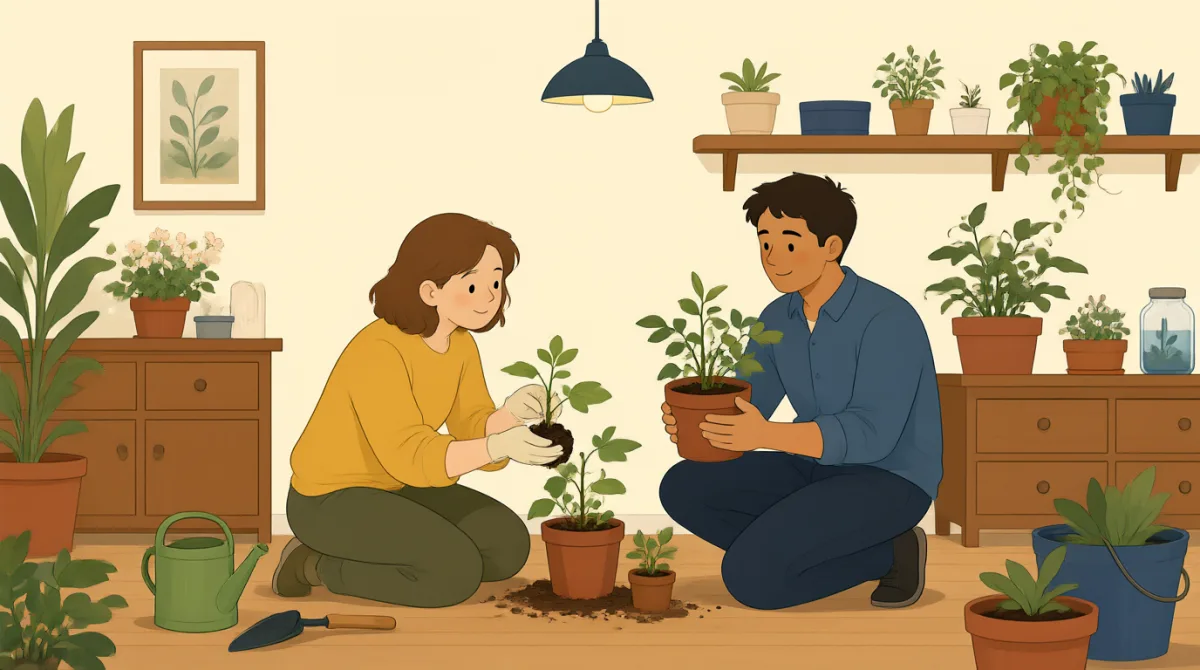

Hi David, do you have a moment? I was hoping to pick your brain about something.
หวัดดีเดวิด พอมีเวลาสักครู่ไหม? ฉันอยากขอคำแนะนำเรื่องหนึ่งหน่อยน่ะ

Sure, Emma, what's up? Always happy to help a fellow gardener.
ได้สิ เอ็มมา มีอะไรเหรอ? ยินดีช่วยเพื่อนคนทำสวนอยู่แล้ว
Thanks! I'm pretty new to gardening, and I'm trying to grow tomatoes this year. I was wondering if you have any tips on getting them to really thrive? Mine always seem to struggle.
ขอบคุณนะ! ฉันเพิ่งเริ่มทำสวนได้ไม่นาน แล้วปีนี้ก็พยายามปลูกมะเขือเทศอยู่ อยากรู้ว่ามีเคล็ดลับอะไรที่จะช่วยให้มันงอกงามดีไหม? ของฉันดูเหมือนจะไม่ค่อยโตดีเลย
Tomatoes can be a bit finicky, but they're so rewarding. First, make sure they get plenty of sun – at least 6-8 hours a day. And good drainage is key, too.
มะเขือเทศค่อนข้างเรื่องมากนิดหน่อย แต่ปลูกแล้วคุ้มมาก อย่างแรกต้องให้โดนแดดเยอะ ๆ อย่างน้อยวันละ 6-8 ชั่วโมง แล้วก็ต้องระบายน้ำได้ดีด้วย
Okay, sun and drainage, got it. What about pests? I had some tiny green bugs on my basil last year, and I'm worried about them spreading.
โอเค แดดกับการระบายน้ำ เข้าใจแล้ว แล้วเรื่องศัตรูพืชล่ะ? ปีที่แล้วฉันเจอแมลงตัวจิ๋วสีเขียวบนโหระพา กลัวว่ามันจะลามไปต้นอื่น
Ah, aphids! A common nuisance. For basil, you can often just spray them off with a strong stream of water. For a more persistent problem, try a neem oil spray – it's organic and effective.
อ๋อ เพลี้ย! เจอกันบ่อยและน่ารำคาญ ถ้าเป็นโหระพา ปกติแค่ฉีดน้ำแรง ๆ ไล่มันออกก็ได้ ถ้าปัญหายังไม่หาย ลองใช้น้ำมันสะเดาฉีดดู เป็นสารอินทรีย์และได้ผลดี
Neem oil, I'll remember that. And for general maintenance, is there anything I should be doing regularly besides watering and weeding?
น้ำมันสะเดา ฉันจะจำไว้ แล้วการดูแลทั่วไปล่ะ นอกจากรดน้ำกับถอนวัชพืชแล้ว มีอะไรที่ควรทำเป็นประจำอีกไหม?
Definitely. Fertilizing every few weeks can make a big difference, especially for heavy feeders like tomatoes. Also, 'pruning' off the suckers on tomato plants helps direct energy to the fruit. There's a good demo video on the garden's website for that, too.
มีแน่นอน ใส่ปุ๋ยทุกสองสามสัปดาห์ช่วยได้มาก โดยเฉพาะพืชที่ต้องการธาตุอาหารเยอะอย่างมะเขือเทศ อีกอย่าง การ 'pruning' หรือตัดหน่อข้างของต้นมะเขือเทศจะช่วยให้ต้นส่งพลังงานไปเลี้ยงผลได้ดีขึ้น ในเว็บไซต์ของสวนก็มีวิดีโอสาธิตดี ๆ ด้วยนะ
That's super helpful, David. I really appreciate you taking the time to explain all this. I feel much more confident now.
ช่วยได้เยอะเลยเดวิด ขอบคุณมากจริง ๆ ที่สละเวลาอธิบายให้ฟัง ตอนนี้ฉันมั่นใจขึ้นมากแล้ว
No problem at all, Emma! We're all learning here. Don't hesitate to ask if anything else comes up. And good luck with your tomatoes!
ยินดีเลยเอ็มมา พวกเราก็เรียนรู้กันอยู่ทั้งนั้น ถ้ามีอะไรสงสัยอีกก็ถามได้เลยนะ ขอให้ปลูกมะเขือเทศได้ผลดีล่ะ!
คำศัพท์9
- pick your brainขอคำแนะนำหรือข้อมูลจากใครสักคน
This idiom means to ask someone for advice or information on a topic, often used when seeking informal help from an expert.
สำนวน "pick your brain" หมายถึงการขอคำแนะนำหรือข้อมูลจากใครสักคนเกี่ยวกับเรื่องหนึ่ง มักใช้เมื่อต้องการขอความช่วยเหลือแบบไม่เป็นทางการจากผู้เชี่ยวชาญ
- thriveงอกงาม
To grow or develop very well and healthily, especially for plants; useful for talking about success in gardening or other activities.
หมายถึงเติบโตหรือพัฒนาได้ดีและแข็งแรง โดยเฉพาะเมื่อพูดถึงพืช ใช้พูดถึงความสำเร็จในการทำสวนหรือกิจกรรมอื่น ๆ ได้ด้วย
- finickyเรื่องมาก; ต้องดูแลเอาใจใส่มาก
Describes something that is difficult to please or requires a lot of care; here, it means tomatoes are sensitive to conditions.
ใช้บรรยายสิ่งที่ดูแลยากหรือต้องเอาใจใส่มาก ในที่นี้หมายถึงมะเขือเทศที่ไวต่อสภาพแวดล้อม
- drainageการระบายน้ำ
The system or process by which water moves away from an area, important in gardening to prevent root rot in plants.
ระบบหรือกระบวนการที่ช่วยให้น้ำไหลออกจากบริเวณหนึ่ง ในการทำสวน การระบายน้ำที่ดีช่วยป้องกันไม่ให้รากพืชเน่า
- pestsศัตรูพืช
Insects or animals that damage plants or crops; common term in gardening discussions for problems like bugs.
แมลงหรือสัตว์ที่ทำลายพืชหรือพืชผล เป็นคำที่ใช้กันทั่วไปในการพูดถึงปัญหาในสวน เช่น แมลง
- aphidsเพลี้ย
Small green insects that suck sap from plants and can harm them; a specific type of pest often found on herbs like basil.
แมลงตัวเล็กสีเขียวที่ดูดกินน้ำเลี้ยงจากพืชและอาจทำให้พืชเสียหาย เป็นศัตรูพืชชนิดหนึ่งที่มักพบตามพืชสมุนไพรอย่างโหระพา
- nuisanceสิ่งที่น่ารำคาญ
Something or someone that causes annoyance or trouble; used here to describe aphids as a common gardening problem.
สิ่งหรือคนที่ทำให้รู้สึกรำคาญหรือสร้างปัญหา ในที่นี้ใช้พูดถึงเพลี้ยในฐานะปัญหาที่พบได้บ่อยในการทำสวน
- pruningการตัดแต่งกิ่ง
The act of cutting off parts of a plant to improve growth or shape; essential for directing energy to fruits in tomato plants.
การตัดส่วนต่าง ๆ ของพืชออกเพื่อช่วยให้เติบโตดีขึ้นหรือมีรูปทรงตามต้องการ สำหรับต้นมะเขือเทศ การตัดแต่งช่วยให้พืชส่งพลังงานไปเลี้ยงผลได้ดี
- suckersหน่อข้าง
In gardening, these are small shoots that grow from the base of tomato plants; removing them helps the plant focus on fruit production.
ในการทำสวน หมายถึงหน่อเล็ก ๆ ที่งอกจากโคนต้นมะเขือเทศ การตัดออกช่วยให้ต้นเน้นการสร้างผล
ประโยคสำคัญ9
- 1
Hi David, do you have a moment? I was hoping to pick your brain about something.
หวัดดีเดวิด พอมีเวลาสักครู่ไหม? ฉันอยากขอคำแนะนำเรื่องหนึ่งหน่อยน่ะ
This is a polite way to start a conversation and ask for advice. 'Do you have a moment?' checks if the person is available, and 'pick your brain' is an idiom for seeking knowledge. Useful for informal requests in everyday situations.
ประโยคนี้เป็นวิธีเริ่มบทสนทนาอย่างสุภาพและขอคำแนะนำ "Do you have a moment?" (พอมีเวลาสักครู่ไหม?) ใช้ถามว่าอีกฝ่ายสะดวกหรือเปล่า ส่วน "pick your brain" เป็นสำนวนที่หมายถึงการขอความรู้หรือคำแนะนำ เหมาะกับการขอความช่วยเหลือแบบไม่เป็นทางการในชีวิตประจำวัน
- 2
Sure, Emma, what's up? Always happy to help a fellow gardener.
ได้สิ เอ็มมา มีอะไรเหรอ? ยินดีช่วยเพื่อนคนทำสวนอยู่แล้ว
A friendly response to an offer for help. 'What's up?' is casual for 'What's the matter?' and 'fellow gardener' shows community spirit. Good for building rapport in group activities like community gardens.
เป็นคำตอบที่เป็นมิตรเมื่อมีคนขอความช่วยเหลือ "What's up?" เป็นคำพูดกันเองที่หมายถึง “มีอะไรเหรอ?” ส่วน "fellow gardener" แสดงถึงความเป็นพวกเดียวกัน เหมาะสำหรับสร้างความสนิทสนมในกิจกรรมกลุ่มอย่างสวนชุมชน
- 3
I'm pretty new to gardening, and I'm trying to grow tomatoes this year.
ฉันเพิ่งเริ่มทำสวนได้ไม่นาน แล้วปีนี้ก็พยายามปลูกมะเขือเทศอยู่
This introduces a beginner's experience and specific goal. 'Pretty new' means somewhat inexperienced, using present continuous 'I'm trying' for ongoing efforts. Helpful for explaining your level when asking for tips.
ประโยคนี้บอกว่าผู้พูดเป็นมือใหม่และมีเป้าหมายที่ชัดเจน "Pretty new" หมายถึงยังไม่มีประสบการณ์มากนัก ส่วน "I'm trying" ใช้รูป present continuous เพื่อบอกถึงสิ่งที่กำลังพยายามทำอยู่ เหมาะสำหรับบอกระดับประสบการณ์ของตัวเองเวลาขอคำแนะนำ
- 4
Tomatoes can be a bit finicky, but they're so rewarding.
มะเขือเทศค่อนข้างเรื่องมากนิดหน่อย แต่ปลูกแล้วคุ้มมาก
Gives balanced advice on plant challenges and benefits. 'A bit finicky' softens the difficulty, and 'rewarding' means satisfying. Use this pattern to discuss pros and cons in hobbies.
ประโยคนี้พูดถึงทั้งความยากและข้อดีของการปลูกพืช "A bit finicky" ช่วยลดน้ำหนักของคำว่า “เรื่องมาก” ส่วน "rewarding" หมายถึงให้ความพึงพอใจ ใช้รูปแบบนี้พูดถึงข้อดีและข้อเสียของงานอดิเรกได้
- 5
What about pests? I had some tiny green bugs on my basil last year.
แล้วเรื่องศัตรูพืชล่ะ? ปีที่แล้วฉันเจอแมลงตัวจิ๋วสีเขียวบนโหระพา
This shifts the topic to a new concern with a past experience. 'What about...?' is a natural way to ask follow-up questions. Useful for continuing conversations about problems.
ประโยคนี้เปลี่ยนไปพูดถึงข้อกังวลใหม่พร้อมเล่าประสบการณ์ที่ผ่านมา "What about...?" เป็นวิธีถามคำถามต่อที่ฟังเป็นธรรมชาติ เหมาะสำหรับคุยต่อเกี่ยวกับปัญหาต่าง ๆ
- 6
For basil, you can often just spray them off with a strong stream of water.
ถ้าเป็นโหระพา ปกติแค่ฉีดน้ำแรง ๆ ไล่มันออกก็ได้
Offers practical advice with a simple solution. 'Spray them off' uses imperative 'you can' for suggestions, and 'often just' implies it's easy. Great for giving or sharing home remedies.
เป็นการเสนอวิธีแก้ปัญหาที่ทำได้จริงและไม่ซับซ้อน "Spray them off" หมายถึงฉีดน้ำไล่พวกมันออก ส่วน "often just" สื่อว่ามักทำได้ง่าย ๆ ใช้ได้ดีเวลาบอกหรือแบ่งปันวิธีแก้ปัญหาในบ้าน
- 7
Fertilizing every few weeks can make a big difference, especially for heavy feeders like tomatoes.
ใส่ปุ๋ยทุกสองสามสัปดาห์ช่วยได้มาก โดยเฉพาะพืชที่ต้องการธาตุอาหารเยอะอย่างมะเขือเทศ
Explains a maintenance tip with condition and emphasis. 'Can make a big difference' shows potential impact, and 'especially for' highlights specifics. Useful for routine advice in learning contexts.
ประโยคนี้อธิบายเคล็ดลับการดูแล พร้อมเน้นว่ามีประโยชน์กับพืชชนิดไหนเป็นพิเศษ "Can make a big difference" หมายถึงอาจช่วยได้มาก ส่วน "especially for" ใช้เน้นกรณีเฉพาะ เหมาะสำหรับให้คำแนะนำเป็นประจำ
- 8
That's super helpful, David. I really appreciate you taking the time to explain all this.
ช่วยได้เยอะเลยเดวิด ขอบคุณมากจริง ๆ ที่สละเวลาอธิบายให้ฟัง
Expresses thanks after receiving advice. 'Super helpful' is informal praise, and 'I really appreciate' uses gerund 'taking the time' for gratitude. Essential for polite endings in conversations.
ใช้กล่าวขอบคุณหลังได้รับคำแนะนำ "Super helpful" เป็นคำชมแบบไม่เป็นทางการที่หมายถึง “ช่วยได้มาก” ส่วน "I really appreciate" ใช้แสดงความขอบคุณ โดยตามด้วย "taking the time" เพื่อขอบคุณที่อีกฝ่ายสละเวลา เหมาะสำหรับปิดบทสนทนาอย่างสุภาพ
- 9
No problem at all, Emma! We're all learning here. Don't hesitate to ask if anything else comes up.
ยินดีเลยเอ็มมา พวกเราก็เรียนรู้กันอยู่ทั้งนั้น ถ้ามีอะไรสงสัยอีกก็ถามได้เลยนะ
A reassuring close to the talk. 'No problem at all' downplays the effort, 'don't hesitate' encourages future questions, and present continuous 'comes up' for future issues. Perfect for supportive responses.
เป็นการปิดบทสนทนาอย่างให้กำลังใจ "No problem at all" ช่วยบอกว่าไม่ต้องเกรงใจ "Don't hesitate" สนับสนุนให้อีกฝ่ายถามได้ในอนาคต และ "comes up" ใช้พูดถึงปัญหาที่อาจเกิดขึ้นภายหลัง เหมาะสำหรับตอบรับอย่างเป็นมิตร