Comparing Treatment Options
치료 방법 비교하기
Mia and Dr. Chen weigh medication against starting with lifestyle changes and monitoring her blood pressure. She asks how long they could try each approach before reassessing, and they agree on a plan that reflects her priorities.
미아와 첸 박사는 약물 치료와 생활 습관을 먼저 바꾸면서 혈압을 관찰하는 방법을 비교합니다. 미아는 각 방법을 얼마나 시도한 뒤 다시 평가할 수 있는지 묻고, 자신의 우선순위를 반영한 계획을 함께 세웁니다.
대화9
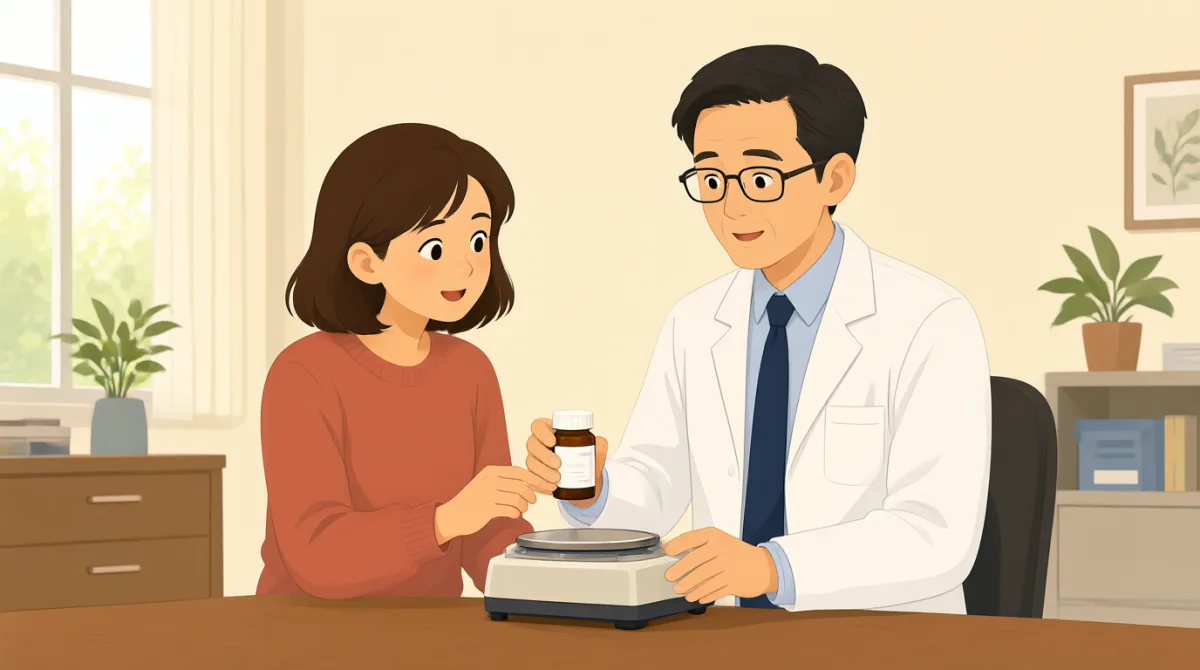

Now that we’ve confirmed the readings are consistently high, I’d like to talk through my options. Is it reasonable to start with lifestyle changes, or would you recommend medication right away?
혈압 수치가 계속 높다는 걸 확인했으니, 선택할 수 있는 방법들을 함께 살펴보고 싶어요. 생활 습관을 바꾸는 것부터 시작해도 괜찮을까요, 아니면 바로 약을 복용하는 게 좋을까요?

Both approaches are reasonable in your situation. Medication can bring your blood pressure down more quickly, while lifestyle changes may help over time. We can also combine them if needed.
환자분의 경우 두 방법 모두 괜찮습니다. 약을 복용하면 혈압을 더 빨리 낮출 수 있고, 생활 습관을 바꾸면 시간이 지나면서 도움이 될 수 있어요. 필요하다면 두 가지를 병행할 수도 있습니다.
I’d prefer to avoid medication if it’s safe to do so, but I don’t want to take an unnecessary risk. What would we need to monitor if I tried lifestyle changes first?
안전하다면 약은 피하고 싶지만, 불필요한 위험을 감수하고 싶지는 않아요. 생활 습관을 먼저 바꿔 본다면 무엇을 관찰해야 할까요?
We’d track your blood pressure at home, ideally twice a day, and review the readings together. We’d also look at your overall health and any symptoms, rather than relying on one number.
집에서 혈압을 재서 기록하면 됩니다. 가능하면 하루에 두 번 측정하고, 기록한 수치를 함께 살펴볼게요. 수치 하나에만 의존하지 않고 전반적인 건강 상태와 증상도 확인하겠습니다.
How long could we give that a try before reassessing? I’d be comfortable with a clear time frame, as long as we agree in advance on what would count as progress.
다시 평가하기 전에 얼마나 시도해 볼 수 있을까요? 어느 정도 기간이 정해져 있고, 무엇을 진전으로 볼지 미리 합의한다면 마음이 놓일 것 같아요.
That’s fair. We could try it for about six weeks, then review your home readings and discuss whether they’re moving in the right direction. If they remain high, we’d revisit medication.
그렇죠. 약 6주 동안 시도해 본 다음 집에서 잰 혈압 기록을 살펴보고, 수치가 나아지는 방향인지 이야기해 볼 수 있어요. 계속 높다면 약물 치료를 다시 검토하겠습니다.
Six weeks sounds manageable. I can cut back on salty convenience foods and make time for regular walks, but I’d rather not change everything at once.
6주면 해볼 만할 것 같아요. 짠 간편식은 줄이고 규칙적으로 산책할 시간을 내볼 수 있지만, 한꺼번에 모든 걸 바꾸고 싶지는 않아요.
That’s a sensible place to start. We’ll set up a follow-up appointment for six weeks from now, and you can bring your blood pressure log. If the readings rise sharply or you feel unwell, contact us sooner.
좋은 시작이라고 생각합니다. 지금부터 6주 후에 다시 진료를 예약할게요. 그때 혈압 기록을 가져오시면 됩니다. 혈압이 급격히 오르거나 몸이 좋지 않으면 더 일찍 연락해 주세요.
All right. Let’s try the lifestyle changes and monitoring first, then make a decision based on the trend. I appreciate having a plan, rather than feeling rushed into one option.
좋아요. 우선 생활 습관을 바꾸면서 혈압을 관찰해 보고, 추이를 바탕으로 결정하죠. 한 가지 방법을 급하게 선택해야 한다는 느낌 대신 계획이 있어서 마음이 놓여요.
어휘8
- talk through my options선택할 수 있는 방법들을 함께 살펴보다
To discuss the choices available before making a decision. You can use this when asking someone to explain different possibilities.
결정하기 전에 가능한 선택지를 논의한다는 뜻이에요. 상대방에게 여러 가능성을 설명해 달라고 할 때 쓸 수 있어요.
- right away바로, 즉시
Immediately or without waiting. Here, it refers to starting medication without first trying lifestyle changes.
기다리지 않고 즉시 한다는 뜻이에요. 여기서는 먼저 생활 습관을 바꿔 보지 않고 바로 약물 치료를 시작하는 것을 가리켜요.
- if it’s safe to do so안전하다면
A cautious way to say that you would prefer something only if it does not create a risk. It is useful when balancing a preference against safety.
위험을 초래하지 않는다는 전제하에 어떤 것을 선호한다고 조심스럽게 말하는 표현이에요. 개인적인 선호와 안전을 함께 고려할 때 유용해요.
- track your blood pressure혈압을 측정하고 기록하다
To measure and record your blood pressure over time. The phrase can also be used for monitoring other health information or progress.
시간을 두고 혈압을 재고 기록한다는 뜻이에요. 다른 건강 정보나 진행 상황을 관찰할 때도 쓸 수 있는 표현이에요.
- give that a try한번 시도해 보다
To test an approach for a period of time and see how it works. It is a natural, conversational way to suggest trying something.
일정 기간 어떤 방법을 시도해 보고 효과가 있는지 확인한다는 뜻이에요. 무언가를 해보자고 제안할 때 자연스럽게 쓸 수 있어요.
- moving in the right direction좋은 방향으로 나아가다
Improving or showing progress toward a desired result. You can use it to discuss whether a plan is working.
상태가 나아지거나 원하는 결과를 향해 진전이 있다는 뜻이에요. 계획이 효과를 내고 있는지 이야기할 때 쓸 수 있어요.
- cut back on~을 줄이다
To reduce the amount or frequency of something. For example, you might cut back on a particular food or habit.
무언가의 양이나 빈도를 줄인다는 뜻이에요. 예를 들어 특정 음식이나 습관을 줄인다고 말할 수 있어요.
- set up a follow-up appointment추후 진료를 예약하다
To arrange a later appointment to check on progress. This phrase is commonly used in medical and professional settings.
진행 상황을 확인하기 위해 나중에 진료를 받도록 일정을 잡는다는 뜻이에요. 의료 기관이나 업무 환경에서 흔히 쓰는 표현이에요.
핵심 문장8
- 1
Is it reasonable to start with lifestyle changes, or would you recommend medication right away?
생활 습관을 바꾸는 것부터 시작해도 괜찮을까요, 아니면 바로 약을 복용하는 게 좋을까요?
This is a polite way to ask for professional advice while comparing two options. You can reuse the structure, “Is it reasonable to [option], or would you recommend [alternative]?”
두 가지 방법을 비교하며 전문가의 조언을 정중하게 구하는 표현이에요. “Is it reasonable to [option], or would you recommend [alternative]?”라는 구조를 활용해 “[선택지]부터 시작해도 괜찮을까요, 아니면 [다른 방법]을 권하시겠어요?”라고 물어볼 수 있어요.
- 2
I’d prefer to avoid medication if it’s safe to do so, but I don’t want to take an unnecessary risk.
안전하다면 약은 피하고 싶지만, 불필요한 위험을 감수하고 싶지는 않아요.
This sentence expresses a preference while showing that safety matters too. It is useful when explaining a nuanced decision to a professional.
안전도 중요하다는 점을 밝히면서 자신의 선호를 표현하는 문장이에요. 전문가에게 여러 요소를 고려한 결정을 설명할 때 유용해요.
- 3
What would we need to monitor if I tried lifestyle changes first?
생활 습관을 먼저 바꿔 본다면 무엇을 관찰해야 할까요?
This asks what information or symptoms should be watched when trying an approach. Reuse “What would we need to monitor if I tried…?” when discussing a trial plan.
어떤 방법을 시도할 때 어떤 정보나 증상을 지켜봐야 하는지 묻는 표현이에요. 시험적으로 어떤 방법을 시도하는 계획을 논의할 때 “What would we need to monitor if I tried…?”를 활용해 보세요.
- 4
I’d be comfortable with a clear time frame, as long as we agree in advance on what would count as progress.
기간이 명확하고 무엇을 진전으로 볼지 미리 합의한다면 마음이 놓일 것 같아요.
This states a condition for feeling comfortable with a plan and asks for shared expectations. It is useful in negotiations where you want clear goals and a review point.
계획에 동의하기 위해 필요한 조건을 밝히고, 서로 기대하는 바를 조율하는 문장이에요. 목표와 검토 시점을 명확히 하고 싶을 때 유용해요.
- 5
If they remain high, we’d revisit medication.
계속 높다면 약물 치료를 다시 검토하겠습니다.
This uses a conditional to explain what the next step would be if the situation does not improve. You can reuse “If [condition], we’d revisit [option]” to describe a flexible plan.
상황이 나아지지 않을 경우 다음 단계가 무엇인지 조건문으로 설명해요. 유연한 계획을 말할 때 “If [condition], we’d revisit [option]”이라는 구조를 활용해 “[조건]이라면 [선택지]를 다시 검토하겠습니다”라고 할 수 있어요.
- 6
I can cut back on salty convenience foods and make time for regular walks, but I’d rather not change everything at once.
짠 간편식은 줄이고 규칙적으로 산책할 시간을 낼 수 있지만, 한꺼번에 모든 걸 바꾸고 싶지는 않아요.
This sentence names practical steps while setting a reasonable limit. It is useful when agreeing on changes that feel manageable.
실천 가능한 방법을 말하면서 무리하지 않을 범위도 함께 정하는 문장이에요. 감당할 만한 변화를 함께 계획할 때 유용해요.
- 7
If the readings rise sharply or you feel unwell, contact us sooner.
혈압 수치가 급격히 오르거나 몸이 좋지 않으면 더 일찍 연락해 주세요.
This gives clear instructions for when to seek help before the planned follow-up. The “If…, [action]” structure is useful for communicating safety steps.
예정된 후속 진료를 기다리지 말고 언제 도움을 요청해야 하는지 분명하게 안내하는 문장이에요. 안전 수칙을 전달할 때 “If…, [action]” 구조를 활용할 수 있어요.
- 8
Let’s try the lifestyle changes and monitoring first, then make a decision based on the trend.
우선 생활 습관을 바꾸면서 혈압을 관찰해 보고, 추이를 바탕으로 결정하죠.
This summarizes a gradual plan and explains what will guide the later decision. You can reuse it when agreeing to test an approach before choosing what to do next.
단계적으로 진행할 계획을 요약하고, 이후의 결정을 무엇에 따라 내릴지 설명하는 문장이에요. 다음 단계를 정하기 전에 어떤 방법을 먼저 시도하기로 합의할 때 활용해 보세요.