Explaining Key Traditions & Activities
سنتها و فعالیتهای اصلی را توضیح دهید
The discussion deepens as the native speaker elaborates on the specific customs, rituals, and activities associated with the holiday, such as family gatherings, specific decorateions, or community events, providing examples and context.
در این گفتوگوی مفصلتر، گوینده دربارهٔ رسوم، آیینها و فعالیتهای ویژهٔ این جشن، مثل دورهمیهای خانوادگی، تزیینات خاص یا رویدادهای اجتماعی، با ذکر مثال و ارائهٔ توضیحات بیشتر صحبت میکند.
گفتوگو8
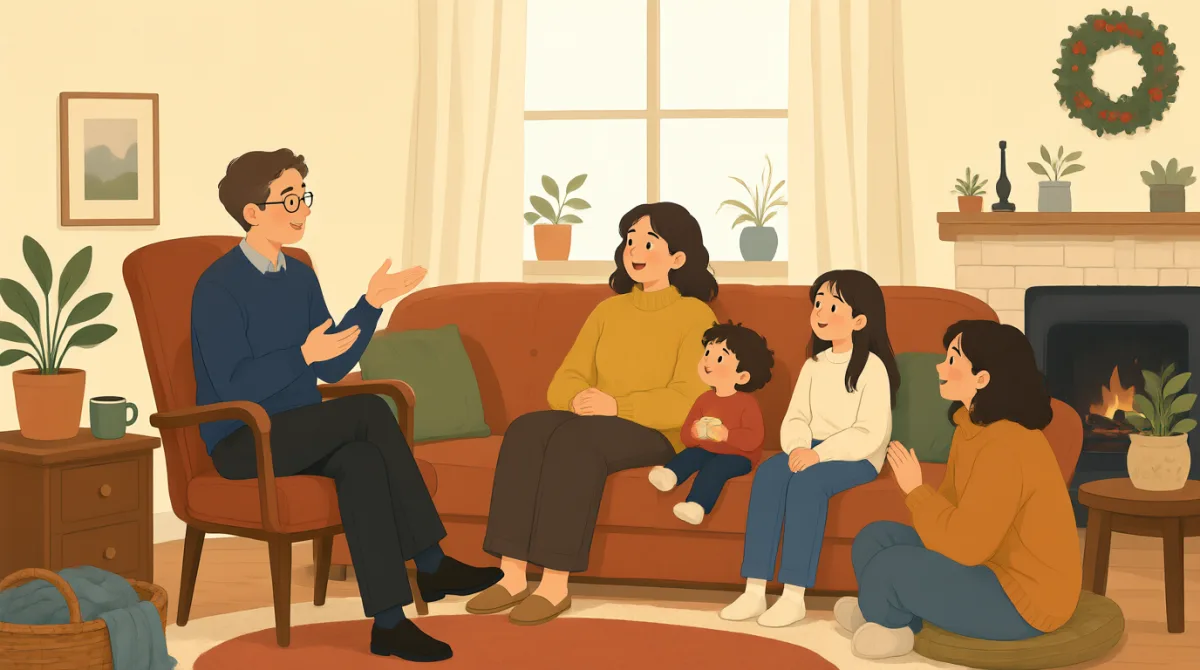

So, you mentioned Lunar New Year. What are some of the key traditions and activities that people do during that time?
خب، گفتی سال نوی قمری. مردم در این ایام چه سنتها و فعالیتهای مهمی دارن؟

That's a great question, Emma. It's really the most important holiday. A huge part of it is family gatherings. We travel, sometimes great distances, to be with our relatives. It's all about reunion.
سؤال خیلی خوبیه، اما. این واقعاً مهمترین جشنه. بخش بزرگی ازش دورهمیهای خانوادگیه. سفر میکنیم، گاهی مسافتهای خیلی طولانی، تا کنار خویشاوندامون باشیم. همهچیز دربارهٔ دوباره کنار هم جمع شدنه.
That sounds lovely, like Thanksgiving in a way. Are there any specific decorations or rituals you do for the home?
چه دلنشین؛ یه جورایی مثل جشن شکرگزاری. برای خونه تزیینات یا آیین خاصی هم دارین؟
Absolutely! Red is the dominant color. People put up red couplets with auspicious phrases on their doors, and hang red lanterns. It's believed to bring good luck and ward off evil spirits.
حتماً! رنگ غالب قرمزه. مردم روی درهاشون کاغذنوشتههای قرمز با عبارتهای فرخنده میچسبونن و فانوسهای قرمز آویزون میکنن. باور دارن این کار خوششانسی میاره و ارواح پلید رو دور میکنه.
Red for good luck, that makes sense. What about specific activities like parades or community events?
قرمز برای خوششانسی؛ منطقیه. دربارهٔ فعالیتهای خاص مثل رژه یا رویدادهای اجتماعی چی؟
Oh, definitely! Dragon and lion dances are very popular. They perform in the streets to scare away evil spirits and bring prosperity. There are also temple fairs, firework displays, and often, giving red envelopes filled with money, especially to children and unmarried juniors.
اوه، حتماً! رقص اژدها و شیر خیلی محبوبه. اجراشون میکنن تا ارواح پلید رو بترسونن و رونق و کامیابی بیارن. جشنهای معبد و نمایش آتشبازی هم هست و معمولاً به بچهها و جوانترهای مجرد پاکتهای قرمز پولدار میدن.
That's fascinating! So it's a mix of family time, symbolic decorations, and vibrant community celebrations. It sounds much more elaborate than I imagined.
واقعاً جالبه! پس ترکیبیه از وقتگذرونی با خانواده، تزیینات نمادین و جشنهای پرشور اجتماعی. خیلی مفصلتر از چیزیه که تصور میکردم.
It truly is. It's a time for renewal, letting go of the old, and welcoming the new with hopes for good fortune and happiness. Every activity has a symbolic meaning behind it.
واقعاً همینطوره. این دورهایه برای نوسازی، کنار گذاشتن گذشته و استقبال از سال جدید با امید به بخت خوب و خوشبختی. هر فعالیتی معنای نمادین خودش رو داره.
واژگان10
- traditionsسنتها
Customs or practices passed down through generations, like special ways people celebrate holidays. In this dialogue, it refers to Lunar New Year customs.
رسوم یا کارهایی که نسلبهنسل منتقل میشن؛ مثل شیوههای ویژهٔ جشن گرفتن. اینجا منظور رسوم سال نوی قمریه.
- reunionدوباره کنار هم جمع شدن
The act of coming together again, especially with family. It's a key part of holidays like Lunar New Year, emphasizing family bonds.
دوباره دور هم جمع شدن، بهویژه اعضای خانواده. این موضوع بخش مهمی از جشنهایی مثل سال نوی قمریه و بر پیوندهای خانوادگی تأکید داره.
- decorationsتزیینات
Items used to make a place look festive or special, such as lights or banners. For Lunar New Year, these include red items for luck.
چیزهایی که برای جشنآرایی یا ویژهتر کردن یک مکان به کار میرن، مثل چراغها یا آویزها. در سال نوی قمری، تزیینات قرمز برای خوششانسی استفاده میشن.
- ritualsآیینها
Formal acts or ceremonies with symbolic meaning, often part of cultural or religious events. They help create a sense of tradition during holidays.
کارها یا مراسم رسمی با معنای نمادین که اغلب بخشی از رویدادهای فرهنگی یا مذهبی هستن. این آیینها در جشنها حس پیوند با سنت رو ایجاد میکنن.
- auspiciousفرخنده
Something that brings good luck or positive outcomes. In Chinese culture, phrases on couplets are auspicious for the new year.
چیزی که خوششانسی یا نتیجهٔ خوبی به همراه داره. در فرهنگ چینی، عبارتهای روی کاغذنوشتهها برای سال نو فرخنده به حساب میان.
- ward offدور کردن
To protect against or keep away something bad, like evil spirits. Red decorations in Lunar New Year are used to ward off bad luck.
محافظت کردن در برابر چیز بد یا دور نگه داشتنش؛ مثلاً ارواح پلید. در سال نوی قمری از تزیینات قرمز برای دور کردن بدشانسی استفاده میکنن.
- prosperityرونق و کامیابی
A state of being successful, especially financially. Dragon dances during Lunar New Year symbolize bringing prosperity to the community.
وضعیتی که در آن فرد یا جامعه موفق است، بهویژه از نظر مالی. رقص اژدها در سال نوی قمری نماد آوردن رونق و کامیابی برای جامعه است.
- red envelopesپاکتهای قرمز
Traditional packets filled with money given as gifts during Chinese holidays. They are given to children and juniors to wish them good fortune.
پاکتهای سنتیِ حاوی پول که در جشنهای چینی هدیه داده میشن. این پاکتها رو به بچهها و کوچکترها میدن تا براشون آرزوی بخت خوب کنن.
- symbolicنمادین
Representing or standing for something deeper, like an idea or meaning. Many Lunar New Year activities are symbolic of good luck and renewal.
چیزی که نمایندهٔ معنایی عمیقتر، مثل یک ایده یا مفهوم، باشه. بسیاری از فعالیتهای سال نوی قمری نماد خوششانسی و نوسازی هستن.
- renewalنوسازی
The process of starting fresh or making something new again. Lunar New Year is a time for renewal, leaving the old year behind.
فرایند شروع دوباره یا تازه کردن چیزی. سال نوی قمری فرصتی برای نوسازی و پشت سر گذاشتن سال قدیمه.
جملات کلیدی8
- 1
What are some of the key traditions and activities that people do during that time?
مردم در این ایام چه سنتها و فعالیتهای مهمی دارن؟
This is a question asking for details about customs. It's useful for conversations about holidays. Notice the structure: 'What are some of the + plural noun + that + clause?' to seek examples.
این پرسش برای دانستن جزئیات رسومه و در گفتوگو دربارهٔ جشنها به کار میاد. به این ساختار دقت کن: 'What are some of the + plural noun + that + clause?' (بعضی از ...هایی که ... کداماند؟)؛ با این الگو میتونی نمونه بخوای.
- 2
It's really the most important holiday. A huge part of it is family gatherings.
این واقعاً مهمترین جشنه. بخش بزرگی ازش دورهمیهای خانوادگیه.
This explains the significance of a holiday. 'A huge part of it is...' is a common way to describe main aspects. Use this to highlight what's central to an event.
این جمله اهمیت یک جشن رو توضیح میده. 'A huge part of it is...' (بخش بزرگی از آن ... است) عبارت رایجیه برای اشاره به جنبههای اصلی یک رویداد. ازش برای گفتن اینکه چه چیزی نقش محوری داره استفاده کن.
- 3
We travel, sometimes great distances, to be with our relatives. It's all about reunion.
سفر میکنیم، گاهی مسافتهای خیلی طولانی، تا کنار خویشاوندامون باشیم. همهچیز دربارهٔ دوباره کنار هم جمع شدنه.
This describes family efforts during holidays. The phrase 'It's all about + noun' summarizes the main idea. It's practical for explaining motivations in cultural contexts.
این جمله از تلاش خانوادهها در ایام جشن میگه. عبارت 'It's all about + noun' (همهچیز دربارهٔ ... است) برای خلاصه کردن ایدهٔ اصلی به کار میره و در توضیح انگیزهها در موقعیتهای فرهنگی مفیده.
- 4
People put up red couplets with auspicious phrases on their doors, and hang red lanterns.
مردم روی درهاشون کاغذنوشتههای قرمز با عبارتهای فرخنده میچسبونن و فانوسهای قرمز آویزون میکنن.
This gives specific examples of decorations. Use 'put up' for hanging or displaying items. The sentence uses 'and' to connect actions, showing a list of traditions.
این جمله نمونههای مشخصی از تزیینات رو بیان میکنه. برای آویزان کردن یا به نمایش گذاشتن چیزی از 'put up' استفاده کن. واژهٔ 'and' هم دو کار رو به هم وصل میکنه و فهرستی از سنتها میسازه.
- 5
It's believed to bring good luck and ward off evil spirits.
باور دارن این کار خوششانسی میاره و ارواح پلید رو دور میکنه.
This explains cultural beliefs. 'It's believed to + verb' is a passive structure for stating common views. Useful for discussing why people do certain rituals.
این جمله باورهای فرهنگی رو توضیح میده. 'It's believed to + verb' (باور بر این است که ...) ساختار مجهولیه که برای بیان دیدگاههای رایج استفاده میشه. وقتی میخوای توضیح بدی چرا مردم آیین خاصی رو انجام میدن، این ساختار به دردت میخوره.
- 6
Dragon and lion dances are very popular. They perform in the streets to scare away evil spirits and bring prosperity.
رقص اژدها و شیر خیلی محبوبه. اجراشون میکنن تا ارواح پلید رو بترسونن و رونق و کامیابی بیارن.
This describes community events. Compound subjects like 'Dragon and lion dances' followed by 'are' agree in number. 'To + verb' shows purpose, great for explaining activities.
این جمله رویدادهای اجتماعی رو توصیف میکنه. فاعلهای مرکبی مثل 'Dragon and lion dances' با فعل 'are' میآیند، چون جمع هستن. ساختار 'To + verb' هدف رو نشون میده و برای توضیح فعالیتها خیلی کاربردیه.
- 7
That's fascinating! So it's a mix of family time, symbolic decorations, and vibrant community celebrations.
واقعاً جالبه! پس ترکیبیه از وقتگذرونی با خانواده، تزیینات نمادین و جشنهای پرشور اجتماعی.
This shows enthusiasm and summarizes. 'A mix of + nouns' is a useful phrase for describing combinations. 'So' connects to recap, helpful in discussions.
این جمله اشتیاق رو نشون میده و مطالب رو خلاصه میکنه. عبارت 'A mix of + nouns' (ترکیبی از ...) برای توصیف چند چیز در کنار هم کاربردیه. 'So' (پس) هم به جمعبندی کمک میکنه.
- 8
It's a time for renewal, letting go of the old, and welcoming the new with hopes for good fortune and happiness.
این دورهایه برای نوسازی، کنار گذاشتن گذشته و استقبال از سال جدید با امید به بخت خوب و خوشبختی.
This conveys the holiday's deeper meaning. Gerunds like 'letting go' and 'welcoming' act as nouns in a list. Use this pattern to explain symbolic importance.
این جمله معنای عمیقتر جشن رو بیان میکنه. شکلهای -ing در 'letting go' و 'welcoming' در اینجا مثل اسم، اجزای یک فهرست هستن. از این الگو برای توضیح اهمیت نمادین چیزی استفاده کن.