Evidence Presentation & Data Interpretation
عرض الأدلة وتفسير البيانات
Debaters present research findings, statistics, expert opinions, and real-world examples to support their claims and interpret complex data.
يعرض المتناظرون نتائج الأبحاث والإحصاءات وآراء الخبراء وأمثلة من الواقع لدعم ادعاءاتهم وتفسير البيانات المعقدة.
حوار9
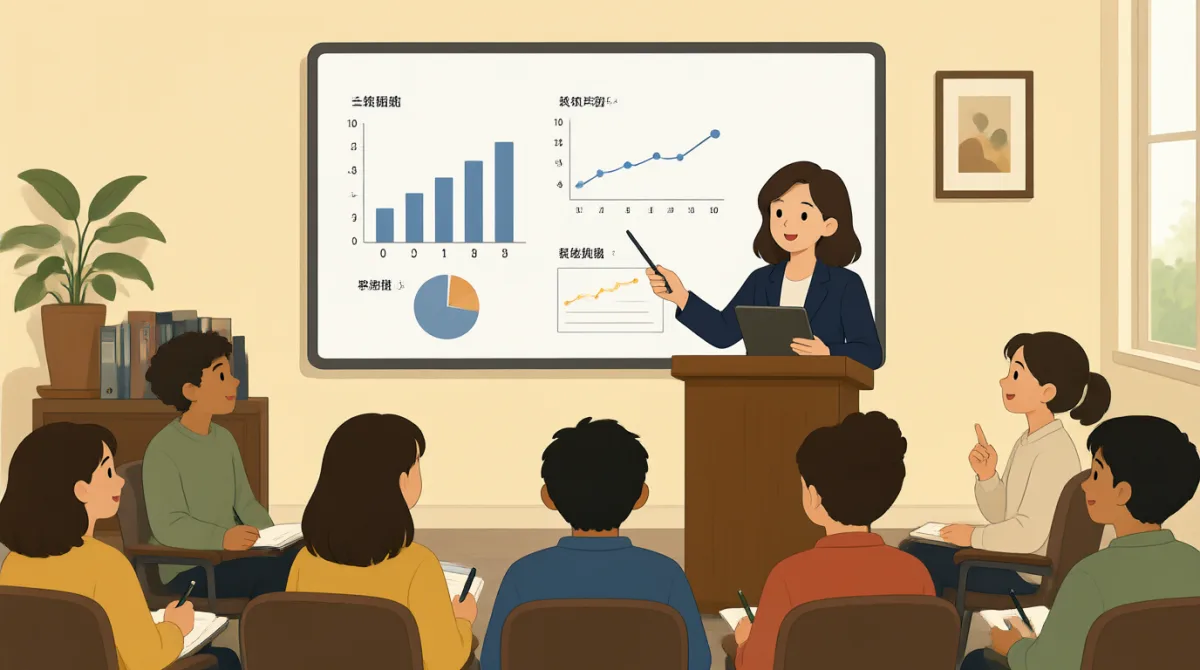

Good morning, everyone. To start, I'd like to present some key findings from Dr. Anya Sharma's recent econometric analysis on the proposed universal basic income policy. Her data clearly indicates a 1.5% decrease in the national poverty rate over a five-year projection.
صباح الخير جميعًا. أود أن أبدأ بعرض بعض النتائج الرئيسية من التحليل الاقتصادي القياسي الذي أجرته الدكتورة أنيا شارما مؤخرًا بشأن سياسة الدخل الأساسي الشامل المقترحة. وتشير بياناتها بوضوح إلى انخفاض معدل الفقر الوطني بنسبة 1.5% خلال إسقاطات تمتد لخمس سنوات.

Thank you, Dr. Miller. Could you elaborate on the methodology Dr. Sharma employed? Specifically, what counterfactuals were used to isolate the UBI's impact from other economic variables?
شكرًا لك، دكتور ميلر. هل يمكنك أن توضح أكثر المنهجية التي اتبعتها الدكتورة شارما؟ وتحديدًا، ما السيناريوهات الافتراضية المضادة التي استُخدمت لعزل أثر الدخل الأساسي الشامل عن المتغيرات الاقتصادية الأخرى؟
Certainly. Her study utilized a difference-in-differences approach, comparing a control group in a region without UBI implementation to the target areas. Furthermore, they controlled for macroeconomic trends like inflation and employment rates.
بالتأكيد. استخدمت دراستها منهج الفروق في الفروق، إذ قارنت مجموعة ضابطة في منطقة لم يُطبَّق فيها الدخل الأساسي الشامل بالمناطق المستهدفة. كما ضبط الباحثون تأثير الاتجاهات الاقتصادية الكلية، مثل التضخم ومعدلات التوظيف.

While statistical significance is important, I'd like to draw your attention to a qualitative aspect. We interviewed 50 low-income families in a pilot UBI program. Over 70% reported reduced stress and improved household stability, which isn't always captured by economic models.
على الرغم من أهمية الدلالة الإحصائية، أود أن ألفت انتباهكم إلى جانب نوعي. أجرينا مقابلات مع 50 أسرة منخفضة الدخل ضمن برنامج تجريبي للدخل الأساسي الشامل. وأفاد أكثر من 70% منهم بانخفاض التوتر وتحسن استقرار الأسرة، وهي أمور لا ترصدها النماذج الاقتصادية دائمًا.

That's a valuable point. However, looking at the full spectrum of data, the cost-benefit analysis from the Treasury's report projects a significant increase in national debt—around 0.8% of GDP annually. How do we reconcile the positive social outcomes with these fiscal realities?
هذه نقطة مهمة. لكن، إذا نظرنا إلى مجمل البيانات، فإن تحليل التكلفة والمنفعة الوارد في تقرير وزارة الخزانة يتوقع زيادة كبيرة في الدين الوطني، بنحو 0.8% من الناتج المحلي الإجمالي سنويًا. فكيف نوفّق بين النتائج الاجتماعية الإيجابية وهذه الحقائق المالية؟
That Treasury projection, if I may interject, has been criticized for not fully accounting for potential long-term savings. For instance, the projected reduction in crime rates and healthcare costs, as evidenced by similar programs in Finland and Canada, could offset a portion of that initial outlay.
هذا التوقع الصادر عن وزارة الخزانة، إذا سمحتم لي بالمداخلة، تعرّض لانتقادات لأنه لا يأخذ المدخرات المحتملة على المدى الطويل في الحسبان بالكامل. فعلى سبيل المثال، قد يعوّض جزءًا من الإنفاق الأولي الانخفاض المتوقع في معدلات الجريمة وتكاليف الرعاية الصحية، كما تُظهر برامج مماثلة في فنلندا وكندا.
Indeed, those are external validities worth considering. Dr. Wilson, your research focused on labor market participation post-UBI. What do your findings suggest regarding the 'disincentive to work' argument?
صحيح، وهذه أمور تتعلق بمدى قابلية تعميم النتائج، ومن الجدير أخذها في الاعتبار. دكتور ويلسون، ركز بحثك على المشاركة في سوق العمل بعد تطبيق الدخل الأساسي الشامل. ماذا تشير نتائجك بشأن الحجة القائلة إنه «يثبط الرغبة في العمل»؟
Our longitudinal study, spanning three years, observed no significant decrease in full-time employment among UBI recipients. In fact, many leveraged the stability to pursue higher education or vocational training, leading to upward mobility rather than withdrawal from the workforce. The data doesn't support the disincentive claim.
لم ترصد دراستنا الطولية، التي امتدت ثلاث سنوات، أي انخفاض ملحوظ في التوظيف بدوام كامل بين المستفيدين من الدخل الأساسي الشامل. بل استفاد كثيرون من الاستقرار لمتابعة التعليم العالي أو التدريب المهني، ما أتاح لهم الارتقاء اجتماعيًا ومهنيًا بدلًا من الانسحاب من سوق العمل. ولا تدعم البيانات الادعاء بأنه يثبط الرغبة في العمل.
That's compelling evidence. So, if we look at the combined qualitative and quantitative data, it suggests the financial concerns, while real, might be partially mitigated by broader societal benefits that are harder to quantify upfront.
هذا دليل مقنع. إذن، إذا نظرنا إلى البيانات النوعية والكمية مجتمعة، نرى أن المخاوف المالية، على الرغم من واقعيتها، قد تخفف من حدتها جزئيًا فوائد اجتماعية أوسع يصعب قياسها مسبقًا.
المفردات10
- elaborateيوضّح بالتفصيل
To explain something in more detail. Use it when you want someone to provide additional information in a discussion.
أن تشرح شيئًا بمزيد من التفصيل. تُستخدم الكلمة عندما تريد من شخص أن يقدم معلومات إضافية في نقاش.
- methodologyمنهجية
The methods or techniques used in a research study. It's a formal word often used in academic or professional talks about how data was collected.
الأساليب أو التقنيات المستخدمة في دراسة بحثية. وهي كلمة رسمية تُستخدم كثيرًا في الأحاديث الأكاديمية أو المهنية لوصف كيفية جمع البيانات.
- counterfactualsسيناريوهات افتراضية مضادة
Hypothetical scenarios that show what might have happened without a certain action or policy. Useful in debates to discuss 'what if' situations in data analysis.
سيناريوهات افتراضية تبيّن ما كان يمكن أن يحدث في غياب إجراء أو سياسة معينة. وهي مفيدة في النقاشات لطرح أسئلة من قبيل «ماذا لو؟» عند تحليل البيانات.
- control groupمجموعة ضابطة
A group in an experiment that does not receive the treatment, used for comparison. Common in scientific discussions to explain research design.
مجموعة لا تتلقى التدخل في تجربة ما، وتُستخدم للمقارنة. ويشيع المصطلح في النقاشات العلمية عند شرح تصميم البحث.
- qualitativeنوعي
Relating to qualities or descriptions, not numbers, like opinions or experiences. Contrast it with 'quantitative' for non-numerical data in debates.
ما يتعلق بالصفات أو الأوصاف لا بالأرقام، مثل الآراء أو التجارب. قارِن هذه الكلمة بـ 'quantitative' عند الحديث عن البيانات غير الرقمية في النقاشات.
- longitudinal studyدراسة طولية
A research method that follows the same subjects over a long period to observe changes. Useful for discussing ongoing research in policy talks.
منهج بحثي يتابع الأشخاص أنفسهم على مدى فترة طويلة لرصد التغيرات. وهو مفيد عند الحديث عن البحوث المستمرة في مناقشات السياسات.
- disincentiveعامل مثبِّط
Something that discourages or reduces motivation to do something, like work. Often used in economic debates about policies affecting behavior.
شيء يثني عن القيام بأمر ما أو يقلل الحافز إليه، مثل العمل. ويشيع استخدامه في النقاشات الاقتصادية حول السياسات التي تؤثر في السلوك.
- compellingمقنع
Very convincing or persuasive. Use it to describe strong evidence or arguments in discussions to show agreement on its power.
قوي الحجّة أو شديد الإقناع. استخدمها لوصف الأدلة أو الحجج القوية في النقاشات، وللإقرار بقوتها.
- mitigateيخفف
To make something less severe or harmful. Practical in debates when discussing how to reduce negative effects of a policy.
أن يجعل شيئًا أقل حدة أو ضررًا. وهي كلمة مناسبة في النقاشات عند الحديث عن الحد من الآثار السلبية لسياسة ما.
- interjectيقاطع للمداخلة
To interrupt a conversation to add a comment. Polite way to say something during someone else's turn in a formal discussion.
أن تقاطع الحديث لتضيف تعليقًا. وهي طريقة مهذبة للتحدث أثناء دور شخص آخر في نقاش رسمي.
الجمل الأساسية8
- 1
Could you elaborate on the methodology Dr. Sharma employed?
هل يمكنك أن توضح أكثر المنهجية التي اتبعتها الدكتورة شارما؟
This is a polite way to ask for more details about a method used. Useful in debates or meetings to seek clarification; it uses 'could you' for politeness and 'elaborate on' to mean explain further.
هذه طريقة مهذبة لطلب مزيد من التفاصيل عن منهجية مستخدمة. وهي مفيدة في النقاشات أو الاجتماعات لطلب الإيضاح؛ إذ تضفي عبارة 'could you' طابعًا مهذبًا، وتعني 'elaborate on' أن تشرح بمزيد من التفصيل.
- 2
Certainly. Her study utilized a difference-in-differences approach...
بالتأكيد. استخدمت دراستها منهج الفروق في الفروق...
A formal response agreeing to explain something. 'Certainly' means 'of course' politely; 'utilized' is a synonym for 'used,' showing academic language for describing research methods.
هذا رد رسمي بالموافقة على شرح أمر ما. تعني 'Certainly' «بالتأكيد» بأسلوب مهذب، و' utilized' مرادف لـ 'used' وتُظهر لغة أكاديمية لوصف أساليب البحث.
- 3
While statistical significance is important, I'd like to draw your attention to a qualitative aspect.
على الرغم من أهمية الدلالة الإحصائية، أود أن ألفت انتباهكم إلى جانب نوعي.
This transitions from one point to another by acknowledging agreement first ('while'). Useful for introducing a new idea in debates; 'draw your attention to' means to focus on something specific.
تنتقل هذه العبارة من نقطة إلى أخرى مع الإقرار أولًا بالنقطة السابقة عبر 'while'. وهي مفيدة لطرح فكرة جديدة في النقاشات؛ وتعني 'draw your attention to' توجيه الانتباه إلى أمر محدد.
- 4
How do we reconcile the positive social outcomes with these fiscal realities?
فكيف نوفّق بين النتائج الاجتماعية الإيجابية وهذه الحقائق المالية؟
A question to connect opposing ideas. 'Reconcile' means to make compatible; great for policy discussions to challenge or explore balance between benefits and costs.
سؤال يربط بين فكرتين متعارضتين. تعني 'reconcile' التوفيق بين أمرين وجعلهما متوافقين؛ وهي مفيدة في مناقشات السياسات لاستكشاف التوازن بين المنافع والتكاليف أو التشكيك فيه.
- 5
That Treasury projection, if I may interject, has been criticized for not fully accounting for potential long-term savings.
هذا التوقع الصادر عن وزارة الخزانة، إذا سمحتم لي بالمداخلة، تعرّض لانتقادات لأنه لا يأخذ المدخرات المحتملة على المدى الطويل في الحسبان بالكامل.
Polite interruption with 'if I may interject.' Useful in group talks to add a counterpoint; it shows respect while inserting your view, common in formal debates.
مقاطعة مهذبة باستخدام 'if I may interject'. وهي مفيدة في النقاشات الجماعية لإضافة رأي مخالف؛ إذ تُظهر الاحترام عند طرح وجهة نظرك، ويشيع استخدامها في المناظرات الرسمية.
- 6
What do your findings suggest regarding the 'disincentive to work' argument?
ماذا تشير نتائجك بشأن الحجة القائلة إنه «يثبط الرغبة في العمل»؟
Asks for implications of research on a specific topic. 'Regarding' means 'about'; this structure is practical for academic Q&A, using quotes for key terms.
يسأل هذا السؤال عن دلالات البحث بشأن موضوع محدد. تعني 'regarding' «بشأن»؛ وهذا التركيب عملي في جلسات الأسئلة والأجوبة الأكاديمية، وتُستخدم فيه علامات الاقتباس للمصطلحات الأساسية.
- 7
The data doesn't support the disincentive claim.
لا تدعم البيانات الادعاء بأنه يثبط الرغبة في العمل.
A clear conclusion based on evidence. Simple present tense for general truths; useful to refute an argument in debates, emphasizing facts over opinions.
هذا استنتاج واضح يستند إلى الأدلة. استُخدم المضارع البسيط للتعبير عن حقيقة عامة؛ والعبارة مفيدة لدحض حجة في النقاشات والتأكيد على الحقائق بدلًا من الآراء.
- 8
So, if we look at the combined qualitative and quantitative data, it suggests the financial concerns might be partially mitigated by broader societal benefits.
إذن، إذا نظرنا إلى البيانات النوعية والكمية مجتمعة، نرى أن المخاوف المالية قد تخفف من حدتها جزئيًا فوائد اجتماعية أوسع.
Summarizes by combining ideas with 'so' and conditional 'if.' 'Mitigated by' explains reduction; ideal for wrapping up discussions, showing balanced analysis.
تلخّص هذه العبارة النقاش بربط الأفكار باستخدام 'so' والشرط 'if'. ويعبّر التركيب 'mitigated by' عن التخفيف بفعل شيء ما؛ وهو مناسب لاختتام النقاشات وإظهار تحليل متوازن.