Morning Greetings & Current Weather
تحيات الصباح والطقس الحالي
Two individuals greet each other in the morning and make a brief comment or question about the current weather outside, e.g., 'Nice day, isn't it?' or 'Is it raining out there?'
يتبادل شخصان التحية صباحًا، ثم يعلّق أحدهما باختصار على الطقس في الخارج أو يسأل عنه، مثل: «يوم جميل، أليس كذلك؟» أو «هل تمطر في الخارج؟»
حوار6
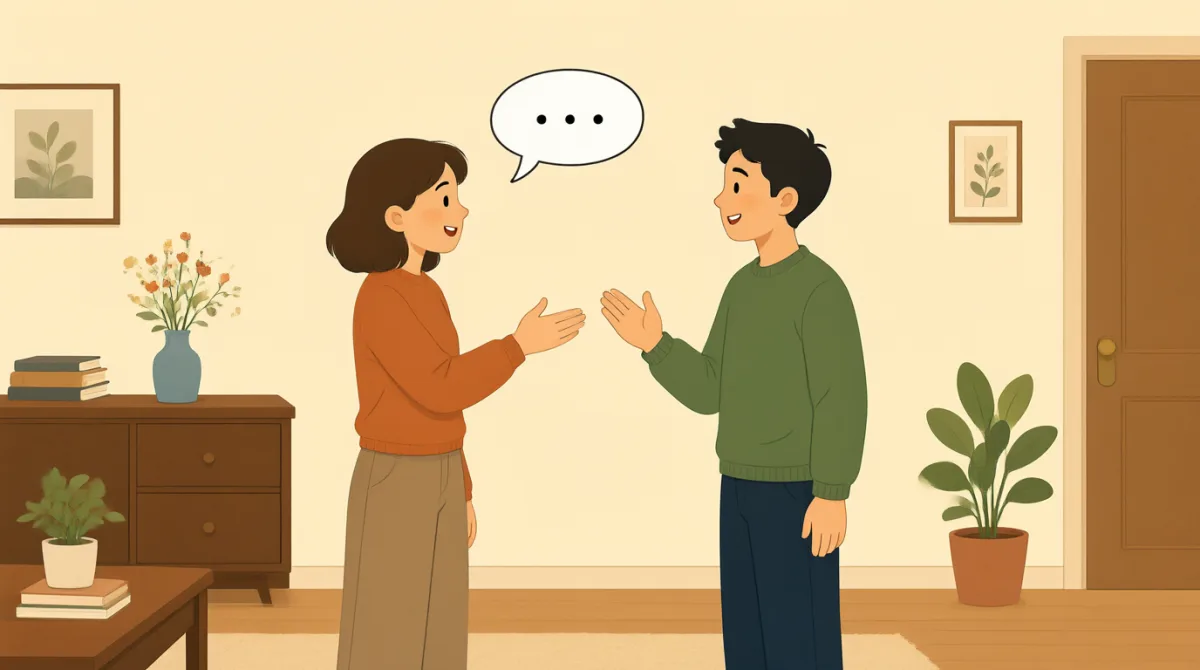

Good morning! Wow, it's really beautiful out today, isn't it?
صباح الخير! واو، الطقس جميل حقًا اليوم، أليس كذلك؟

Good morning! It really is! I was just thinking the same thing. Perfect for a walk.
صباح الخير! أجل، جميل حقًا! كنت أفكر في الأمر نفسه للتو. إنه مثالي للتنزه.
Definitely. It feels much warmer than yesterday, too. Did you check the forecast?
بالتأكيد. والجو أدفأ بكثير من أمس أيضًا. هل تحققت من النشرة الجوية؟
I did, briefly. It said mostly sunny all day, with temperatures reaching the mid-70s. Looks like a great day ahead.
نعم، ألقيت عليها نظرة سريعة. ذكرت أن السماء ستكون مشمسة غالبًا طوال اليوم، وأن درجات الحرارة ستصل إلى منتصف السبعينيات. يبدو أن يومًا رائعًا ينتظرنا.
Oh, that's fantastic news! I guess I won't need my umbrella today then.
أوه، هذا خبر رائع! أظن أنني لن أحتاج إلى مظلتي اليوم إذن.
Nope, no need for it. Just sunshine and blue skies!
كلا، لا حاجة إليها. فقط شمس وسماء زرقاء!
المفردات6
- beautifulجميل
Means very nice to look at or pleasant, often used to describe good weather like a sunny day. In weather chats, say 'It's beautiful out' to mean the weather is lovely.
تعني أن الشيء حسن المنظر أو لطيف للغاية، وتُستخدم كثيرًا لوصف الطقس الجميل، مثل يوم مشمس. في الحديث عن الطقس، يمكنك قول 'It's beautiful out' (الطقس جميل في الخارج) للتعبير عن روعة الطقس.
- forecastالنشرة الجوية
A prediction of future weather conditions. Use it when asking about the weather report, like 'What's the forecast for tomorrow?'
هي توقعات أحوال الطقس في المستقبل. استخدمها عندما تسأل عن تقرير الطقس، مثل 'What's the forecast for tomorrow?' (ما توقعات الطقس ليوم غد؟).
- sunnyمشمس
Describes weather with a lot of sunshine and no clouds. It's a common word in daily conversations, e.g., 'It's sunny today.'
تصف طقسًا تكثر فيه أشعة الشمس وتغيب عنه الغيوم. وهي كلمة شائعة في المحادثات اليومية، مثل 'It's sunny today.' (الجو مشمس اليوم).
- warmerأدفأ
The comparative form of 'warm,' meaning having a higher temperature. Compare weather days by saying 'It's warmer today than yesterday.'
هي صيغة المقارنة من 'warm'، وتعني أن درجة الحرارة أعلى. يمكنك مقارنة الطقس بين يومين بقول 'It's warmer today than yesterday.' (الجو أدفأ اليوم منه أمس).
- umbrellaمظلّة
An object used to protect from rain or sun. In weather talks, mention it when expecting rain, like 'I need my umbrella.'
شيء يُستخدم للوقاية من المطر أو الشمس. في الحديث عن الطقس، اذكرها عندما تتوقع هطول المطر، مثل 'I need my umbrella.' (أحتاج إلى مظلتي).
- sunshineأشعة الشمس
Direct light from the sun, often used positively for good weather. Say 'Enjoy the sunshine!' to express happiness about clear skies.
ضوء الشمس المباشر، وغالبًا ما تُستخدم الكلمة بإيجابية لوصف الطقس الجميل. قل 'Enjoy the sunshine!' (استمتع بأشعة الشمس!) للتعبير عن سرورك بالسماء الصافية.
الجمل الأساسية6
- 1
Good morning! Wow, it's really beautiful out today, isn't it?
صباح الخير! واو، الطقس جميل حقًا اليوم، أليس كذلك؟
This is a friendly morning greeting with a tag question 'isn't it?' to seek agreement. It's useful for starting casual chats about the weather; the 'wow' adds excitement. Use it to comment positively on the current day.
هذه تحية صباحية ودودة تتضمن سؤالًا تأكيديًا هو 'isn't it?' لطلب الموافقة. وهي مفيدة لبدء حديث عفوي عن الطقس، وتضيف كلمة 'wow' إحساسًا بالحماس. استخدمها للتعليق بإيجابية على طقس اليوم.
- 2
It really is! I was just thinking the same thing.
أجل، جميل حقًا! كنت أفكر في الأمر نفسه للتو.
Agrees strongly with 'It really is' and shares a similar thought. This pattern builds rapport in conversations. Use it when someone says something you agree with, like weather comments, to keep the talk flowing.
تعبّر عبارة 'It really is' عن الموافقة القوية، ثم يشارك المتحدث فكرة مشابهة. يساعد هذا الأسلوب على إيجاد جو من الألفة في المحادثة. استخدمه عندما يقول أحدهم شيئًا توافقه عليه، مثل تعليق عن الطقس، لمواصلة الحديث بسلاسة.
- 3
It feels much warmer than yesterday, too.
والجو أدفأ بكثير من أمس أيضًا.
Compares current weather to the past using 'warmer than' and 'too' for addition. This shows comparative adjectives in action. Useful for discussing weather changes; say it to note improvements in temperature.
تقارن هذه العبارة الطقس الحالي بالماضي باستخدام 'warmer than'، وتضيف 'too' معلومة أخرى. وهي توضح استخدام صفات المقارنة. تفيد في الحديث عن تغير الطقس؛ استخدمها للإشارة إلى تحسن درجة الحرارة.
- 4
Did you check the forecast?
هل تحققت من النشرة الجوية؟
A simple past tense question to ask if someone looked at the weather prediction. It's a common way to continue weather talks. Use this question to share or get info about upcoming weather.
سؤال بسيط بصيغة الماضي يسأل عمّا إذا كان شخص ما قد اطّلع على توقعات الطقس. وهو أسلوب شائع لمواصلة الحديث عن الطقس. استخدم هذا السؤال لتبادل معلومات عن الطقس المقبل أو للحصول عليها.
- 5
It said mostly sunny all day, with temperatures reaching the mid-70s.
ذكرت أن السماء ستكون مشمسة غالبًا طوال اليوم، وأن درجات الحرارة ستصل إلى منتصف السبعينيات.
Reports weather details using future predictions. 'Mostly sunny' means partly cloudy but bright; 'reaching the mid-70s' describes temperature range. Practical for summarizing forecasts; use when explaining what the weather app shows.
تعرض العبارة تفاصيل عن توقعات الطقس. تعني 'Mostly sunny' أن الجو مشمس مع بعض الغيوم، أما 'reaching the mid-70s' فتشير إلى درجات حرارة في منتصف السبعينيات. تفيد العبارة في تلخيص توقعات الطقس؛ استخدمها لشرح ما يظهره تطبيق الطقس.
- 6
Oh, that's fantastic news! I guess I won't need my umbrella today then.
أوه، هذا خبر رائع! أظن أنني لن أحتاج إلى مظلتي اليوم إذن.
Expresses positive surprise with 'Oh, that's fantastic' and a conclusion 'I guess... then.' The future 'won't need' shows prediction. Use this to react happily to good weather and adjust plans, like not bringing rain gear.
تعبّر عبارة 'Oh, that's fantastic' عن المفاجأة السارة، ثم تأتي عبارة 'I guess... then' لتقديم استنتاج. ويشير التعبير 'won't need' إلى توقع مستقبلي. استخدم هذه العبارة للتفاعل بسعادة مع الطقس الجميل وتعديل خططك، مثل الاستغناء عن أخذ أدوات المطر.