Morning Greetings & Small Talk
सुबह का अभिवादन और हल्की-फुल्की बातचीत
Exchanging simple 'good mornings' and brief pleasantries with a neighbor while getting mail or walking a pet.
डाक लेते या पालतू जानवर को घुमाते समय पड़ोसी से सुबह का अभिवादन और थोड़ी-सी बातचीत करना।
संवाद10
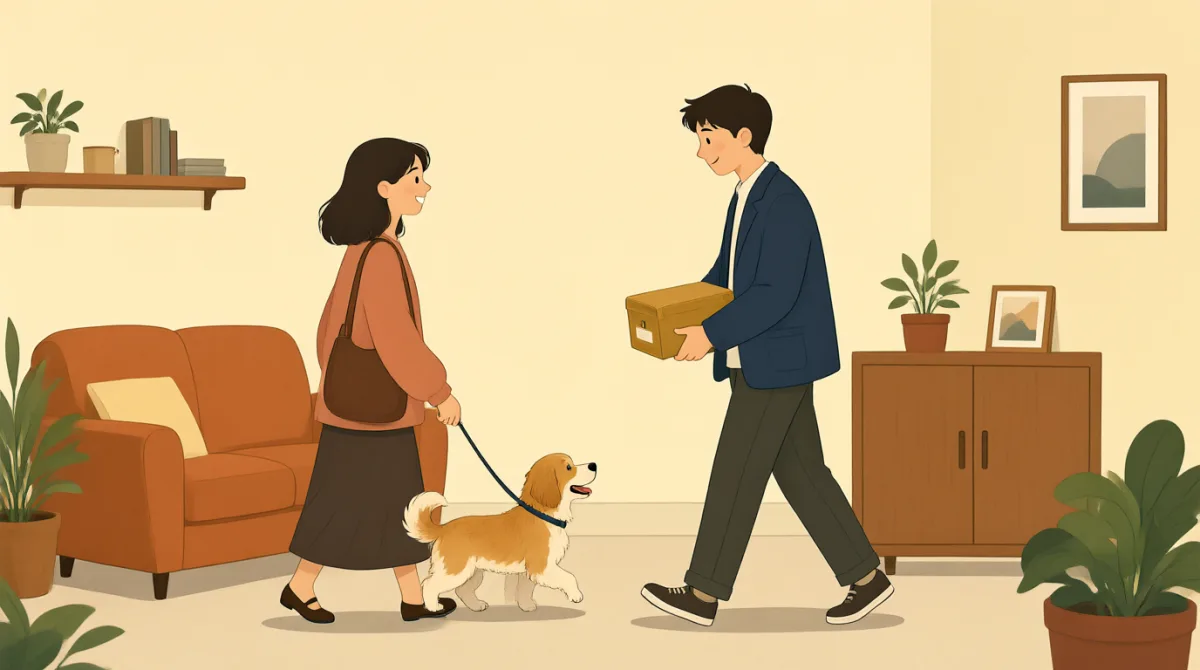

Good morning, Jack! Lovely day, isn't it?
सुप्रभात, जैक! कितना सुहावना दिन है, है न?

Morning, Emma! It really is. Just getting the mail before the heat hits.
सुप्रभात, एमा! सच में। गर्मी बढ़ने से पहले बस डाक लेने आया हूँ।
Tell me about it! I'm just out walking Buster. He loves these cooler mornings.
सच कह रहे हो! मैं बस बस्टर को घुमाने निकली हूँ। उसे ये ठंडी-ठंडी सुबहें बहुत पसंद हैं।
Oh, Buster! Hey there, boy. Still got that boundless energy, I see.
अरे, बस्टर! अरे भई, कैसे हो? लगता है, तुम्हारी ऊर्जा अब भी कमाल की है।
You know it! So, any plans for the weekend?
बिल्कुल! तो, वीकेंड के लिए कोई योजना है?
Not much, just some yard work. You?
कुछ खास नहीं, बस आँगन के थोड़े-बहुत काम करने हैं। तुम्हारा क्या प्लान है?
Thinking of checking out that new coffee shop down the street. Heard it's pretty good.
सोच रही हूँ कि गली के उस नए कॉफ़ी शॉप को देख आऊँ। सुना है, वहाँ की कॉफ़ी काफ़ी अच्छी है।
Oh, right! I've been meaning to try it too. Let me know what you think.
अरे, हाँ! मैं भी काफ़ी समय से वहाँ जाने की सोच रहा हूँ। वहाँ जाओ तो बताना, तुम्हें कैसा लगा।
Will do! Well, I should probably get Buster back home before it gets too warm. Have a great day, Jack!
ज़रूर! अच्छा, शायद मुझे बस्टर को घर ले जाना चाहिए, इससे पहले कि ज़्यादा गर्मी हो जाए। तुम्हारा दिन अच्छा बीते, जैक!
You too, Emma! Take care.
तुम्हारा भी, एमा! अपना ख़याल रखना।
शब्दावली10
- lovelyसुहावना
An adjective meaning very nice or pleasant, often used for weather or situations to start a positive conversation with neighbors.
यह विशेषण किसी बहुत अच्छी या मनभावन चीज़ के लिए इस्तेमाल होता है। पड़ोसियों से मौसम या किसी स्थिति के बारे में सकारात्मक बातचीत शुरू करने के लिए यह खूब काम आता है।
- heatगर्मी
Refers to high temperature; in 'before the heat hits,' it means before the day gets too hot, common in casual talk about weather.
इसका मतलब है ऊँचा तापमान। 'before the heat hits' का अर्थ है दिन में बहुत गर्मी पड़ने से पहले। मौसम की अनौपचारिक बातचीत में यह आम है।
- mailडाक
Letters, packages, or bills delivered to your home; 'getting the mail' is a daily routine many people do in the morning.
घर पर पहुँचाए जाने वाले ख़त, पार्सल या बिल। 'getting the mail' का मतलब है डाक लेना—सुबह की एक आम दिनचर्या।
- walkingघुमाने ले जाना
Taking a pet outside for exercise; 'walking Buster' shows how to talk about daily pet care in neighborhood chats.
किसी पालतू जानवर को व्यायाम के लिए बाहर ले जाना। 'walking Buster' बताता है कि पड़ोसियों से रोज़मर्रा में पालतू जानवर की देखभाल के बारे में कैसे बात करें।
- boundlessअसीम
Meaning unlimited or endless; 'boundless energy' describes a pet's high liveliness, useful for complimenting animals or people.
इसका अर्थ है जिसकी कोई सीमा न हो या जो कभी खत्म न हो। 'boundless energy' किसी पालतू जानवर की भरपूर चंचलता बताता है। यह जानवरों या लोगों की तारीफ़ करने के लिए उपयोगी है।
- yard workआँगन के काम
Tasks like mowing grass or gardening in your home's outdoor area; it's a common weekend activity in suburban neighborhoods.
घर के बाहर की जगह में किए जाने वाले काम, जैसे घास काटना या बाग़वानी करना। उपनगरीय इलाक़ों में वीकेंड पर ऐसे काम करना आम है।
- checking outदेखने जाना
Informal phrase for visiting or trying something new, like a place; 'checking out that new coffee shop' is great for suggesting local spots.
किसी नई जगह पर जाने या कोई नई चीज़ आज़माने के लिए इस्तेमाल होने वाला अनौपचारिक वाक्यांश। 'checking out that new coffee shop' कहकर आप आस-पड़ोस की नई जगहों पर जाने का सुझाव दे सकते हैं।
- been meaning toकाफ़ी समय से करने की सोचना
Means you have wanted or planned to do something for a while but haven't yet; shows shared interests in small talk.
इसका मतलब है कि आप कुछ समय से कोई काम करना चाहते या करने की योजना बना रहे हैं, लेकिन अभी तक किया नहीं है। हल्की-फुल्की बातचीत में इससे साझा रुचियों का पता चलता है।
- let me knowमुझे बताना
A polite way to ask someone to inform you later; useful for keeping conversations open and building neighborly relationships.
किसी से बाद में जानकारी देने के लिए कहने का एक विनम्र तरीका। बातचीत को आगे जारी रखने और पड़ोसियों से अच्छे संबंध बनाने में यह काम आता है।
- take careअपना ख़याल रखना
A friendly goodbye meaning 'be safe' or 'look after yourself'; common in casual farewells with acquaintances like neighbors.
दोस्ताना विदाई, जिसका मतलब है 'सुरक्षित रहना' या 'अपना ध्यान रखना'। पड़ोसियों जैसे परिचित लोगों से विदा लेते समय यह आम तौर पर कहा जाता है।
मुख्य वाक्य10
- 1
Good morning, Jack! Lovely day, isn't it?
सुप्रभात, जैक! कितना सुहावना दिन है, है न?
A greeting to start the day positively; 'isn't it?' is a tag question that invites agreement, useful for friendly small talk with neighbors about weather.
दिन की शुरुआत सकारात्मक ढंग से करने वाला अभिवादन। 'isn't it?' एक टैग प्रश्न है, जो सामने वाले को सहमति जताने का न्योता देता है। मौसम के बारे में पड़ोसियों से दोस्ताना बातचीत में यह उपयोगी है।
- 2
Just getting the mail before the heat hits.
गर्मी बढ़ने से पहले बस डाक लेने आया हूँ।
Explains a quick errand; 'before the heat hits' uses future implication for timing, practical for sharing daily routines in morning chats.
यह एक छोटा-सा काम करने जाने की बात बताता है। 'before the heat hits' समय बताने के लिए आने वाली गर्मी का ज़िक्र करता है। सुबह की बातचीत में रोज़मर्रा की दिनचर्या साझा करने के लिए यह उपयोगी है।
- 3
Tell me about it!
सच कह रहे हो!
An idiomatic response meaning 'I agree completely' or 'I know exactly what you mean'; great for showing empathy in casual conversations about shared experiences like weather.
यह एक मुहावरेदार जवाब है, जिसका मतलब है 'मैं पूरी तरह सहमत हूँ' या 'मैं समझ रहा हूँ कि तुम क्या कहना चाहते हो।' मौसम जैसी साझा बातों पर बातचीत में सहानुभूति जताने के लिए यह बढ़िया है।
- 4
I'm just out walking Buster. He loves these cooler mornings.
मैं बस बस्टर को घुमाने निकली हूँ। उसे ये ठंडी-ठंडी सुबहें बहुत पसंद हैं।
Describes a current activity; 'just out' means simply or only, and it shares pet details to keep talk light and relatable for community interactions.
यह बताता है कि कोई अभी क्या कर रहा है। 'just out' का मतलब है बस या केवल बाहर निकला होना। पालतू जानवर के बारे में बताने से समुदाय के लोगों के बीच बातचीत हल्की-फुल्की और जुड़ाव भरी रहती है।
- 5
Still got that boundless energy, I see.
लगता है, तुम्हारी ऊर्जा अब भी कमाल की है।
A compliment on something ongoing; 'I see' adds observation, useful for engaging with neighbors' pets or kids in a fun way.
यह किसी ऐसी बात की तारीफ़ है जो अब भी बनी हुई है। 'I see' किसी बात पर ध्यान देने या उसे देखने का एहसास जोड़ता है। पड़ोसियों के पालतू जानवरों या बच्चों से जुड़ने का यह मज़ेदार तरीका है।
- 6
So, any plans for the weekend?
तो, वीकेंड के लिए कोई योजना है?
Transitions to future talk; 'any plans' is open-ended to encourage sharing, a common way to build rapport in neighborhood small talk.
यह बातचीत को आने वाले समय की ओर ले जाता है। 'any plans' एक खुला सवाल है, जिससे सामने वाले को अपनी बातें साझा करने का मौका मिलता है। पड़ोसियों के बीच अच्छे संबंध बनाने के लिए ऐसी हल्की-फुल्की बातचीत आम है।
- 7
Thinking of checking out that new coffee shop down the street.
सोच रही हूँ कि गली के उस नए कॉफ़ी शॉप को देख आऊँ।
Shares an intention; 'thinking of' expresses consideration, and 'down the street' specifies location, helpful for discussing local events or places.
इससे आप अपना इरादा बताते हैं। 'thinking of' किसी काम को करने पर विचार करने का भाव देता है, जबकि 'down the street' जगह बताता है। आसपास की जगहों या कार्यक्रमों के बारे में बात करते समय ये उपयोगी हैं।
- 8
Let me know what you think.
वहाँ जाओ तो बताना, तुम्हें कैसा लगा।
Requests feedback politely; simple future request form, ideal for maintaining friendly connections by following up on shared interests.
यह विनम्रता से किसी की राय या प्रतिक्रिया माँगता है। अनुरोध करने का यह सरल तरीका साझा रुचियों के बारे में बाद में फिर बात करके अच्छे संबंध बनाए रखने में मदद करता है।
- 9
Well, I should probably get Buster back home before it gets too warm.
अच्छा, शायद मुझे बस्टर को घर ले जाना चाहिए, इससे पहले कि ज़्यादा गर्मी हो जाए।
A polite way to end the chat; 'should probably' softens the need, and 'before it gets' uses future continuous for timing, common in wrapping up brief talks.
बातचीत खत्म करने का यह एक विनम्र तरीका है। 'should probably' ज़रूरत को थोड़ा नरम ढंग से जताता है, और 'before it gets' बताता है कि कोई काम किसी बदलाव से पहले करना है। छोटी बातचीत समेटते समय यह आम है।
- 10
You too, Emma! Take care.
तुम्हारा भी, एमा! अपना ख़याल रखना।
Mirrors a wish and adds goodbye; 'you too' reciprocates, making it reciprocal and warm for ending neighborly exchanges.
यह सामने वाले की शुभकामना का जवाब देता है और साथ में विदाई भी कहता है। 'you too' शुभकामना लौटाने का तरीका है, जिससे पड़ोसियों के बीच बातचीत का अंत दोस्ताना और आत्मीय लगता है।