Preparing for Publication/Conference
प्रकाशन या सम्मेलन के लिए तैयारी
Researchers discuss the best way to structure their findings, methods, and conclusions for a scientific paper or conference presentation, focusing on clarity, impact, and adherence to academic standards.
शोधकर्ता वैज्ञानिक शोधपत्र या सम्मेलन प्रस्तुति के लिए अपने निष्कर्षों, विधियों और निष्कर्षात्मक विचारों को व्यवस्थित करने के सर्वोत्तम तरीके पर चर्चा करते हैं। उनका ध्यान स्पष्टता, प्रभाव और अकादमिक मानकों के पालन पर है।
संवाद9
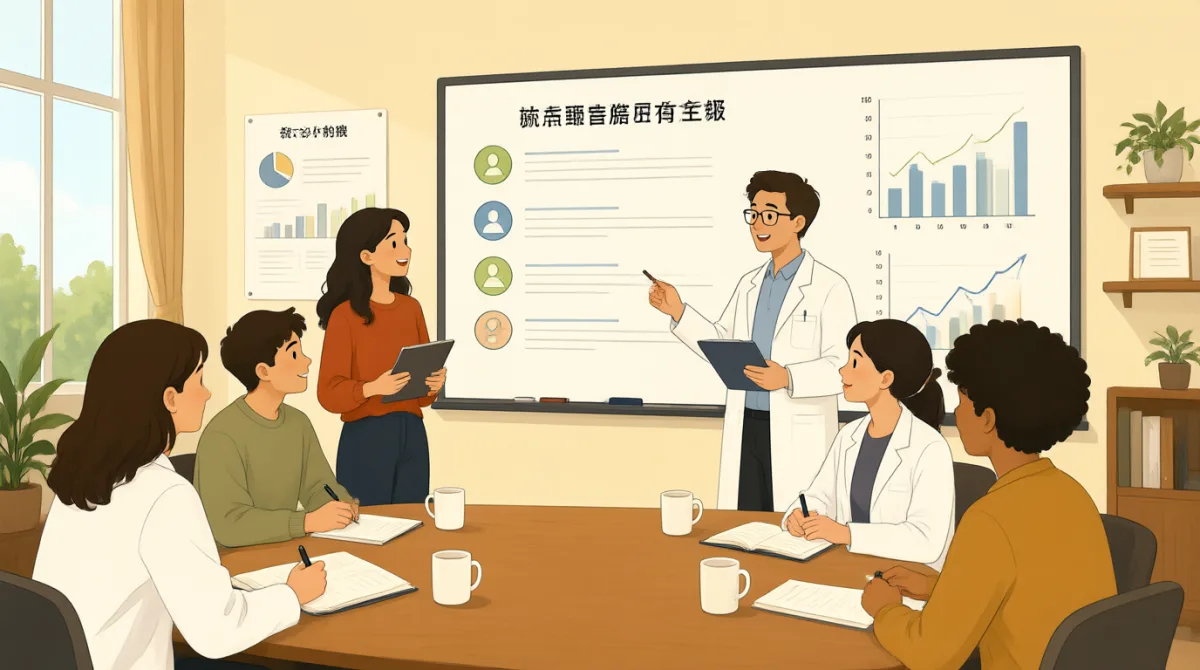

Alright team, with the data analysis wrapped up, we need to really focus on how we're presenting these findings. For the journal submission, clarity and impact are key.
ठीक है, टीम। डेटा का विश्लेषण पूरा हो चुका है, अब हमें इस बात पर खास ध्यान देना होगा कि हम इन निष्कर्षों को कैसे प्रस्तुत करेंगे। जर्नल में शोधपत्र भेजते समय स्पष्टता और प्रभाव सबसे अहम हैं।

I agree. I've been sketching out some ideas for the methodology section. Should we go into extensive detail on the statistical packages used, or keep it more concise and refer to supplementary material?
मैं सहमत हूँ। मैं विधि-विवरण वाले खंड के लिए कुछ विचारों की रूपरेखा बना रही हूँ। क्या हमें इस्तेमाल किए गए सांख्यिकीय सॉफ़्टवेयर पैकेजों का विस्तार से वर्णन करना चाहिए, या इसे संक्षिप्त रखकर पूरक सामग्री का संदर्भ देना चाहिए?
Good question, Emma. For the main paper, let's keep the methodology concise but comprehensive enough for replication. The nitty-gritty details can certainly go into an appendix or supplementary online material. We want to avoid overwhelming the reader.
अच्छा सवाल है, एमा। मुख्य शोधपत्र में विधि-विवरण को संक्षिप्त रखें, लेकिन इतना व्यापक ज़रूर कि दूसरे लोग अध्ययन को दोहरा सकें। बारीक विवरण परिशिष्ट या ऑनलाइन पूरक सामग्री में दिए जा सकते हैं। हम नहीं चाहते कि पाठक जानकारी से दब जाएँ।

And for the results section, how do we best highlight the most significant findings without burying them in raw data? Maybe a combination of well-designed figures and succinct narrative?
और परिणामों वाले खंड में, कच्चे डेटा के बीच दबाए बिना सबसे महत्वपूर्ण निष्कर्षों को बेहतर ढंग से कैसे उभारें? शायद अच्छी तरह बनाई गई आकृतियों और संक्षिप्त विवरण का मेल अच्छा रहेगा?
Absolutely, Mia. Visualizations are crucial. Let's aim for figures that are self-explanatory and tell a clear story. The narrative should then elaborate on the implications of those figures, connecting back to our hypotheses.
बिल्कुल, मिया। दृश्य प्रस्तुतियाँ बहुत अहम हैं। हमें ऐसी आकृतियाँ बनानी चाहिए जो अपने-आप में समझ में आएँ और एक स्पष्ट कहानी बताएँ। फिर विवरण में उन आकृतियों के निहितार्थ समझाएँ और उन्हें अपनी परिकल्पनाओं से जोड़ें।
Speaking of hypotheses, should we explicitly restate each one in the discussion section and then address it with our findings? It might make the argument clearer.
परिकल्पनाओं की बात आई है, तो क्या हमें चर्चा वाले खंड में हर परिकल्पना को साफ़ तौर पर फिर से बताकर, अपने निष्कर्षों के आधार पर उसका जवाब देना चाहिए? इससे तर्क शायद और स्पष्ट हो जाएगा।
That's a good approach, Emma. It demonstrates thoroughness and directly links your results back to the original research questions. It also helps with the flow of the discussion, moving from data to interpretation.
यह अच्छा तरीका है, एमा। इससे पता चलता है कि आपने विषय को पूरी तरह से समझा है और आपके परिणाम सीधे मूल शोध-प्रश्नों से जुड़ते हैं। इससे चर्चा का प्रवाह भी बेहतर होता है—डेटा से उसकी व्याख्या तक।
And for the conference presentation, we'll need to distill this even further. Maybe a focus on just the top three most impactful findings and how they contribute to the field?
और सम्मेलन प्रस्तुति के लिए हमें इसे और भी संक्षिप्त करना होगा। शायद सिर्फ़ तीन सबसे प्रभावशाली निष्कर्षों पर ध्यान दें और बताएँ कि वे इस क्षेत्र में कैसे योगदान देते हैं?
Exactly, Mia. The conference talk is about sparking interest and conveying the core message quickly. Less detail, more high-level takeaways. We can save the deeper dive for the Q&A session or direct follow-ups.
बिल्कुल, मिया। सम्मेलन में प्रस्तुति का मकसद लोगों की दिलचस्पी जगाना और मुख्य संदेश जल्दी पहुँचाना है। कम विवरण, और बड़े स्तर पर मुख्य बातें। गहराई से चर्चा हम सवाल-जवाब के सत्र या बाद की सीधी बातचीत के लिए रख सकते हैं।
शब्दावली8
- wrapped upपूरा हो जाना
This phrase means to finish or complete something, like a task. It's commonly used in professional settings to indicate that a stage of work is done.
इस वाक्यांश का मतलब है किसी काम को खत्म या पूरा कर लेना। पेशेवर माहौल में इसका इस्तेमाल अक्सर यह बताने के लिए होता है कि काम का कोई चरण पूरा हो गया है।
- clarityस्पष्टता
Clarity means being clear and easy to understand. In writing or speaking, especially in research, it helps readers follow your ideas without confusion.
स्पष्टता का मतलब है कि कोई बात साफ़ हो और आसानी से समझ में आए। शोध-लेखन या बातचीत में इससे पाठक आपके विचारों को बिना उलझन के समझ पाते हैं।
- impactप्रभाव
Impact refers to the strong effect or influence something has. In scientific papers, it means making your findings memorable and important to the audience.
Impact का मतलब है किसी चीज़ का गहरा असर या प्रभाव। वैज्ञानिक शोधपत्रों में इसका मतलब है कि आपके निष्कर्ष श्रोताओं के लिए यादगार और महत्वपूर्ण हों।
- methodologyकार्यविधि
Methodology is the section of a research paper that describes the methods and processes used in the study. It's key for showing how the research was done reliably.
Methodology शोधपत्र का वह खंड है जिसमें अध्ययन में इस्तेमाल की गई विधियों और प्रक्रियाओं का वर्णन होता है। यह दिखाने के लिए अहम है कि शोध विश्वसनीय तरीके से कैसे किया गया।
- conciseसंक्षिप्त
Concise means expressing ideas briefly without unnecessary words. It's useful in academic writing to keep readers engaged without overwhelming them.
Concise का मतलब है बिना गैरज़रूरी शब्दों के, कम शब्दों में अपने विचार व्यक्त करना। अकादमिक लेखन में इससे पाठक जुड़े रहते हैं और जानकारी से दबते नहीं।
- replicationपुनरावृत्ति
Replication means the ability to repeat an experiment or study to verify results. In science, it's important for ensuring findings are trustworthy.
Replication का मतलब है नतीजों की पुष्टि के लिए किसी प्रयोग या अध्ययन को दोहराने की क्षमता। विज्ञान में यह सुनिश्चित करने के लिए अहम है कि निष्कर्ष भरोसेमंद हैं।
- visualizationsदृश्य प्रस्तुतियाँ
Visualizations are charts, graphs, or images that represent data visually. They help explain complex information clearly in presentations or papers.
Visualizations ऐसे चार्ट, ग्राफ़ या चित्र होते हैं जो डेटा को दृश्य रूप में दिखाते हैं। ये प्रस्तुतियों या शोधपत्रों में जटिल जानकारी को स्पष्ट रूप से समझाने में मदद करते हैं।
- hypothesesपरिकल्पनाएँ
Hypotheses are educated guesses or predictions tested in research. In discussions, they connect back to what you expected to find.
Hypotheses ऐसे सोच-समझकर लगाए गए अनुमान या पूर्वानुमान होते हैं जिन्हें शोध में परखा जाता है। चर्चा में ये उस बात से जुड़ती हैं जिसकी आपने मिलने की उम्मीद की थी।
मुख्य वाक्य7
- 1
For the journal submission, clarity and impact are key.
जर्नल में शोधपत्र भेजते समय स्पष्टता और प्रभाव सबसे अहम हैं।
This sentence uses 'are key' to mean 'are the most important.' It's useful for emphasizing priorities in professional discussions, like in writing or presentations. Grammar: Simple present tense for general truths.
'are key' का अर्थ है 'सबसे महत्वपूर्ण हैं'। लेखन या प्रस्तुति जैसी पेशेवर चर्चाओं में प्राथमिकताओं पर ज़ोर देने के लिए यह वाक्यांश उपयोगी है। व्याकरण: सामान्य तथ्यों के लिए सरल वर्तमान काल।
- 2
Should we go into extensive detail on the statistical packages used, or keep it more concise and refer to supplementary material?
क्या हमें इस्तेमाल किए गए सांख्यिकीय सॉफ़्टवेयर पैकेजों का विस्तार से वर्णन करना चाहिए, या इसे संक्षिप्त रखकर पूरक सामग्री का संदर्भ देना चाहिए?
This is a yes/no question with alternatives using 'or.' It's practical for suggesting options in team meetings. It shows polite decision-making. Grammar: Question form with modal 'should' for advice.
यह 'or' का इस्तेमाल करके विकल्पों वाला हाँ-या-नहीं प्रश्न पूछता है। टीम की बैठकों में विकल्प सुझाने के लिए यह उपयोगी है और विनम्रता से फ़ैसला करने का तरीका दिखाता है। व्याकरण: सलाह माँगने के लिए modal 'should' वाला प्रश्न।
- 3
Let's keep the methodology concise but comprehensive enough for replication.
विधि-विवरण को संक्षिप्त रखें, लेकिन इतना व्यापक कि दूसरे लोग अध्ययन को दोहरा सकें।
This uses 'concise but comprehensive' to balance brevity and completeness. Useful in academic contexts to describe writing style. Grammar: Imperative 'let's' for suggestions in group settings.
'concise but comprehensive' का इस्तेमाल संक्षिप्तता और पूरी जानकारी के बीच संतुलन दिखाने के लिए होता है। अकादमिक संदर्भों में लेखन-शैली बताने के लिए यह उपयोगी है। व्याकरण: समूह में सुझाव देने के लिए 'let's' वाला आदेशात्मक रूप।
- 4
We want to avoid overwhelming the reader.
हम नहीं चाहते कि पाठक जानकारी से दब जाएँ।
This expresses a goal with 'want to avoid' for preventing something negative. Common in advice on communication to keep content reader-friendly. Grammar: Infinitive after 'want' for purpose.
'want to avoid' का इस्तेमाल किसी नकारात्मक चीज़ से बचने का लक्ष्य बताने के लिए होता है। पाठक के लिए सामग्री को सहज बनाए रखने की सलाह में यह आम है। व्याकरण: उद्देश्य बताने के लिए 'want' के बाद infinitive का प्रयोग।
- 5
Visualizations are crucial.
दृश्य प्रस्तुतियाँ बहुत अहम हैं।
This short sentence states importance with 'are crucial,' meaning 'very important.' It's direct and useful for highlighting elements in presentations. Grammar: Present simple for facts.
'are crucial' का अर्थ है 'बहुत महत्वपूर्ण हैं'। यह छोटा और सीधा वाक्य प्रस्तुतियों में किसी चीज़ के महत्व पर ज़ोर देने के लिए उपयोगी है। व्याकरण: तथ्यों के लिए सरल वर्तमान काल।
- 6
It demonstrates thoroughness and directly links your results back to the original research questions.
इससे पता चलता है कि आपने विषय को पूरी तरह से समझा है और आपके परिणाम सीधे मूल शोध-प्रश्नों से जुड़ते हैं।
This explains benefits using 'demonstrates' and 'links...back to.' Helpful for discussing structure in reports. Grammar: Present simple for general explanation; relative clause for detail.
यह वाक्य 'demonstrates' और 'links...back to' का इस्तेमाल करके फ़ायदे समझाता है। रिपोर्ट की संरचना पर बात करते समय ये उपयोगी हैं। व्याकरण: सामान्य व्याख्या के लिए सरल वर्तमान काल; अतिरिक्त जानकारी के लिए संबंधवाचक उपवाक्य।
- 7
The conference talk is about sparking interest and conveying the core message quickly.
सम्मेलन में प्रस्तुति का मकसद लोगों की दिलचस्पी जगाना और मुख्य संदेश जल्दी पहुँचाना है।
This uses 'is about' to describe purpose, with gerunds 'sparking' and 'conveying.' Useful for summarizing goals in talks. Grammar: Infinitive-like structure after 'about' for explanation.
'is about' का इस्तेमाल किसी चीज़ का मकसद बताने के लिए होता है। इसमें 'sparking' और 'conveying' gerund के रूप हैं। प्रस्तुतियों के लक्ष्यों का सार बताने के लिए यह उपयोगी है। व्याकरण: 'about' के बाद आने वाली क्रिया का रूप उद्देश्य या व्याख्या बताता है।