Discussing Special Learning Needs
گفتوگو دربارهٔ نیازهای ویژهٔ یادگیری
Parents or teachers raise concerns about a child who may have learning difficulties or require special accommodations, planning strategies to support their needs.
والدین یا معلمان نگرانیهایشان را دربارهٔ کودکی مطرح میکنند که ممکن است در یادگیری با دشواری روبهرو باشد یا به تسهیلات ویژه نیاز داشته باشد و برای حمایت از او راهکارهایی در نظر میگیرند.
گفتوگو10
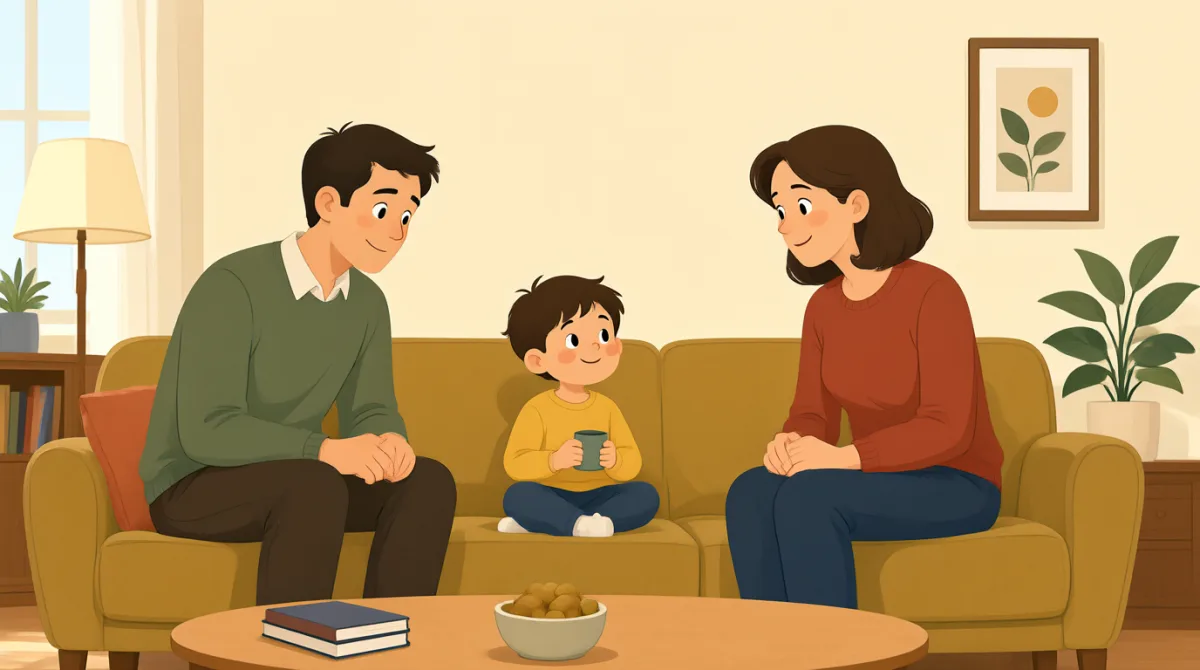

Thank you for meeting with me, Mr. Miller. I wanted to discuss Emily's progress, specifically in reading.
از اینکه با من دیدار کردید ممنونم، آقای میلر. میخواستم دربارهٔ پیشرفت امیلی، بهخصوص در خواندن، صحبت کنم.

Of course, Ms. Wilson. I appreciate you bringing this up. I've also noticed Emily seems to be struggling a bit more with reading comprehension than her peers.
البته، خانم ویلسون. ممنونم که این موضوع را مطرح کردید. من هم متوجه شدهام که به نظر میرسد امیلی در درک مطلب کمی بیشتر از همکلاسیهایش مشکل دارد.
Yes, exactly. At home, she gets frustrated easily, and it takes her a very long time to get through assignments. I'm wondering if there's anything else we should be looking into, perhaps a learning difference?
بله، دقیقاً. در خانه زود کلافه میشود و انجام تکالیف برایش خیلی طول میکشد. با خودم فکر میکنم شاید لازم باشد موضوع دیگری را هم بررسی کنیم؛ مثلاً تفاوتی در شیوهٔ یادگیریاش وجود داشته باشد؟
It's certainly a possibility. She's a bright girl, and her other subjects are strong. We could try a few additional reading interventions in class, and if we don't see significant improvement, we might consider a formal assessment.
قطعاً ممکن است. او دختر باهوشی است و در درسهای دیگر عملکرد خوبی دارد. میتوانیم چند روش حمایتیِ بیشتر برای خواندن را در کلاس امتحان کنیم و اگر پیشرفت چشمگیری ندیدیم، ارزیابی رسمی را در نظر بگیریم.
What kind of interventions are you thinking of? I'd like to support her at home as well.
چه نوع روشهایی مدنظرتان است؟ من هم میخواهم در خانه از او حمایت کنم.
We can focus on phonics and decoding strategies, perhaps some one-on-one time with a reading specialist if available. At home, continued reading aloud to her and asking open-ended questions about the stories would be beneficial.
میتوانیم روی آواشناسی و راهبردهای رمزگشایی کلمات تمرکز کنیم و اگر امکانش باشد، زمانی را هم بهصورت انفرادی با متخصص خواندن بگذراند. در خانه هم خوب است همچنان برایش با صدای بلند کتاب بخوانید و دربارهٔ داستانها سؤالهای باز بپرسید.
That sounds like a good plan. How long do you think we should try these interventions before considering the assessment?
به نظر برنامهٔ خوبی میآید. فکر میکنید چه مدت این روشها را امتحان کنیم و بعد ارزیابی را در نظر بگیریم؟
Let's give it about 4-6 weeks and then reconnect. I'll document our observations closely. We want to ensure she gets the support she needs.
حدود ۴ تا ۶ هفته به این روشها فرصت بدهیم و بعد دوباره با هم صحبت کنیم. من مشاهداتمان را با دقت ثبت میکنم. میخواهیم مطمئن شویم حمایتی را که نیاز دارد دریافت میکند.
Perfect. Thank you so much for your understanding and proactive approach. It means a lot.
عالی است. بابت درک و رویکرد پیشدستانهتان خیلی ممنونم. واقعاً برایم ارزش دارد.
Not at all, Ms. Wilson. We're a team in Emily's education. Let's stay in touch.
خواهش میکنم، خانم ویلسون. ما در آموزش امیلی یک تیم هستیم. در تماس باشیم.
واژگان7
- progressپیشرفت
Means how well someone is advancing or improving in a skill or subject, like schoolwork. Use it when talking about a child's learning, e.g., 'Her progress in math is good.'
یعنی اینکه فرد در یک مهارت یا درس، مثلاً در تکالیف مدرسه، چقدر جلو میرود یا بهتر میشود. وقتی دربارهٔ یادگیری کودک صحبت میکنید از این واژه استفاده کنید؛ مثلاً: 'Her progress in math is good.' (پیشرفتش در ریاضی خوب است.)
- strugglingدچار مشکل بودن
Means having difficulty or finding something hard to do. It's common in education talks, e.g., 'He's struggling with homework.'
یعنی در انجام کاری مشکل داشتن یا آن را دشوار یافتن. این واژه در گفتوگوهای آموزشی رایج است؛ مثلاً: 'He's struggling with homework.' (او در انجام تکالیفش مشکل دارد.)
- frustratedکلافه
Means feeling annoyed or upset because of a problem. Parents often use this for a child's emotions, e.g., 'She gets frustrated easily with puzzles.'
یعنی بهخاطر مشکلی احساس ناراحتی یا دلخوری کردن. والدین اغلب این واژه را برای توصیف احساسات کودک به کار میبرند؛ مثلاً: 'She gets frustrated easily with puzzles.' (او هنگام حل معماها زود کلافه میشود.)
- interventionsروشهای حمایتی
Means planned actions or methods to help someone improve, especially in learning. Useful in school discussions, e.g., 'We need reading interventions.'
یعنی اقدامها یا روشهای برنامهریزیشدهای که برای کمک به پیشرفت فرد انجام میشوند، بهویژه در یادگیری. این واژه در گفتوگوهای مدرسه مفید است؛ مثلاً: 'We need reading interventions.' (به روشهای حمایتی برای خواندن نیاز داریم.)
- assessmentارزیابی
Means a formal test or evaluation to check skills or needs. In education, it helps identify learning issues, e.g., 'A formal assessment might be needed.'
یعنی آزمون یا بررسی رسمی برای سنجیدن مهارتها یا نیازهای فرد. در آموزش، ارزیابی به شناسایی مشکلات یادگیری کمک میکند؛ مثلاً: 'A formal assessment might be needed.' (شاید به یک ارزیابی رسمی نیاز باشد.)
- phonicsآواشناسی
A method of teaching reading by linking sounds to letters. It's a key term in early education, e.g., 'We'll focus on phonics lessons.'
روشی برای آموزش خواندن که در آن صداها به حروف پیوند داده میشوند. این اصطلاح در آموزش سالهای نخست اهمیت دارد؛ مثلاً: 'We'll focus on phonics lessons.' (روی درسهای آواشناسی تمرکز میکنیم.)
- proactiveپیشدستانه
Means taking action ahead of time to prevent problems. Praise someone with this in professional talks, e.g., 'I appreciate your proactive approach.'
یعنی پیش از بروز مشکل دست به کار شدن تا از آن جلوگیری شود. در گفتوگوهای حرفهای میتوانید با این واژه از کسی قدردانی کنید؛ مثلاً: 'I appreciate your proactive approach.' (از رویکرد پیشدستانهتان قدردانی میکنم.)
جملات کلیدی8
- 1
Thank you for meeting with me, Mr. Miller. I wanted to discuss Emily's progress, specifically in reading.
از اینکه با من دیدار کردید ممنونم، آقای میلر. میخواستم دربارهٔ پیشرفت امیلی، بهخصوص در خواندن، صحبت کنم.
This is a polite way to start a meeting. 'Specifically in' means focusing on one area. Useful for opening parent-teacher talks to show respect and state the topic clearly.
این جمله راهی مؤدبانه برای شروع جلسه است. 'Specifically in' یعنی تمرکز بر یک حوزهٔ مشخص. برای شروع گفتوگوهای والدین و معلمان مفید است؛ هم احترام را نشان میدهد و هم موضوع را روشن بیان میکند.
- 2
I've also noticed Emily seems to be struggling a bit more with reading comprehension than her peers.
من هم متوجه شدهام که به نظر میرسد امیلی در درک مطلب کمی بیشتر از همکلاسیهایش مشکل دارد.
Shares an observation politely. 'Seems to be' softens the statement, and 'than her peers' compares to others. Great for teachers to express concerns without alarming parents.
با این جمله مشاهدهتان را مؤدبانه مطرح میکنید. 'Seems to be' از صراحت جمله میکاهد و 'than her peers' او را با دیگران مقایسه میکند. معلمان میتوانند با این عبارت نگرانیشان را بدون نگران کردن بیش از حد والدین بیان کنند.
- 3
I'm wondering if there's anything else we should be looking into, perhaps a learning difference?
با خودم فکر میکنم شاید لازم باشد موضوع دیگری را هم بررسی کنیم؛ مثلاً تفاوتی در شیوهٔ یادگیریاش وجود داشته باشد؟
Expresses concern gently. 'I'm wondering if' is a soft way to ask, and 'looking into' means investigating. Use this when suggesting possible issues like learning needs.
این جمله نگرانی را با ملایمت بیان میکند. 'I'm wondering if' راهی غیرمستقیم و ملایم برای پرسیدن است و 'looking into' یعنی بررسی کردن. وقتی میخواهید احتمال مشکلی مانند نیازهای ویژهٔ یادگیری را مطرح کنید، از آن استفاده کنید.
- 4
We could try a few additional reading interventions in class, and if we don't see significant improvement, we might consider a formal assessment.
میتوانیم چند روش حمایتیِ بیشتر برای خواندن را در کلاس امتحان کنیم و اگر پیشرفت چشمگیری ندیدیم، ارزیابی رسمی را در نظر بگیریم.
Suggests steps with conditions. 'Could try' and 'might consider' show possibilities. The 'if...then' structure plans actions. Helpful for discussing support strategies.
این جمله گامهایی را بهصورت مشروط پیشنهاد میکند. 'Could try' و 'might consider' نشاندهندهٔ امکان هستند. ساختار 'if...then' برای برنامهریزی کارهای بعدی به کار میرود. این عبارتها برای صحبت دربارهٔ راهکارهای حمایتی مفیدند.
- 5
What kind of interventions are you thinking of? I'd like to support her at home as well.
چه نوع روشهایی مدنظرتان است؟ من هم میخواهم در خانه از او حمایت کنم.
Asks for details and offers help. 'What kind of' seeks specifics, and 'as well' means in addition. Use to show teamwork in parent-teacher discussions.
در این جمله جزئیات میپرسید و پیشنهاد کمک میدهید. 'What kind of' برای پرسیدن دربارهٔ موارد مشخص است و 'as well' یعنی علاوه بر آن. در گفتوگوهای والدین و معلمان، از این عبارتها برای نشان دادن همکاری استفاده کنید.
- 6
That sounds like a good plan. How long do you think we should try these interventions before considering the assessment?
به نظر برنامهٔ خوبی میآید. فکر میکنید چه مدت این روشها را امتحان کنیم و بعد ارزیابی را در نظر بگیریم؟
Agrees and asks for timeline. 'Sounds like' expresses positive opinion. Useful for confirming plans and seeking practical details in conversations.
در این جمله موافقت میکنید و دربارهٔ زمانبندی میپرسید. 'Sounds like' نظر مثبت را بیان میکند. این عبارت برای تأیید برنامهها و پرسیدن جزئیات کاربردی در گفتوگوها مفید است.
- 7
Let's give it about 4-6 weeks and then reconnect. I'll document our observations closely.
حدود ۴ تا ۶ هفته به این روشها فرصت بدهیم و بعد دوباره با هم صحبت کنیم. من مشاهداتمان را با دقت ثبت میکنم.
Proposes a timeframe and next steps. 'Give it' means try for a period, 'reconnect' means meet again. 'Document' means record. Good for setting follow-up in professional talks.
این جمله بازهٔ زمانی و گامهای بعدی را پیشنهاد میکند. 'Give it' یعنی کاری را برای مدتی امتحان کردن و 'reconnect' یعنی دوباره دیدار یا گفتوگو کردن. 'Document' یعنی ثبت کردن. این عبارتها در گفتوگوهای حرفهای برای تعیین زمان پیگیری مناسباند.
- 8
Thank you so much for your understanding and proactive approach. It means a lot.
بابت درک و رویکرد پیشدستانهتان خیلی ممنونم. واقعاً برایم ارزش دارد.
Shows gratitude. 'Thank you so much' emphasizes thanks, 'means a lot' shows importance. End meetings positively to build good relationships.
این جمله قدردانی را نشان میدهد. 'Thank you so much' بر میزان تشکر تأکید میکند و 'means a lot' میگوید چیزی برایتان اهمیت زیادی دارد. برای تقویت رابطهٔ خوب، جلسه را با لحنی مثبت به پایان برسانید.