Hypothetical Scenarios and Their Impact
سناریوهای فرضی و تأثیر آنها
Participants propose alternative choices the character could have made at crucial junctures and explore how those different decisions would have altered the character's moral standing and the overall narrative.
شرکتکنندگان انتخابهای دیگری را مطرح میکنند که شخصیت میتوانست در مقاطع حساس انجام دهد و بررسی میکنند که این تصمیمهای متفاوت چه تأثیری بر جایگاه اخلاقی شخصیت و روایت کلی داستان میگذاشتند.
گفتوگو8
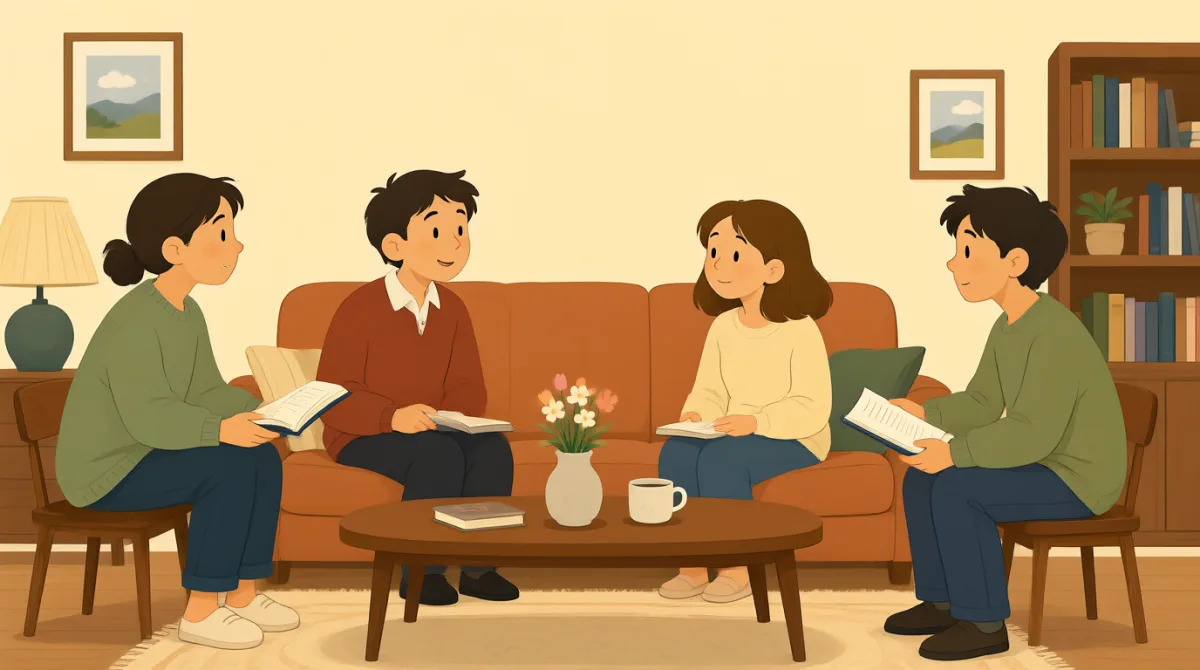

So, let's talk about Walter White. What if, at that crucial point when he got the cancer diagnosis, he just focused on treatment and family support instead of cooking meth? How would that have changed everything?
خب، بیایید دربارهٔ والتر وایت حرف بزنیم. اگر در آن مقطع حساس، وقتی فهمید سرطان دارد، بهجای تولید متآمفتامین فقط روی درمان و حمایت خانواده تمرکز میکرد، چه میشد؟ همهچیز چطور تغییر میکرد؟

That's a huge 'what if.' If he hadn't gone down that criminal path, he'd be seen as a sympathetic, tragic figure. His moral standing wouldn't have been utterly corrupted. He might have even been celebrated for his resilience.
این واقعاً یک «اگر چنین میشد» بزرگ است. اگر وارد آن مسیر خلافکارانه نشده بود، او را شخصیتی غمانگیز و درخور همدردی میدیدند. جایگاه اخلاقیاش کاملاً تباه نمیشد. حتی ممکن بود بهخاطر تابآوریاش تحسینش کنند.

Exactly. The entire narrative of 'Breaking Bad' hinges on his descent into villainy. If he chose the ethical route, there'd be no Heisenberg. The show as we know it simply wouldn't exist.
دقیقاً. کل روایت «بریکینگ بد» به سقوط او به ورطهٔ شرارت وابسته است. اگر راه اخلاقی را انتخاب میکرد، هایزنبرگی در کار نبود. سریال را آنطور که میشناسیم، اصلاً نمیدیدیم.

But consider the ripple effect. Jesse Pinkman's life, for instance. He wouldn't have been dragged into that world. Gus Fring wouldn't have been a central antagonist. The whole ecosystem of characters would be radically different.
اما به پیامدهای زنجیرهایاش فکر کن. مثلاً زندگی جسی پینکمن. او به آن دنیا کشیده نمیشد. گاس فرینگ هم شخصیت منفی محوری داستان نمیشد. کل دنیای شخصیتها بهشکلی اساسی فرق میکرد.
And his family. Skyler, Walt Jr., Holly. Their lives would have been challenging, dealing with his illness, but not shattered by his criminal enterprise. They wouldn't have had to face the moral compromises they did.
و خانوادهاش را هم در نظر بگیر. اسکایلر، والت جونیور و هالی. زندگیشان درگیر بیماری او میشد و سختیهایی داشت، اما کسبوکار خلافکارانهاش آنها را از هم نمیپاشید. مجبور نمیشدند با آن سازشهای اخلاقی روبهرو شوند.
It raises the question of free will versus determinism in storytelling, doesn't it? Was he doomed to that path, or could he genuinely have chosen differently and still maintained a compelling narrative?
این بحثِ اختیار در برابر جبرگرایی در داستانگویی را پیش میکشد، نه؟ آیا محکوم بود که همان مسیر را برود، یا واقعاً میتوانست راه دیگری انتخاب کند و باز هم داستان جذابی داشته باشیم؟
I think the brilliance of the show is that it explored that descent. If he'd chosen well, it might have been a heartwarming, but less impactful, story about overcoming illness. The moral ambiguity is what makes it resonate so much.
به نظرم نبوغ سریال در این بود که سقوط او را بررسی کرد. اگر انتخابهای درستی میکرد، شاید داستانی دلگرمکننده دربارهٔ غلبه بر بیماری میشد، اما تأثیرش کمتر بود. این ابهام اخلاقی است که آن را اینقدر ماندگار میکند.
True, but it's fascinating to consider those pivotal moments. Like, what if he never asked Jesse to cook with him? Or returned the money from Elliott and Gretchen? Each time, he had a choice to step back from the precipice, and he chose to leap.
درسته، اما فکر کردن به آن لحظههای سرنوشتساز جذابه. مثلاً اگر هیچوقت از جسی نمیخواست با او تولید کند، چه میشد؟ یا پول الیوت و گرتچن را پس میداد؟ هر بار فرصتی داشت از لبهٔ پرتگاه عقب بکشد، اما انتخاب کرد که بپرد.
واژگان9
- crucialحساس؛ سرنوشتساز
Important or decisive; used to describe a key moment that affects the outcome, like in decisions or events.
یعنی مهم یا تعیینکننده؛ برای توصیف لحظهای کلیدی به کار میرود که روی نتیجه تأثیر میگذارد، مثلاً در تصمیمها یا رویدادها.
- sympatheticدرخور همدردی
Feeling or showing understanding and care for someone's situation; often used to describe a character who deserves pity.
یعنی نسبت به موقعیت کسی درک و دلسوزی نشان دادن؛ اغلب برای توصیف شخصیتی به کار میرود که سزاوار ترحم است.
- resilienceتابآوری
The ability to recover quickly from difficulties; useful when talking about overcoming challenges like illness.
توانایی کنار آمدن سریع با دشواریها و دوباره از جا برخاستن؛ برای صحبت دربارهٔ غلبه بر چالشهایی مثل بیماری مفید است.
- descentسقوط؛ افول
A gradual fall from a high level to a lower one, often moral; here, it means becoming more evil or villainous.
سقوط تدریجی از سطحی بالا به سطحی پایینتر؛ اغلب بهمعنای سقوط اخلاقی است. اینجا یعنی شخص هرچه بیشتر شرور میشود.
- ethicalاخلاقی؛ مبتنی بر اصول اخلاقی
Relating to moral principles of right and wrong; used in discussions about good choices versus bad ones.
مربوط به اصول درست و نادرست؛ در بحث دربارهٔ انتخابهای خوب و بد به کار میرود.
- ripple effectپیامدهای زنجیرهای
A series of consequences caused by a single action, like waves spreading out; practical for explaining how one decision affects many things.
مجموعهای از پیامدها که از یک عمل به وجود میآیند و مثل موج گسترش پیدا میکنند؛ برای توضیح اینکه یک تصمیم چطور روی چیزهای زیادی اثر میگذارد، مفید است.
- free willاختیار
The power to make choices without being controlled by fate; common in debates about decisions in stories or life.
توانایی انتخاب کردن بدون اینکه سرنوشت کنترلمان کند؛ در بحث دربارهٔ تصمیمها در داستان یا زندگی زیاد به کار میرود.
- moral ambiguityابهام اخلاقی
Situations where right and wrong are not clear; helps discuss complex characters who are neither fully good nor bad.
موقعیتهایی که در آنها مرز درست و نادرست روشن نیست؛ برای بحث دربارهٔ شخصیتهای پیچیدهای مفید است که نه کاملاً خوباند و نه کاملاً بد.
- precipiceلبهٔ پرتگاه
A steep cliff edge, used metaphorically for a dangerous point of no return in choices.
لبهٔ پرتگاهی شیبدار؛ بهصورت استعاری برای نقطهای خطرناک و بازگشتناپذیر در یک انتخاب به کار میرود.
جملات کلیدی8
- 1
What if, at that crucial point when he got the cancer diagnosis, he just focused on treatment and family support instead of cooking meth?
اگر در آن مقطع حساس، وقتی فهمید سرطان دارد، بهجای تولید متآمفتامین فقط روی درمان و حمایت خانواده تمرکز میکرد، چه میشد؟
This is a hypothetical question using 'what if' to imagine an alternative scenario; useful for debating possibilities. It uses a past conditional structure to discuss unreal past events and their changes.
در این جمله با استفاده از 'what if' (اگر چنین میشد) پرسشی فرضی مطرح میشود تا موقعیتی جایگزین را تصور کنیم؛ برای بحث دربارهٔ احتمالها مفید است. ساختار شرطی گذشته هم برای صحبت دربارهٔ اتفاقهای غیرواقعی در گذشته و تغییراتی که میتوانستند ایجاد کنند به کار رفته است.
- 2
If he hadn't gone down that criminal path, he'd be seen as a sympathetic, tragic figure.
اگر وارد آن مسیر خلافکارانه نشده بود، او را شخصیتی غمانگیز و درخور همدردی میدیدند.
A second conditional sentence ('If... hadn't..., he'd...') for unreal past situations; great for exploring 'what if' outcomes in stories, showing how choices affect perception.
این جمله ساختار شرطی دوم ('If... hadn't..., he'd...') را برای صحبت دربارهٔ موقعیتی غیرواقعی در گذشته به کار میبرد؛ برای بررسی نتیجههای فرضی در داستانها و نشان دادن تأثیر انتخابها بر برداشت دیگران از شخصیت، بسیار مفید است.
- 3
His moral standing wouldn't have been utterly corrupted.
جایگاه اخلاقیاش کاملاً تباه نمیشد.
Uses negative inversion in a conditional ('wouldn't have been') to emphasize avoidance of a bad result; practical for ethical discussions, highlighting consequences of actions.
در این جمله ساختار منفیِ 'wouldn't have been' در جملهٔ شرطی به کار رفته تا بر جلوگیری از نتیجهای بد تأکید کند؛ در بحثهای اخلاقی مفید است، چون پیامدهای اعمال را برجسته میکند.
- 4
The entire narrative of 'Breaking Bad' hinges on his descent into villainy.
کل روایت «بریکینگ بد» به سقوط او به ورطهٔ شرارت وابسته است.
'Hinges on' means 'depends on'; this sentence explains how a story's plot relies on a key event. Useful in literary analysis to show cause and effect.
'Hinges on' یعنی «وابسته است به». این جمله توضیح میدهد که چطور طرح داستان به رویدادی کلیدی وابسته است. در تحلیل ادبی برای نشان دادن رابطهٔ علت و معلولی مفید است.
- 5
But consider the ripple effect. Jesse Pinkman's life, for instance.
اما به پیامدهای زنجیرهای فکر کن. مثلاً زندگی جسی پینکمن.
'Consider the ripple effect' introduces indirect consequences; 'for instance' gives an example. Ideal for expanding discussions on how one change impacts others.
'Consider the ripple effect' برای مطرح کردن پیامدهای غیرمستقیم به کار میرود؛ 'for instance' هم مثالی ارائه میدهد. این عبارتها برای گسترش بحث دربارهٔ تأثیر تغییر یک چیز بر چیزهای دیگر مناسباند.
- 6
It raises the question of free will versus determinism in storytelling, doesn't it?
این بحثِ اختیار در برابر جبرگرایی در داستانگویی را پیش میکشد، نه؟
A tag question ('doesn't it?') seeks agreement; 'raises the question' means brings up a topic. Perfect for philosophical debates, encouraging others to respond.
پرسش تأییدی ('doesn't it?') برای گرفتن موافقت مخاطب به کار میرود؛ 'raises the question' یعنی موضوعی را پیش میکشد. برای بحثهای فلسفی مناسب است و دیگران را به پاسخ دادن تشویق میکند.
- 7
The moral ambiguity is what makes it resonate so much.
این ابهام اخلاقی است که آن را اینقدر ماندگار میکند.
'Resonate' means to have a strong emotional effect; cleft sentence ('what makes it...') emphasizes the reason. Useful for explaining why stories or ideas connect with people.
'Resonate' یعنی تأثیر عاطفی عمیقی گذاشتن؛ ساختار تأکیدیِ ('what makes it...') دلیل را برجسته میکند. برای توضیح اینکه چرا داستانها یا ایدهها با مردم ارتباط برقرار میکنند، مفید است.
- 8
Each time, he had a choice to step back from the precipice, and he chose to leap.
هر بار فرصتی داشت از لبهٔ پرتگاه عقب بکشد، اما انتخاب کرد که بپرد.
Parallel structure ('had a choice to... and he chose to...') contrasts options; metaphorical language for risky decisions. Great for describing pivotal moments in narratives.
ساختار موازیِ ('had a choice to... and he chose to...') گزینهها را در برابر هم قرار میدهد؛ عبارت استعاری هم به تصمیمهای پرخطر اشاره دارد. برای توصیف لحظههای سرنوشتساز در روایتها بسیار مناسب است.