Hypothetical Scenarios and Their Impact
काल्पनिक परिस्थितियाँ और उनका प्रभाव
Participants propose alternative choices the character could have made at crucial junctures and explore how those different decisions would have altered the character's moral standing and the overall narrative.
प्रतिभागी उन अहम मोड़ों पर किरदार के लिए दूसरे विकल्प सुझाते हैं और चर्चा करते हैं कि अलग फैसलों से उसकी नैतिक छवि और पूरी कहानी कैसे बदल सकती थी।
संवाद8
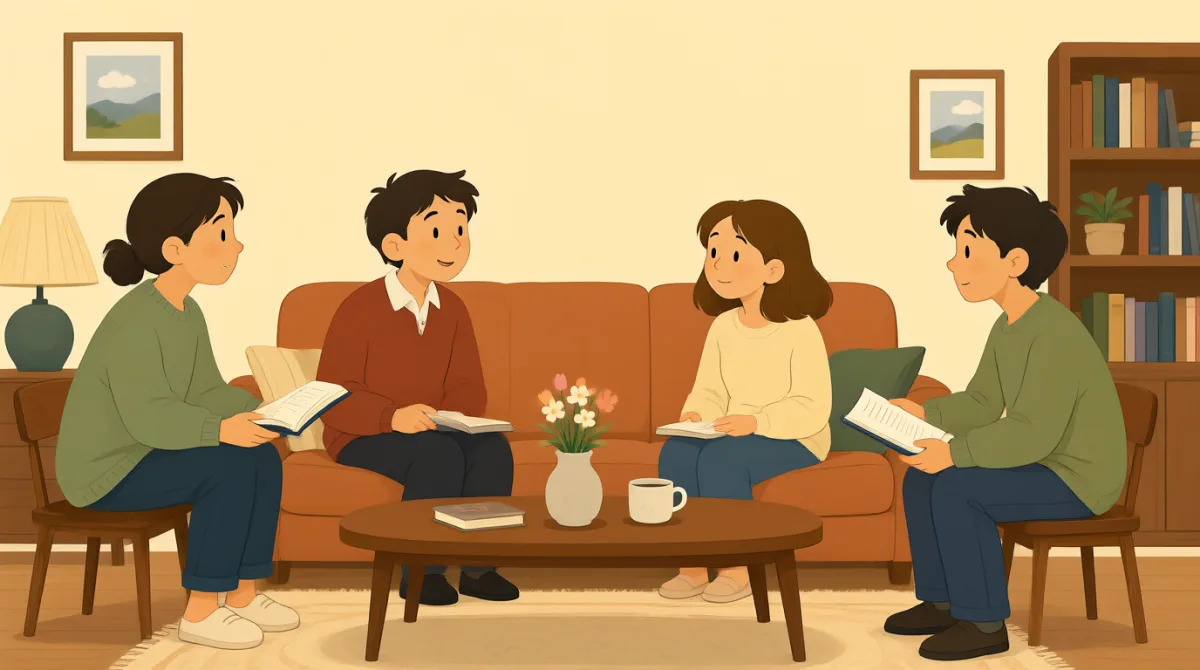

So, let's talk about Walter White. What if, at that crucial point when he got the cancer diagnosis, he just focused on treatment and family support instead of cooking meth? How would that have changed everything?
तो, वॉल्टर व्हाइट की बात करते हैं। अगर कैंसर का पता चलने के उस अहम मोड़ पर उसने मेथ बनाने के बजाय इलाज और परिवार के सहारे पर ध्यान दिया होता, तो सब कुछ कैसे बदल जाता?

That's a huge 'what if.' If he hadn't gone down that criminal path, he'd be seen as a sympathetic, tragic figure. His moral standing wouldn't have been utterly corrupted. He might have even been celebrated for his resilience.
यह तो बहुत बड़ा ‘अगर’ है। अगर वह अपराध की राह पर नहीं चला होता, तो लोग उसे एक दुखद और सहानुभूति के योग्य किरदार के रूप में देखते। उसकी नैतिकता पूरी तरह नहीं बिगड़ती। शायद उसकी हिम्मत के लिए उसकी सराहना भी होती।

Exactly. The entire narrative of 'Breaking Bad' hinges on his descent into villainy. If he chose the ethical route, there'd be no Heisenberg. The show as we know it simply wouldn't exist.
बिलकुल। ‘ब्रेकिंग बैड’ की पूरी कहानी उसके खलनायक बनने की ओर बढ़ने पर टिकी है। अगर उसने नैतिक रास्ता चुना होता, तो हीज़ेनबर्ग होता ही नहीं। जिस शो को हम जानते हैं, वह बनता ही नहीं।

But consider the ripple effect. Jesse Pinkman's life, for instance. He wouldn't have been dragged into that world. Gus Fring wouldn't have been a central antagonist. The whole ecosystem of characters would be radically different.
लेकिन इसके दूर तक पड़ने वाले असर पर सोचो। मिसाल के लिए, जेसी पिंकमैन की ज़िंदगी। उसे उस दुनिया में घसीटा ही नहीं जाता। गस फ्रिंग भी मुख्य विरोधी किरदार नहीं बनता। किरदारों का पूरा ताना-बाना एकदम अलग होता।
And his family. Skyler, Walt Jr., Holly. Their lives would have been challenging, dealing with his illness, but not shattered by his criminal enterprise. They wouldn't have had to face the moral compromises they did.
और उसका परिवार—स्काइलर, वॉल्ट जूनियर, हॉली। उनकी ज़िंदगी मुश्किल ज़रूर होती, क्योंकि उन्हें उसकी बीमारी से जूझना पड़ता, लेकिन उसके अपराधों की वजह से बिखरती नहीं। उन्हें उन नैतिक समझौतों का सामना नहीं करना पड़ता जो उन्होंने किए।
It raises the question of free will versus determinism in storytelling, doesn't it? Was he doomed to that path, or could he genuinely have chosen differently and still maintained a compelling narrative?
इससे कहानी में स्वतंत्र इच्छा बनाम नियतिवाद का सवाल उठता है, है न? क्या उसकी राह पहले से तय थी, या वह सचमुच कोई और रास्ता चुन सकता था और फिर भी कहानी दिलचस्प रहती?
I think the brilliance of the show is that it explored that descent. If he'd chosen well, it might have been a heartwarming, but less impactful, story about overcoming illness. The moral ambiguity is what makes it resonate so much.
मुझे लगता है कि शो की खास बात यही है कि उसने उसके पतन को दिखाया। अगर उसने सही चुनाव किया होता, तो शायद यह बीमारी पर काबू पाने की एक दिल छू लेने वाली, मगर कम असरदार कहानी बनती। नैतिक दुविधाएँ ही इसे इतना असरदार बनाती हैं।
True, but it's fascinating to consider those pivotal moments. Like, what if he never asked Jesse to cook with him? Or returned the money from Elliott and Gretchen? Each time, he had a choice to step back from the precipice, and he chose to leap.
सही है, लेकिन उन निर्णायक पलों के बारे में सोचना दिलचस्प है। जैसे, अगर उसने जेसी से कभी अपने साथ मेथ बनाने को नहीं कहा होता? या इलियट और ग्रेचेन के पैसे लौटा दिए होते? हर बार उसके पास उस खतरनाक मोड़ से पीछे हटने का मौका था, लेकिन उसने उसमें छलाँग लगाने का फैसला किया।
शब्दावली9
- crucialनिर्णायक
Important or decisive; used to describe a key moment that affects the outcome, like in decisions or events.
महत्वपूर्ण या फ़ैसला बदल देने वाला; इसका इस्तेमाल ऐसे अहम पल के लिए होता है जो नतीजे पर असर डालता है, जैसे किसी फैसले या घटना में।
- sympatheticसहानुभूति के योग्य
Feeling or showing understanding and care for someone's situation; often used to describe a character who deserves pity.
किसी की स्थिति को समझना और उसकी परवाह करना; अक्सर ऐसे किरदार के लिए इस्तेमाल होता है जिस पर तरस आना स्वाभाविक हो।
- resilienceमुश्किलों से उबरने की क्षमता
The ability to recover quickly from difficulties; useful when talking about overcoming challenges like illness.
मुश्किलों से जल्दी उबरने की क्षमता; बीमारी जैसी चुनौतियों पर काबू पाने की बात करते समय यह शब्द काम आता है।
- descentपतन
A gradual fall from a high level to a lower one, often moral; here, it means becoming more evil or villainous.
ऊँचे स्तर से नीचे गिरने की प्रक्रिया, अक्सर नैतिक रूप से; यहाँ इसका मतलब है धीरे-धीरे बुरा या खलनायक बनते जाना।
- ethicalनैतिक
Relating to moral principles of right and wrong; used in discussions about good choices versus bad ones.
सही और गलत के नैतिक सिद्धांतों से जुड़ा हुआ; अच्छे और बुरे चुनावों पर चर्चा में इसका इस्तेमाल होता है।
- ripple effectदूरगामी असर
A series of consequences caused by a single action, like waves spreading out; practical for explaining how one decision affects many things.
एक कार्रवाई से पैदा होने वाले कई नतीजों की शृंखला—जैसे पानी में उठती लहरें फैलती जाती हैं; यह समझाने के लिए उपयोगी है कि एक फैसला कई चीज़ों को कैसे प्रभावित करता है।
- free willस्वतंत्र इच्छा
The power to make choices without being controlled by fate; common in debates about decisions in stories or life.
किस्मत के नियंत्रण में आए बिना चुनाव करने की क्षमता; कहानियों या ज़िंदगी में फैसलों पर होने वाली बहसों में यह आम तौर पर इस्तेमाल होता है।
- moral ambiguityनैतिक अस्पष्टता
Situations where right and wrong are not clear; helps discuss complex characters who are neither fully good nor bad.
ऐसी परिस्थितियाँ जहाँ सही और गलत साफ़-साफ़ तय नहीं होते; यह उन जटिल किरदारों पर चर्चा करने में मदद करता है जो पूरी तरह अच्छे या बुरे नहीं होते।
- precipiceखतरनाक मोड़
A steep cliff edge, used metaphorically for a dangerous point of no return in choices.
खड़ी चट्टान का किनारा; रूपक के तौर पर इसका इस्तेमाल ऐसे खतरनाक मोड़ के लिए होता है जहाँ से फैसले में पीछे लौटना मुश्किल हो।
मुख्य वाक्य8
- 1
What if, at that crucial point when he got the cancer diagnosis, he just focused on treatment and family support instead of cooking meth?
अगर कैंसर का पता चलने के उस अहम मोड़ पर उसने मेथ बनाने के बजाय इलाज और परिवार के सहारे पर ध्यान दिया होता, तो?
This is a hypothetical question using 'what if' to imagine an alternative scenario; useful for debating possibilities. It uses a past conditional structure to discuss unreal past events and their changes.
यह ‘what if’ का इस्तेमाल करके पूछा गया एक काल्पनिक सवाल है, जिसमें किसी दूसरी संभावना की कल्पना की जाती है; संभावनाओं पर बहस के लिए यह उपयोगी है। इसमें भूतकाल की ऐसी काल्पनिक घटनाओं और उनके नतीजों पर बात करने वाली संरचना है।
- 2
If he hadn't gone down that criminal path, he'd be seen as a sympathetic, tragic figure.
अगर वह अपराध की राह पर नहीं चला होता, तो लोग उसे एक दुखद और सहानुभूति के योग्य किरदार के रूप में देखते।
A second conditional sentence ('If... hadn't..., he'd...') for unreal past situations; great for exploring 'what if' outcomes in stories, showing how choices affect perception.
यह ‘If... hadn't..., he'd...’ वाली दूसरी प्रकार की शर्तिया संरचना है, जिसका इस्तेमाल अतीत की काल्पनिक स्थितियों के लिए होता है। कहानियों में ‘what if’ वाले नतीजों पर बात करने और यह दिखाने के लिए उपयोगी है कि चुनाव लोगों की धारणा को कैसे बदलते हैं।
- 3
His moral standing wouldn't have been utterly corrupted.
उसकी नैतिकता पूरी तरह नहीं बिगड़ती।
Uses negative inversion in a conditional ('wouldn't have been') to emphasize avoidance of a bad result; practical for ethical discussions, highlighting consequences of actions.
इसमें शर्तिया वाक्य के साथ ‘wouldn't have been’ का नकारात्मक रूप इस्तेमाल हुआ है, जो किसी बुरे नतीजे से बचने पर ज़ोर देता है। नैतिकता से जुड़ी चर्चाओं में यह कार्रवाइयों के नतीजे बताने के लिए काम आता है।
- 4
The entire narrative of 'Breaking Bad' hinges on his descent into villainy.
‘ब्रेकिंग बैड’ की पूरी कहानी उसके खलनायक बनने की ओर बढ़ने पर टिकी है।
'Hinges on' means 'depends on'; this sentence explains how a story's plot relies on a key event. Useful in literary analysis to show cause and effect.
‘Hinges on’ का मतलब है ‘किसी बात पर निर्भर होना’; यह वाक्य बताता है कि कहानी का कथानक किसी अहम घटना पर कैसे निर्भर करता है। साहित्यिक विश्लेषण में कारण और नतीजे का संबंध दिखाने के लिए यह उपयोगी है।
- 5
But consider the ripple effect. Jesse Pinkman's life, for instance.
लेकिन इसके दूर तक पड़ने वाले असर पर सोचो। मिसाल के लिए, जेसी पिंकमैन की ज़िंदगी।
'Consider the ripple effect' introduces indirect consequences; 'for instance' gives an example. Ideal for expanding discussions on how one change impacts others.
‘Consider the ripple effect’ कहकर अप्रत्यक्ष नतीजों की बात शुरू की जाती है; ‘for instance’ एक उदाहरण देता है। यह समझाने के लिए बढ़िया है कि एक बदलाव दूसरों पर कैसे असर डालता है।
- 6
It raises the question of free will versus determinism in storytelling, doesn't it?
इससे कहानी में स्वतंत्र इच्छा बनाम नियतिवाद का सवाल उठता है, है न?
A tag question ('doesn't it?') seeks agreement; 'raises the question' means brings up a topic. Perfect for philosophical debates, encouraging others to respond.
‘doesn't it?’ एक ऐसा सवाल है जो सामने वाले से सहमति माँगता है; ‘raises the question’ का मतलब है किसी विषय को चर्चा में लाना। दार्शनिक बहसों में दूसरों को जवाब देने के लिए प्रोत्साहित करने के लिहाज़ से यह बहुत उपयोगी है।
- 7
The moral ambiguity is what makes it resonate so much.
नैतिक दुविधाएँ ही इसे इतना असरदार बनाती हैं।
'Resonate' means to have a strong emotional effect; cleft sentence ('what makes it...') emphasizes the reason. Useful for explaining why stories or ideas connect with people.
‘Resonate’ का मतलब है गहरा भावनात्मक असर डालना; ‘what makes it...’ वाली ज़ोर देने की संरचना बताती है कि कोई चीज़ असरदार क्यों है। यह समझाने के लिए उपयोगी है कि कहानियाँ या विचार लोगों से जुड़ाव क्यों महसूस कराते हैं।
- 8
Each time, he had a choice to step back from the precipice, and he chose to leap.
हर बार उसके पास उस खतरनाक मोड़ से पीछे हटने का मौका था, लेकिन उसने उसमें छलाँग लगाने का फैसला किया।
Parallel structure ('had a choice to... and he chose to...') contrasts options; metaphorical language for risky decisions. Great for describing pivotal moments in narratives.
‘had a choice to... and he chose to...’ वाली समानांतर संरचना विकल्पों के बीच का अंतर दिखाती है; यहाँ जोखिम भरे फैसलों के लिए रूपक का इस्तेमाल किया गया है। कहानियों के निर्णायक पलों का वर्णन करने के लिए यह बढ़िया है।