Closing With a Summary
الختام بتلخيص
Grace gives each panelist a brief final opportunity, then summarizes their main points and the questions that remain unresolved. She closes without pretending the disagreement has been settled.
تمنح غريس كلَّ مشارك في الندوة فرصة أخيرة موجزة للكلام، ثم تلخّص أهم نقاطهم والأسئلة التي ما تزال بلا إجابة. وتختتم من دون أن توهم بأن الخلاف قد حُسم.
حوار11
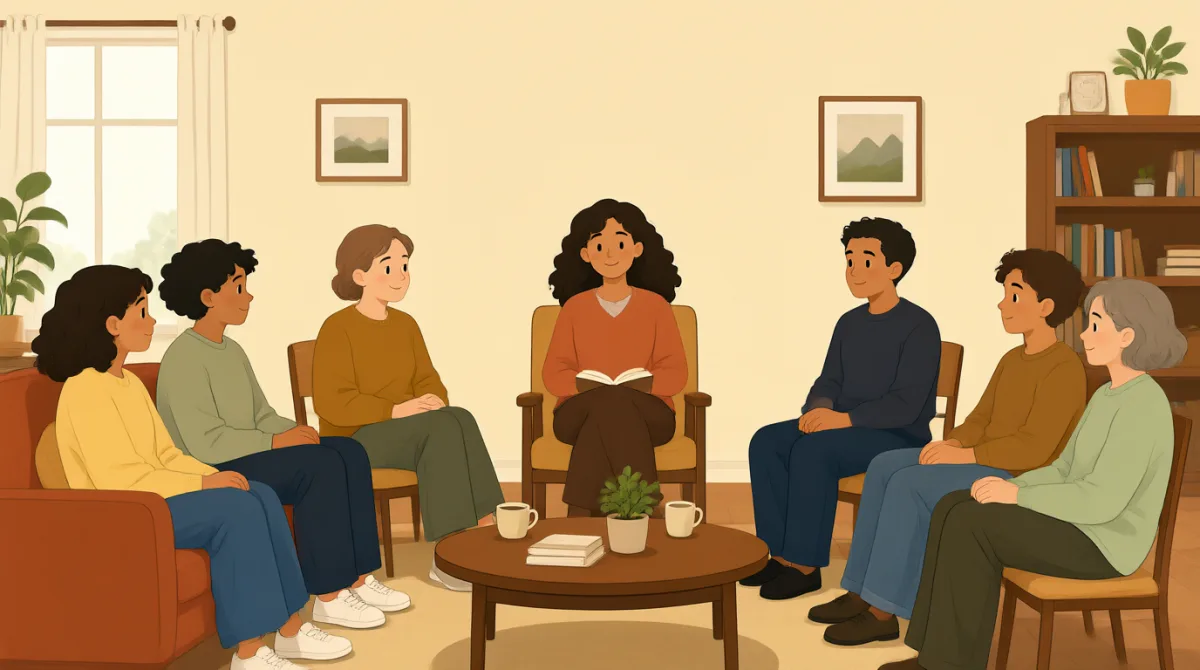

We have time for one brief closing thought from each of you. Mia, what would you most want people to carry away from this discussion?
لدينا وقت لفكرة ختامية موجزة من كل واحد منكم. ميا، ما أهم شيء تودّين أن يخرج به الناس من هذا النقاش؟

That the policy’s costs are not distributed evenly. Any decision should include safeguards for residents who have the least room to absorb higher fees or reduced access.
إن تكاليف هذه السياسة لا تتوزع بالتساوي. ينبغي أن يتضمن أي قرار ضمانات تحمي السكان الذين لا يملكون قدرة تُذكر على تحمّل الرسوم الأعلى أو تراجع إمكانية الوصول.
Thank you. David, your final thought—and please address the central concern Mia raised, even if you still disagree about the remedy.
شكرًا لكِ. ديفيد، ما فكرتك الأخيرة؟ وأرجو أن تتناول الشاغل الأساسي الذي طرحته ميا، حتى لو ظللتما مختلفين بشأن الحل.

The uneven burden is real, and it deserves serious attention. My concern is that rejecting the policy outright could leave the underlying problem untouched; careful implementation may be the more responsible course.
إن تفاوت الأعباء أمر حقيقي ويستحق اهتمامًا جادًا. ما يقلقني هو أن رفض السياسة رفضًا قاطعًا قد يترك المشكلة الأساسية بلا حل؛ وربما يكون تنفيذها بحذر هو المسار الأكثر مسؤولية.
I hear two points of agreement: the current situation has costs, and any change needs protections. The disagreement is over whether this policy can deliver benefits without imposing disproportionate harm.
أرى نقطتين نتفق عليهما: للوضع الحالي تكاليف، وأي تغيير يحتاج إلى ضمانات. أما الخلاف فيدور حول ما إذا كان بوسع هذه السياسة تحقيق فوائد من دون إلحاق ضرر غير متناسب.
And we still lack reliable evidence about how those impacts would vary by neighborhood. Without that, a citywide average could make a policy look fairer than it is.
وما زلنا نفتقر إلى أدلة موثوقة بشأن اختلاف هذه الآثار من حيّ إلى آخر. ومن دون ذلك، قد يجعل المتوسط على مستوى المدينة السياسة تبدو أكثر إنصافًا مما هي عليه.
That is a fair limitation. I would add that waiting for perfect data has consequences too; the question is what evidence is sufficient to act, and what monitoring follows.
هذا قيد وجيه. وأود أن أضيف أن انتظار بيانات مثالية له تبعات أيضًا؛ والسؤال هو ما مقدار الأدلة الكافي للتحرك، وما آليات المتابعة التي ستُعتمد بعد ذلك.
So the unresolved questions are practical as well as ethical: what threshold of evidence is enough, who bears the risk, and whether safeguards can be enforced and revised.
إذًا، فالأسئلة العالقة عملية وأخلاقية في آنٍ واحد: ما الحد الأدنى الكافي من الأدلة، ومن يتحمل المخاطر، وهل يمكن فرض الضمانات ومراجعتها؟
If the city proceeds, those protections should be measurable and reviewed publicly, not left as assurances that sound reassuring but cannot be tested.
إذا مضت المدينة قدمًا، فينبغي أن تكون هذه الضمانات قابلة للقياس وأن تخضع لمراجعة علنية، لا أن تظل مجرد تأكيدات مطمئنة لا يمكن التحقق منها.
And if the policy is delayed, the city should explain what interim steps address the present harm. Inaction is also a choice, and it should face scrutiny.
وإذا أُجّلت السياسة، فينبغي للمدينة أن توضح الخطوات المؤقتة التي ستتخذها لمعالجة الضرر القائم. فالامتناع عن العمل خيار أيضًا، وينبغي أن يخضع للمساءلة.
Thank you both. We have not resolved whether the policy should proceed, but we have identified what a responsible decision must confront. The debate remains open; the evidence and the people affected must stay at its center.
شكرًا لكما. لم نحسم ما إذا كان ينبغي المضي في هذه السياسة، لكننا حددنا ما يجب أن يأخذه القرار المسؤول في الحسبان. يظل النقاش مفتوحًا، ويجب أن تبقى الأدلة والأشخاص المتأثرون بها في صميمه.
المفردات8
- distributed evenlyيتوزع بالتساوي
Shared in equal or fair proportions. Here, it describes how the policy’s costs may affect different groups.
أي يُقسَّم بنسب متساوية أو منصفة. وتصف هذه العبارة هنا الكيفية التي قد تؤثر بها تكاليف السياسة في الفئات المختلفة.
- safeguardsضمانات وقائية
Measures designed to protect people from harm or unfair treatment. In this discussion, they would protect residents from higher fees or reduced access.
إجراءات تهدف إلى حماية الناس من الأذى أو المعاملة غير المنصفة. وفي هذا النقاش، تحمي هذه الإجراءات السكان من ارتفاع الرسوم أو تراجع إمكانية الوصول.
- underlying problemالمشكلة الأساسية
The basic issue that causes or lies behind a situation. Use this phrase when distinguishing a root cause from its visible effects.
المسألة الجوهرية التي تسبب وضعًا ما أو تكمن وراءه. استخدم هذه العبارة للتمييز بين السبب الجذري والآثار الظاهرة.
- disproportionate harmضرر غير متناسب
Harm that is greater for one group than would be fair or expected. It is useful when discussing unequal effects of a policy or decision.
ضرر أكبر يلحق بفئة ما مما هو منصف أو متوقع. وتفيد هذه العبارة عند مناقشة الآثار غير المتكافئة لسياسة أو قرار.
- reliable evidenceأدلة موثوقة
Information that is trustworthy and can support a sound conclusion. Use it when explaining what is needed before making a decision.
معلومات جديرة بالثقة ويمكن الاستناد إليها للوصول إلى نتيجة سليمة. استخدم هذه العبارة عند توضيح ما يلزم قبل اتخاذ قرار.
- sufficient to actكافٍ للتحرك
Enough to justify taking action, even if some uncertainty remains. This phrase is useful when discussing how much evidence decision-makers need.
ما يكفي لتبرير اتخاذ إجراء، حتى مع بقاء بعض الشكوك. تفيد هذه العبارة عند مناقشة مقدار الأدلة التي يحتاج إليها صانعو القرار.
- face scrutinyيخضع للتدقيق
Be examined carefully and critically. Here, it means that inaction should be evaluated just as seriously as taking action.
يُفحَص بعناية ونقد. والمقصود هنا أن الامتناع عن العمل ينبغي تقييمه بالجدية نفسها التي يُقيَّم بها اتخاذ إجراء.
- stay at its centerيبقى في صميمه
Remain the main focus of attention. In this context, it means keeping evidence and affected people central to the debate.
يظل محور الاهتمام الأساسي. وفي هذا السياق، تعني العبارة إبقاء الأدلة والأشخاص المتأثرين في صميم النقاش.
الجمل الأساسية8
- 1
Any decision should include safeguards for residents who have the least room to absorb higher fees or reduced access.
ينبغي أن يتضمن أي قرار ضمانات تحمي السكان الذين لا يملكون قدرة تُذكر على تحمّل الرسوم الأعلى أو تراجع إمكانية الوصول.
This sentence explains who needs protection and why. Reuse its structure to name a decision and the people most vulnerable to its effects.
توضح هذه الجملة من يحتاج إلى الحماية ولماذا. ويمكنك إعادة استخدام بنيتها لذكر قرار والأشخاص الأكثر عرضة لآثاره.
- 2
The uneven burden is real, and it deserves serious attention.
إن تفاوت الأعباء أمر حقيقي ويستحق اهتمامًا جادًا.
This is a concise way to acknowledge another speaker’s concern without necessarily agreeing with their proposed solution. You can replace “uneven burden” with another concern.
هذه طريقة موجزة للإقرار بمخاوف متحدث آخر من دون الموافقة بالضرورة على الحل الذي يقترحه. ويمكنك استبدال “uneven burden” بمخاوف أخرى.
- 3
My concern is that rejecting the policy outright could leave the underlying problem untouched; careful implementation may be the more responsible course.
ما يقلقني هو أن رفض السياسة رفضًا قاطعًا قد يترك المشكلة الأساسية بلا حل؛ وربما يكون تنفيذها بحذر هو المسار الأكثر مسؤولية.
This sentence respectfully presents a disagreement and offers an alternative. Use “My concern is that…” to introduce a risk, then “may be the more responsible course” to suggest a cautious option.
تعرض هذه الجملة الخلاف باحترام وتقترح بديلًا. استخدم “My concern is that…” لتقديم خطر، ثم “may be the more responsible course” لاقتراح خيار حذر.
- 4
The disagreement is over whether this policy can deliver benefits without imposing disproportionate harm.
يدور الخلاف حول ما إذا كان بوسع هذه السياسة تحقيق فوائد من دون إلحاق ضرر غير متناسب.
This sentence summarizes the central point of disagreement in a neutral way. Use “The disagreement is over whether…” to clarify what people are actually debating.
تلخّص هذه الجملة محور الخلاف بطريقة محايدة. استخدم “The disagreement is over whether…” لتوضيح موضوع النقاش الفعلي.
- 5
Without that, a citywide average could make a policy look fairer than it is.
ومن دون ذلك، قد يجعل المتوسط على مستوى المدينة السياسة تبدو أكثر إنصافًا مما هي عليه.
This sentence explains how incomplete evidence can create a misleading impression. Reuse “Without that…” to show the consequence of missing information.
توضح هذه الجملة كيف يمكن للأدلة الناقصة أن تخلق انطباعًا مضللًا. أعد استخدام “Without that…” لبيان نتيجة غياب المعلومات.
- 6
The question is what evidence is sufficient to act, and what monitoring follows.
السؤال هو ما مقدار الأدلة الكافي للتحرك، وما آليات المتابعة التي ستُعتمد بعد ذلك.
This frames an unresolved issue as two practical questions: when to act and how to review the results. It is useful in policy, research, and planning discussions.
تصوغ هذه العبارة مسألة عالقة على هيئة سؤالين عمليين: متى نتحرك، وكيف نراجع النتائج؟ وهي مفيدة في نقاشات السياسات والبحوث والتخطيط.
- 7
Inaction is also a choice, and it should face scrutiny.
الامتناع عن العمل خيار أيضًا، وينبغي أن يخضع للتدقيق.
This makes the point that doing nothing can also have consequences and deserves careful examination. Use it when a debate focuses only on the risks of taking action.
توضح هذه الجملة أن عدم فعل شيء قد تكون له تبعات أيضًا، وأنه يستحق الفحص بعناية. استخدمها عندما يركز النقاش على مخاطر اتخاذ إجراء فحسب.
- 8
We have not resolved whether the policy should proceed, but we have identified what a responsible decision must confront.
لم نحسم ما إذا كان ينبغي المضي في هذه السياسة، لكننا حددنا ما يجب أن يأخذه القرار المسؤول في الحسبان.
This closes a discussion honestly while showing what progress has been made. Adapt the first clause to acknowledge an unresolved question and the second to summarize what the group clarified.
تختتم هذه الجملة النقاش بصدق، مع توضيح ما تحقق من تقدم. عدّل الشطر الأول للإقرار بمسألة لم تُحسم، والثاني لتلخيص ما أوضحته المجموعة.