Analyzing Key Themes and Motifs
تحلیل درونمایهها و نمادهای کلیدی
Members delve into the core messages and recurring ideas present in the book, discussing how themes like love, loss, identity, or societal issues are explored by the author.
اعضای گروه به پیامهای اصلی و ایدههای تکرارشوندهٔ کتاب میپردازند و دربارهٔ چگونگی پرداخت نویسنده به درونمایههایی مانند عشق، فقدان، هویت یا مسائل اجتماعی گفتوگو میکنند.
گفتوگو7
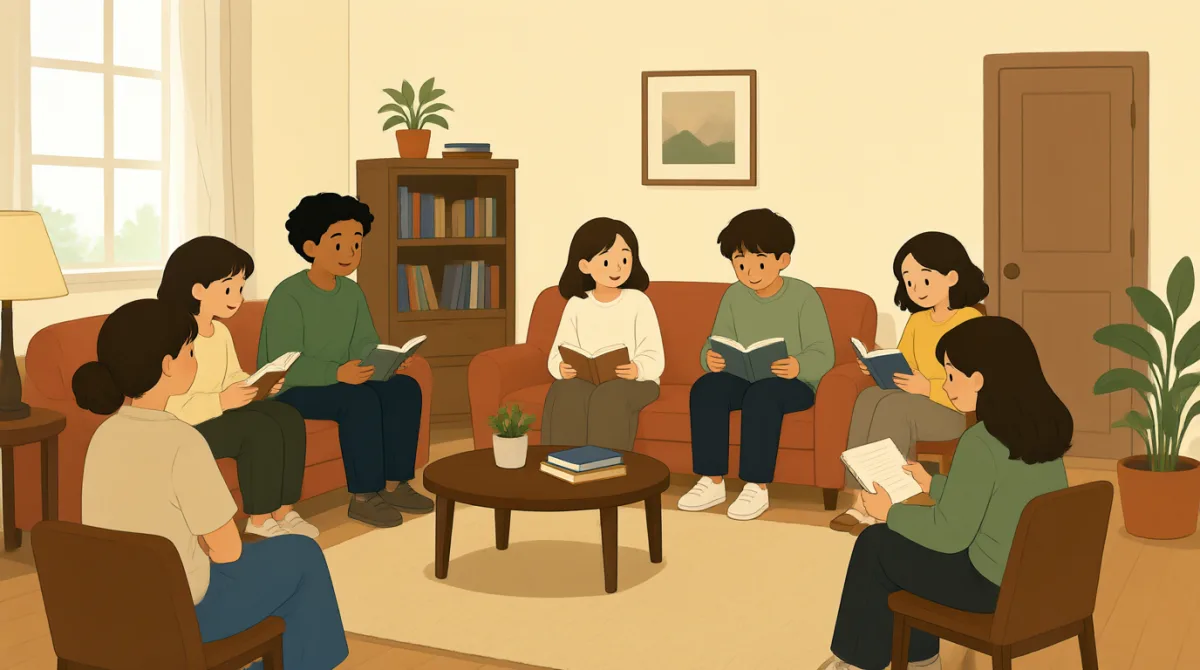

Alright, moving on to themes. I felt the theme of 'loss' was incredibly pervasive throughout the book, not just in terms of death, but also loss of innocence, dreams, and even self. What do you all think?
خب، بریم سراغ درونمایهها. به نظرم درونمایهٔ «فقدان» در سراسر کتاب خیلی پررنگ بود؛ نه فقط از نظر مرگ، بلکه از دست دادن معصومیت، رؤیاها و حتی خودِ آدم. شماها چی فکر میکنید؟

I absolutely agree, Emma. It wasn't just about the physical absence of people, but more about the psychological impact of these losses. The author did a fantastic job of exploring how grief manifests in different characters.
کاملاً موافقم، اما. موضوع فقط نبودن فیزیکی آدمها نبود؛ بیشتر تأثیر روانی این فقدانها بود. نویسنده خیلی خوب نشان داده بود اندوه در شخصیتهای مختلف چطور بروز میکند.

To add to that, I also picked up on a strong theme of 'resilience'. Despite all the loss and hardship, many characters found ways to cope and even thrive. It really highlighted the human spirit's ability to endure.
در ادامهٔ حرفت، من هم به درونمایهٔ پررنگ «تابآوری» برخوردم. با وجود همهٔ فقدانها و سختیها، خیلی از شخصیتها راهی برای کنار آمدن پیدا کردند و حتی پیشرفت کردند. این واقعاً توانایی روح انسان برای دوام آوردن را نشان میداد.

That's a great point, Mia. I think 'identity' also played a crucial role. Characters were constantly redefining themselves in the wake of their experiences. It felt like a journey of self-discovery through adversity.
نکتهٔ خیلی خوبی گفتی، میا. فکر میکنم «هویت» هم نقش مهمی داشت. شخصیتها بعد از تجربههایی که از سر گذراندند، مدام خودشان را از نو تعریف میکردند. انگار در دل سختیها مسیری برای شناخت خودشان را طی میکردند.
David, that's exactly what I was leaning towards with the 'loss of self' idea. It's fascinating how the author wove identity into the overarching narrative of loss and adaptation.
دیوید، دقیقاً داشتم به همین چیزی فکر میکردم که دربارهٔ «از دست دادن خود» گفتی. جالبه که نویسنده چطور هویت رو در دل روایت کلیِ فقدان و سازگاری با تغییرات تنیده بود.
And the symbolism around the old house, I felt, really encapsulated these themes. It represented both the comfort of the past and the decay of what once was, aligning with both loss and the struggle for identity.
به نظرم نمادپردازیِ مربوط به خانهٔ قدیمی واقعاً این درونمایهها رو در خودش خلاصه میکرد. هم آسایش گذشته رو نشون میداد و هم فرسودگیِ آنچه زمانی وجود داشت؛ این هم با فقدان جور درمیاومد و هم با تلاش برای پیدا کردن هویت.
That's a keen observation, Jack. The house itself almost felt like a character, evolving and deteriorating alongside the human characters, reflecting their internal struggles.
برداشت دقیقیه، جک. خودِ خانه تقریباً مثل یک شخصیت به نظر میرسید؛ همراه شخصیتهای انسانی تغییر میکرد و فرسوده میشد و کشمکشهای درونیشون رو بازتاب میداد.
واژگان8
- pervasiveفراگیر؛ همهجاگستر
Pervasive means something that is present or spreads throughout an entire area or thing, like a theme that affects the whole book. Use it in discussions to describe ideas that appear everywhere in a story.
واژهٔ "pervasive" یعنی چیزی در سراسر یک محدوده یا چیز وجود دارد یا در آن گسترش پیدا میکند؛ مثلاً درونمایهای که بر کل کتاب اثر میگذارد. در گفتوگوها از آن برای توصیف ایدههایی استفاده کن که در بخشهای مختلف داستان دیده میشوند.
- resilienceتابآوری
Resilience refers to the ability to recover quickly from difficulties. In book talks, it's useful for discussing how characters bounce back from challenges.
"Resilience" یعنی تواناییِ بهسرعت از پسِ دشواریها برآمدن. در گفتوگو دربارهٔ کتاب، این واژه برای صحبت دربارهٔ نحوهٔ کنار آمدن شخصیتها با چالشها مفید است.
- griefاندوه؛ سوگ
Grief is deep sadness, especially after a loss. It's a common word in literature discussions about emotions like death or heartbreak.
"Grief" یعنی اندوهی عمیق، بهویژه پس از یک فقدان. این واژه در بحثهای ادبی دربارهٔ احساساتی مثل سوگ یا دلشکستگی زیاد به کار میرود.
- manifestsبروز میکند؛ نمود پیدا میکند
Manifests means shows or appears in a certain way. Use it to explain how something, like an emotion, is expressed through actions or characters.
"Manifests" یعنی به شکل خاصی ظاهر یا آشکار میشود. از این واژه برای توضیح اینکه چیزی، مثل یک احساس، از طریق رفتارها یا شخصیتها چطور بیان میشود استفاده کن.
- identityهویت
Identity means who a person is, including their sense of self. In stories, it's often about how characters discover or change their identity.
"Identity" یعنی اینکه یک شخص کیست، از جمله برداشتی که از خودش دارد. در داستانها، این واژه اغلب به چگونگی شناخت یا تغییر هویت شخصیتها اشاره میکند.
- adversityسختی؛ ناملایمات
Adversity means difficult or challenging situations. It's practical for talking about obstacles characters face in books or real life.
"Adversity" یعنی شرایط دشوار یا چالشبرانگیز. این واژه برای صحبت دربارهٔ موانعی که شخصیتهای کتاب یا آدمهای واقعی با آن روبهرو میشوند، کاربردی است.
- symbolismنمادپردازی
Symbolism is the use of symbols to represent ideas or qualities. In book clubs, discuss how objects like a house symbolize deeper themes.
"Symbolism" یعنی استفاده از نمادها برای نشان دادن ایدهها یا ویژگیها. در جلسات کتابخوانی میتوانی دربارهٔ این صحبت کنی که اشیایی مثل یک خانه چطور نماد درونمایههای عمیقتری هستند.
- encapsulatedبهخوبی در خود جای داد؛ خلاصه کرد
Encapsulated means captured or summarized perfectly in something. Use it to say how one element, like a symbol, represents the whole story.
"Encapsulated" یعنی چیزی را بهخوبی در خود جای داد یا بهخوبی خلاصه کرد. از آن استفاده کن تا بگویی یک عنصر، مثل یک نماد، چطور نمایندهٔ کل داستان است.
جملات کلیدی7
- 1
I absolutely agree, Emma.
کاملاً موافقم، اما.
This sentence shows strong agreement in a discussion. 'Absolutely' adds emphasis, making it polite and enthusiastic. Use it in group talks to support someone's idea and keep the conversation flowing.
این جمله در گفتوگو موافقت قاطعانه را نشان میدهد. "Absolutely" بر تأکید جمله میافزاید و آن را پرشور و مؤدبانه میکند. در گفتوگوهای گروهی از آن برای تأیید نظر کسی و روان نگهداشتن بحث استفاده کن.
- 2
To add to that, I also picked up on a strong theme of 'resilience'.
در ادامهٔ حرفت، من هم به درونمایهٔ پررنگ «تابآوری» برخوردم.
This is a way to build on previous points. 'To add to that' transitions smoothly, and 'picked up on' means noticed. It's useful for contributing new ideas without interrupting.
با این جمله میتوانی نکتهٔ تازهای به حرفهای قبلی اضافه کنی. "To add to that" گذار روانی به نکتهٔ بعدی ایجاد میکند و "picked up on" یعنی متوجه چیزی شدن. این عبارتها برای مطرح کردن ایدههای تازه بدون قطع کردن حرف دیگران مفیدند.
- 3
That's a great point, Mia.
نکتهٔ خیلی خوبی گفتی، میا.
A simple phrase to acknowledge and praise someone's idea. It uses 'that's' for contraction of 'that is,' and it's common in discussions to show respect and encourage more sharing.
عبارتی ساده برای تأیید و تحسین نظر کسی است. در آن "that's" شکل کوتاهشدهٔ "that is" است. در گفتوگوها برای نشان دادن احترام و تشویق دیگران به ادامهٔ صحبت زیاد به کار میرود.
- 4
Characters were constantly redefining themselves in the wake of their experiences.
شخصیتها بعد از تجربههایی که از سر گذراندند، مدام خودشان را از نو تعریف میکردند.
This describes ongoing change. 'In the wake of' means after or as a result of something. The sentence uses past continuous tense for repeated actions; useful for analyzing character development.
این جمله تغییری مداوم را توصیف میکند. "In the wake of" یعنی پس از چیزی یا در نتیجهٔ آن. جمله از گذشتهٔ استمراری برای نشان دادن کارهای تکرارشونده استفاده میکند و برای تحلیل تحول شخصیتها مفید است.
- 5
It's fascinating how the author wove identity into the overarching narrative.
جالبه که نویسنده چطور هویت رو در دل روایت کلی تنیده بود.
'Fascinating' expresses interest, and 'wove into' means integrated skillfully. 'Overarching' means main or overall. Use this to discuss how themes connect in a story.
"Fascinating" علاقه و شگفتی را نشان میدهد و "wove into" یعنی چیزی را ماهرانه در چیز دیگری گنجاند. "Overarching" یعنی اصلی یا کلی. از این جمله برای صحبت دربارهٔ پیوند میان درونمایههای داستان استفاده کن.
- 6
The symbolism around the old house really encapsulated these themes.
نمادپردازیِ مربوط به خانهٔ قدیمی واقعاً این درونمایهها را در خود خلاصه میکرد.
This explains how a symbol represents ideas. 'Around' here means related to. It's a pattern for linking symbols to themes, helpful in literary analysis.
این جمله توضیح میدهد که یک نماد چطور ایدههایی را نشان میدهد. "Around" در اینجا یعنی «مربوط به». این الگویی برای پیوند دادن نمادها به درونمایههاست و در تحلیل ادبی به کارت میآید.
- 7
That's a keen observation, Jack.
برداشت دقیقیه، جک.
'Keen observation' means a sharp, insightful comment. This sentence compliments intelligence. Use it to respond positively in debates or discussions to build rapport.
"Keen observation" یعنی نکتهای دقیق و هوشمندانه. این جمله هوشمندی طرف مقابل را تحسین میکند. برای پاسخ مثبت در بحثها یا گفتوگوها از آن استفاده کن تا رابطهٔ خوبی با دیگران بسازی.