Assessing Long-Term Moral Decay/Redemption
تقييم التدهور الأخلاقي أو التكفير عن الذنوب على المدى الطويل
Participants analyze the character's moral trajectory throughout the entire narrative, discussing whether they experienced a gradual decline into villainy, a surprising redemption, or a complex mix of both, using examples from various plot points.
يحلل المشاركون المسار الأخلاقي للشخصية على امتداد السرد كله، ويناقشون ما إذا كانت قد انحدرت تدريجيًا إلى الشر، أو شهدت تحولًا مفاجئًا نحو التكفير عن ذنوبها، أو مرت بمزيج معقد من الأمرين، مستشهدين بأحداث من مراحل مختلفة في الحبكة.
حوار8
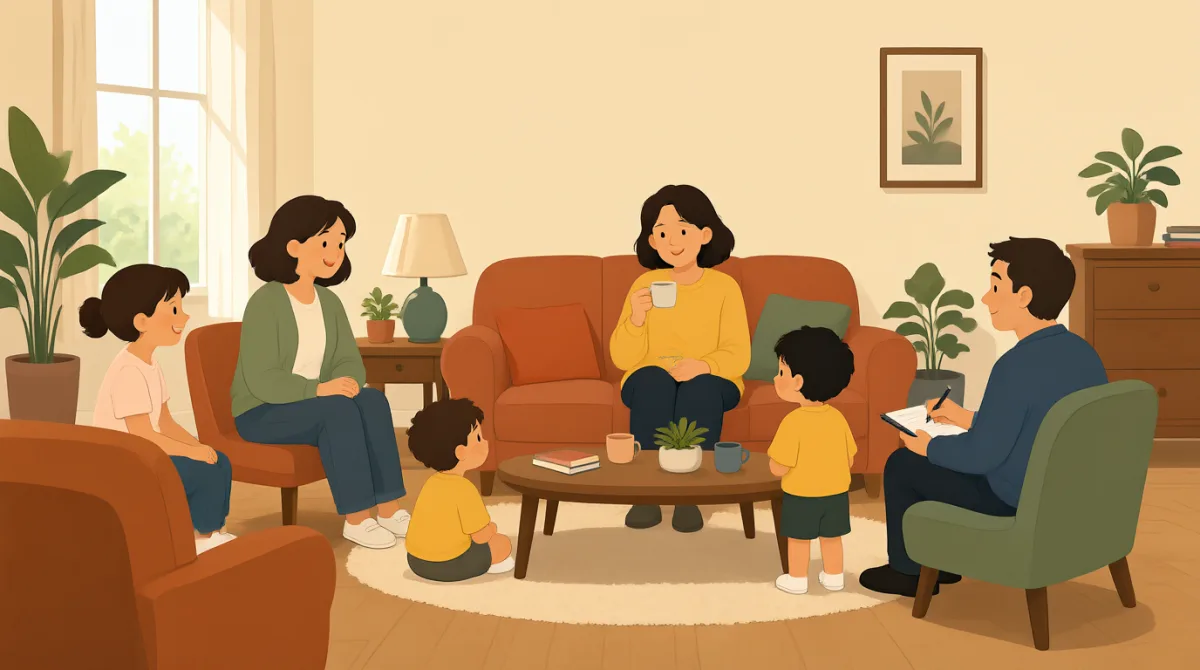

So, we're talking about character trajectories today. Who wants to kick things off regarding Walter White's moral journey?
حسنًا، سنتحدث اليوم عن مسارات تطور الشخصيات. من يريد أن يبدأ الحديث عن الرحلة الأخلاقية لوالتر وايت؟

I think it's a clear case of gradual decay. From mild-mannered teacher to ruthless drug lord, it's a continuous slide. There's no real redemption arc for him, in my opinion.
أعتقد أنها حالة واضحة من التدهور التدريجي. فمن معلّم هادئ الطباع إلى زعيم مخدرات لا يعرف الرحمة، كان انحداره متواصلًا. وبرأيي، لم يمر بأي تحول حقيقي نحو التكفير عن ذنوبه.

I'm not so sure it's *purely* decay. Hear me out. What about that final act where he tries to secure his family's future, even if it's born from his own mess? Doesn't that show a sliver of his original, more selfless intentions?
لست متأكدًا من أن الأمر يقتصر *تمامًا* على التدهور. اسمعوا ما سأقوله. ماذا عن تصرفه الأخير، حين حاول تأمين مستقبل عائلته، حتى وإن كان ذلك نابعًا من الفوضى التي تسبب بها بنفسه؟ ألا يدل هذا على بقايا من نواياه الأولى، التي كانت أكثر إيثارًا؟

That's a good point, Leo. But then again, his methods were so extreme. Could you really call it redemption when he's destroyed so many lives along the way? It feels more like a final, twisted justification rather than true redemption.
هذه وجهة نظر وجيهة يا ليو. لكن من ناحية أخرى، كانت أساليبه متطرفة جدًا. فهل يمكن حقًا أن نعدّ ذلك تكفيرًا عن ذنوبه، بعدما دمّر حياة هذا العدد من الناس؟ يبدو لي أقرب إلى تبرير أخير مشوّه، لا إلى تكفير حقيقي.
I tend to agree with Emma. While his final actions might have a semblance of protecting his family, the sheer scale of the heinous acts he committed beforehand makes any 'redemption' feel incredibly hollow. It's more of a complex mix, but weighted heavily towards decay.
أميل إلى الاتفاق مع إيما. رغم أن أفعاله الأخيرة قد توحي بأنه يحاول حماية عائلته، فإن فظاعة ما ارتكبه من أفعال وحجمها يجعلان أي «تكفير عن الذنوب» يبدو أجوف تمامًا. إنها حالة مركبة، لكن كفة التدهور الأخلاقي ترجح فيها كثيرًا.
Exactly. Think about the scene where he poisoned Brock. That was a line he crossed that forever solidified his villain status for me. There's no coming back from that, no matter what he did later.
بالضبط. فكّروا في المشهد الذي سمّم فيه بروك. لقد تجاوز بذلك حدًا رسّخ مكانته شريرًا في نظري إلى الأبد. لا سبيل إلى التراجع عن ذلك، مهما فعل بعده.
I see your point about Brock, it's a tough one to justify. But how about the very first season? He was desperate, diagnosed with cancer, felt emasculated. It started from a place of fear and perceived necessity, not outright malice. His motivations evolved, yes, but the initial spark wasn't pure evil.
أفهم وجهة نظرك بشأن بروك، ومن الصعب تبرير ذلك. لكن ماذا عن الموسم الأول تحديدًا؟ كان يائسًا، وقد شُخّص بالسرطان وشعر بأن رجولته قد انتُقصت. بدأ الأمر من الخوف والشعور بضرورة القيام بشيء، لا من خبث صريح. صحيح أن دوافعه تطورت، لكن الشر المحض لم يكن الدافع الأول.
That's why it's so compelling, isn't it? It’s not black and white. It’s a compelling descent, where one bad choice leads to another, slowly eroding whatever good was left. So, I'd say his trajectory is a gradual decay, with a few fleeting moments of what *might* have been redemption, but ultimately overshadowed by his villainy.
ولهذا تبدو قصته آسرة إلى هذا الحد، أليس كذلك؟ فالأمر ليس أبيض أو أسود. إنه انحدار آسِر، يقود فيه كل خيار سيئ إلى خيار آخر، إلى أن تتآكل ببطء كل بقايا الخير فيه. لذا أقول إن مساره كان تدهورًا تدريجيًا، تخللته لحظات عابرة كان يمكن أن تشي بتكفيره عن ذنوبه، لكن شره طغى عليها في النهاية.
المفردات8
- trajectoryمسار
A path or course that something takes over time, often used for a character's development in a story.
هو الطريق أو المنحى الذي يسلكه شيء ما مع مرور الوقت، ويُستخدم كثيرًا لوصف تطور شخصية في قصة.
- decayتدهور
A gradual worsening or decline, like moral decay meaning a slow loss of good values.
هو ازدياد سوء الحال أو الانحدار تدريجيًا؛ فالتدهور الأخلاقي يعني فقدان القيم الحميدة ببطء.
- redemptionتكفير عن الذنوب
The act of being saved from wrongdoings or making up for bad actions, often in stories as a character's positive change.
هو الخلاص من الأخطاء أو التعويض عن الأفعال السيئة، وغالبًا ما يشير في القصص إلى تغير إيجابي في الشخصية.
- ruthlessعديم الرحمة
Having no pity or compassion, showing cruelty without hesitation.
يصف من لا يشعر بالشفقة أو التعاطف، ويُظهر قسوة من دون تردد.
- villainشرير
A bad or evil character in a story who opposes the hero.
شخصية سيئة أو شريرة في قصة تقف في مواجهة البطل.
- compellingآسر
Very interesting or convincing, making you want to pay attention or agree.
شيء شديد الإمتاع أو الإقناع، يجعلك ترغب في الانتباه إليه أو الاقتناع به.
- descentانحدار
A downward movement or fall, like a moral descent meaning sliding into bad behavior.
حركة إلى أسفل أو سقوط؛ فالانحدار الأخلاقي يعني التورط تدريجيًا في سلوك سيئ.
- hollowأجوف
Empty or meaningless, lacking real sincerity or value.
يعني فارغًا أو بلا معنى، ويفتقر إلى الإخلاص الحقيقي أو القيمة.
الجمل الأساسية8
- 1
Who wants to kick things off regarding Walter White's moral journey?
من يريد أن يبدأ الحديث عن الرحلة الأخلاقية لوالتر وايت؟
This is a way to start a discussion by inviting someone to begin. Useful in group talks or debates to engage others. 'Kick things off' is an idiomatic expression meaning to start something.
تُستخدم هذه العبارة لبدء نقاش ودعوة أحدهم إلى الكلام أولًا. وهي مفيدة في الحوارات الجماعية أو المناظرات لإشراك الآخرين. التعبير "Kick things off" يعني بدء شيء ما.
- 2
I think it's a clear case of gradual decay.
أعتقد أنها حالة واضحة من التدهور التدريجي.
This expresses a strong opinion on a situation. 'Clear case of' means an obvious example. Useful for stating views in debates, with 'gradual decay' describing slow decline.
تعبّر هذه العبارة عن رأي قوي في موقف ما. وتعني "Clear case of" مثالًا واضحًا. وهي مفيدة للتعبير عن وجهة نظرك في النقاشات، فيما يصف "gradual decay" الانحدار البطيء.
- 3
Hear me out.
اسمعوا ما سأقوله.
A polite request for others to listen to your full idea before responding. Common in discussions to prevent interruptions. It's informal and shows respect.
هذا طلب مهذب من الآخرين أن يستمعوا إلى فكرتك كاملة قبل الرد. وهو شائع في النقاشات لتجنب المقاطعة، كما أنه غير رسمي ويعبّر عن الاحترام.
- 4
That's a good point, but then again, his methods were so extreme.
هذه وجهة نظر وجيهة، لكن من ناحية أخرى، كانت أساليبه متطرفة جدًا.
This acknowledges agreement partially while introducing a counterargument. 'But then again' adds contrast. Useful for balanced debates, showing you considered the other side.
تُظهر هذه العبارة موافقة جزئية، ثم تقدم حجة مضادة. يضيف "But then again" معنى الاستدراك، وهي مفيدة في النقاشات المتوازنة لإظهار أنك أخذت الرأي الآخر في الحسبان.
- 5
I tend to agree with Emma.
أميل إلى الاتفاق مع إيما.
A softer way to show agreement, implying it's your leaning rather than full certainty. 'Tend to' softens statements. Good for polite discussions without strong confrontation.
هذه طريقة ألطف للتعبير عن الموافقة، إذ توحي بأنك تميل إلى هذا الرأي لا أنك متأكد تمامًا. يخفف "Tend to" من حدة العبارة، وهو مناسب للنقاش المهذب من دون مواجهة قوية.
- 6
There's no coming back from that, no matter what he did later.
لا سبيل إلى التراجع عن ذلك، مهما فعل بعده.
This means an action is irreversible, with no way to recover. 'No coming back' is idiomatic for permanent damage. Useful in ethical talks about consequences.
تعني هذه العبارة أن الفعل لا رجعة فيه، ولا توجد طريقة لإصلاح ما حدث. والتعبير "No coming back" يشير إلى ضرر دائم، وهو مفيد في النقاشات الأخلاقية حول العواقب.
- 7
It’s not black and white.
الأمر ليس أبيض أو أسود.
Means something isn't simply good or bad, but complex. 'Black and white' idiom for clear-cut issues. Essential for nuanced discussions like ethics.
تعني هذه العبارة أن الأمر ليس ببساطة خيرًا أو شرًا، بل هو معقد. والتعبير "Black and white" يُستخدم لوصف المسائل الواضحة التي لا تحتمل الالتباس، وهو مهم في النقاشات الدقيقة مثل النقاشات الأخلاقية.
- 8
So, I'd say his trajectory is a gradual decay, with a few fleeting moments of what might have been redemption.
لذا أقول إن مساره كان تدهورًا تدريجيًا، تخللته لحظات عابرة كان يمكن أن تشي بتكفيره عن ذنوبه.
This summarizes an opinion with reasons. 'I'd say' is a casual way to conclude thoughts. Useful for wrapping up arguments, using 'trajectory' for path and 'fleeting' for short-lived.
تلخص هذه العبارة رأيًا وتذكر أسبابه. و"I'd say" طريقة غير رسمية لاختتام الأفكار. وهي مفيدة لتلخيص الحجج؛ إذ تشير كلمة "trajectory" إلى المسار، وتعني "fleeting" قصير الأمد.